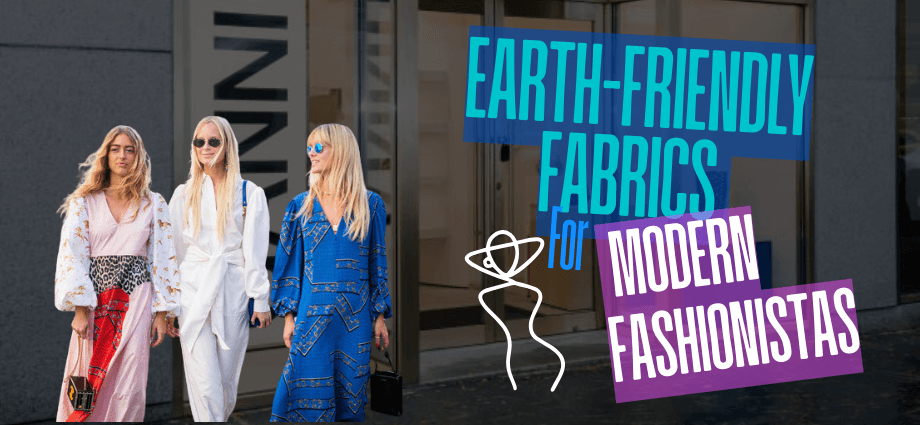
Fashion is changing, and so are the materials used to create it. Ganni, a popular Danish fashion brand, is making waves by combining modern, stylish designs with sustainable fabrics. With a growing focus on eco-friendly practices, Ganni is proving that fashion can be both stylish and kind to the planet. This article explores how Ganni uses earth-friendly fabrics, the benefits of these materials, and how they balance sustainability with chic designs.
The Importance of Sustainable Fashion
Sustainable fashion is now at the forefront of the fashion industry. As people become more aware of the environmental effects of fast fashion, brands like Ganni are taking steps to change how they produce clothes. The fashion industry is one of the largest polluters in the world, but sustainable fashion can help reduce waste, water usage, and harmful chemicals.
Environmental Impact of Fashion
The traditional fashion industry leaves a significant environmental footprint. It contributes to pollution, waste, and overuse of natural resources.
- Textile waste: Millions of tons of clothing are discarded each year, adding to landfills.
- Water usage: Conventional cotton production consumes vast amounts of water.
- Chemical pollution: Fabrics often contain harmful chemicals that pollute the environment.
By using sustainable fabrics, brands like Ganni aim to reduce these negative impacts.
Ganni’s Approach to Sustainability
Ganni has taken a proactive approach to sustainability, aiming to reduce its environmental impact while maintaining its stylish edge. The brand is committed to sourcing materials responsibly, using eco-friendly fabrics, and promoting sustainable production methods.
- Sustainable sourcing: Ganni works to ensure materials are responsibly sourced.
- Recycled materials: The brand uses recycled fabrics to minimize waste.
- Transparency: Ganni openly shares its sustainability practices with customers.
Ganni is setting an example for other fashion brands by prioritizing eco-consciousness alongside style.
Ganni’s Earth-Friendly Fabric Choices
Ganni is known for using earth-friendly fabrics in its collections. These materials not only have a smaller environmental footprint but also maintain the brand’s signature style. Key fabrics used by Ganni include recycled materials, organic cotton, linen, and more.
Recycled Materials
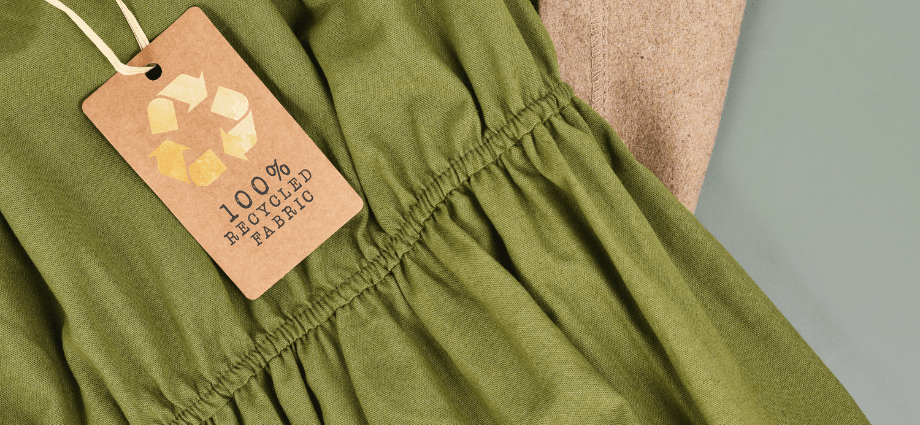
Using recycled fabrics is one of the most effective ways to reduce waste. Ganni incorporates recycled polyester and nylon in its collections to give plastic waste new life as stylish clothing.
- Recycled polyester: Made from plastic bottles, this fabric reduces the need for virgin polyester.
- Recycled nylon: Often sourced from discarded fishing nets, recycled nylon helps reduce ocean pollution.
- Waste reduction: Using recycled materials reduces the amount of waste sent to landfills.
Recycled fabrics are a key part of Ganni’s efforts to make fashion more sustainable.
Organic Cotton and Linen
Ganni also uses organic cotton and linen, both of which have a lower environmental impact than conventional fabrics. Organic cotton is grown without pesticides, and linen, made from flax, requires less water to produce.
- Organic cotton: This cotton is grown without harmful pesticides, conserving water and soil health.
- Linen: Made from the flax plant, linen is durable, biodegradable, and requires fewer chemicals to grow.
- Sustainable farming: Both materials are produced with farming methods that reduce their environmental footprint.
These fabrics are not only better for the planet but also offer durability and comfort.
Innovative Fabrics: Tencel and Hemp
Ganni is also experimenting with innovative plant-based fabrics like Tencel and hemp. These materials are both sustainable and versatile, offering eco-friendly alternatives to traditional textiles.
- Tencel: Made from sustainably sourced wood pulp, Tencel is biodegradable and produced using an eco-friendly process.
- Hemp: Hemp grows quickly with minimal water and no pesticides, making it an environmentally friendly fabric.
- Biodegradable: Both Tencel and hemp decompose naturally, unlike synthetic materials.
Ganni’s use of these materials shows that sustainability can be fashionable and innovative.
How Ganni Balances Style and Sustainability
Ganni has shown that it’s possible to combine eco-friendly fabrics with modern, stylish designs. Many sustainable fabrics have historically been seen as less fashionable, but Ganni proves that sustainability doesn’t mean sacrificing style.
Fashion Meets Responsibility
Ganni combines sustainability with cutting-edge trends. The brand’s designs are chic and trendy, making it easy for customers to dress stylishly while supporting eco-conscious practices.
- On-trend designs: Ganni keeps its collections fresh and fashionable, ensuring sustainability doesn’t mean compromising style.
- Quality over quantity: The brand focuses on making durable clothing that will last longer, reducing the need for frequent replacements.
- Eco-friendly fashion: Ganni ensures its clothing meets high environmental standards without sacrificing style.
Ganni’s designs reflect the idea that sustainability and style can go hand in hand.
How Consumers Can Support Sustainable Fashion
Consumers can play an important role in supporting sustainable fashion by making informed purchasing decisions. By choosing brands like Ganni, which prioritize eco-friendly materials, individuals can help reduce the fashion industry’s environmental impact.
Making Conscious Buying Decisions
One of the most powerful ways to support sustainability is to buy thoughtfully. Choosing high-quality, long-lasting pieces over cheap, fast fashion helps reduce waste and encourages more sustainable practices in the industry.
- Research brands: Look for companies that prioritize sustainability.
- Invest in quality: Focus on buying durable items that won’t need replacing often.
- Support ethical practices: Choose brands that are transparent about their materials and production methods.
By making more conscious choices, consumers can help create a more sustainable fashion industry.
Second-Hand and Upcycling
Buying second-hand clothing or repurposing old garments is another great way to support sustainability. Second-hand fashion helps reduce textile waste, and upcycling gives clothes a new life.
- Second-hand shopping: Purchasing second-hand clothing reduces the demand for new garments.
- Upcycle clothes: Repurpose old clothes into something new to avoid sending them to landfills.
- Circular fashion: Participate in clothing swaps or recycling programs to keep clothes in circulation.
These small steps contribute to a more sustainable fashion ecosystem.
Conclusion: Ganni’s Role in Shaping Sustainable Fashion
Ganni’s commitment to using earth-friendly fabrics is setting a new standard in the fashion industry. The brand’s ability to combine sustainability with stylish designs proves that fashion can be both trendy and eco-conscious. As sustainability becomes a top priority for consumers, Ganni is leading the charge in making fashion better for the planet. The future of fashion is green, and Ganni is paving the way for a more sustainable, stylish world.