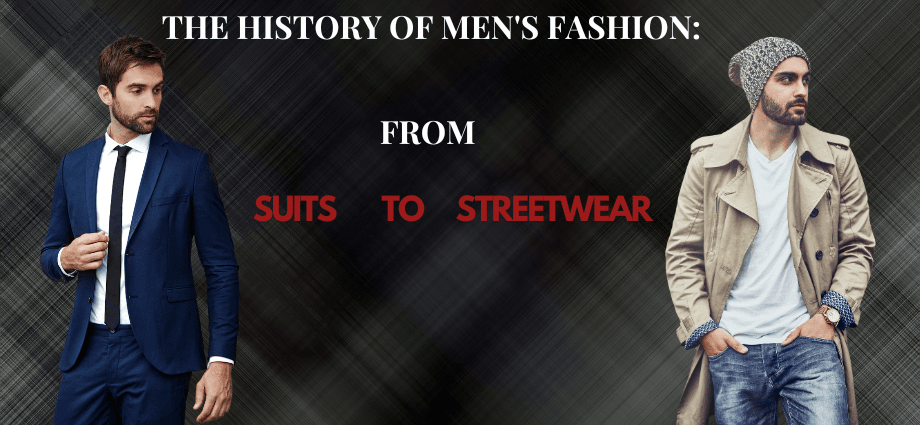
Fashion has always played an important role in shaping the way people express themselves. Men’s fashion, in particular, has gone through many phases, evolving from the formal suits of past centuries to today’s casual streetwear trends. This article will explore the history of men’s fashion, tracing its journey from traditional suiting to the rise of modern streetwear.
The Evolution of Men’s Fashion
The history of men’s fashion is rich and complex, shaped by various social, cultural, and technological factors over the centuries. It reflects changes in society, class structure, and even advances in fabric production and tailoring.
Early Fashion Influences
In ancient civilizations, men’s clothing often symbolized status, with different layers and accessories to denote rank. Greek and Roman men wore tunics, while Egyptian men adorned themselves with linen and jewelry to show their wealth. In medieval Europe, knights wore armor, and commoners dressed in simple tunics and cloaks. During the Renaissance, men’s fashion became more elaborate, with intricate fabrics, lace, and ruffles becoming popular.
Industrial Revolution’s Impact on Men’s Clothing
The Industrial Revolution in the 18th and 19th centuries had a significant effect on men’s fashion. Mass production allowed clothing to be made in larger quantities, making it more accessible to a broader range of people. This period also saw the rise of ready-to-wear clothing, a trend that would continue to shape men’s fashion for generations. The ability to purchase affordable, mass-produced clothing made it easier for men to dress well without the need for a tailor.
The Rise of the Suit

The suit has long been a symbol of masculinity, sophistication, and professionalism. It evolved through the centuries to become the cornerstone of modern men’s wardrobes.
The Birth of the Modern Suit
The tailored suit as we know it today first began to take shape in the 19th century, largely due to the influence of figures like Beau Brummell, who revolutionized men’s fashion by promoting the idea of understated elegance. Brummell’s focus on fit, simplicity, and cleanliness marked the beginning of the modern suit. In the mid-1800s, suits became more structured, with slim, tailored lines replacing the loose, flowing garments of earlier periods.
Suits in the 20th Century
By the 20th century, the suit became a symbol of status and professionalism. In the early years, men’s suits were conservative and formal, often associated with the upper class and business professionals. However, after World War II, the suit took on a more relaxed yet still stylish form, with softer fabrics and looser fits. The post-war period saw the suit evolve into a more versatile garment that could be worn in various settings, from business meetings to social events.
Fashion in the Post-War Era
The mid-20th century marked a turning point in men’s fashion. The end of World War II ushered in a period of rapid change, with new influences and cultural movements shaping how men dressed.
The 1950s and 1960s: The Golden Age of Men’s Style
The 1950s and 1960s are often considered the golden age of men’s fashion. This era was marked by the influence of movie stars and musicians, who set new trends for casual and formal wear. Icons like James Dean, Marlon Brando, and Elvis Presley made the leather jacket and slim jeans popular for young men. At the same time, the traditional suit remained popular for more formal settings, with designers like Yves Saint Laurent leading the charge in redefining modern tailoring.
- The leather jacket became an iconic piece of men’s fashion.
- Slim jeans and T-shirts became symbols of youthful rebellion.
- Suits were worn with a more relaxed fit compared to previous decades.
The 1970s and 1980s: Bold Fashion Statements
The 1970s and 1980s were marked by bold and experimental fashion choices. Men embraced colorful, daring styles, with bell-bottom pants, oversized suits, and flashy fabrics like polyester. This era also saw the rise of street fashion, as urban youth began to influence mainstream trends. Hip-hop culture began to play a crucial role in shaping fashion, with artists and fans wearing baggy pants, tracksuits, and large, eye-catching accessories.
- Bell-bottom pants and polyester suits dominated the 1970s.
- Bright, neon colors became popular in the 1980s.
- Hip-hop culture introduced urban fashion trends to the mainstream.
The Rise of Streetwear
In recent decades, streetwear has emerged as one of the most influential movements in men’s fashion. It has its roots in subcultures like skateboarding, hip-hop, and punk, and continues to shape the industry today.
Hip-Hop Culture and Street Fashion
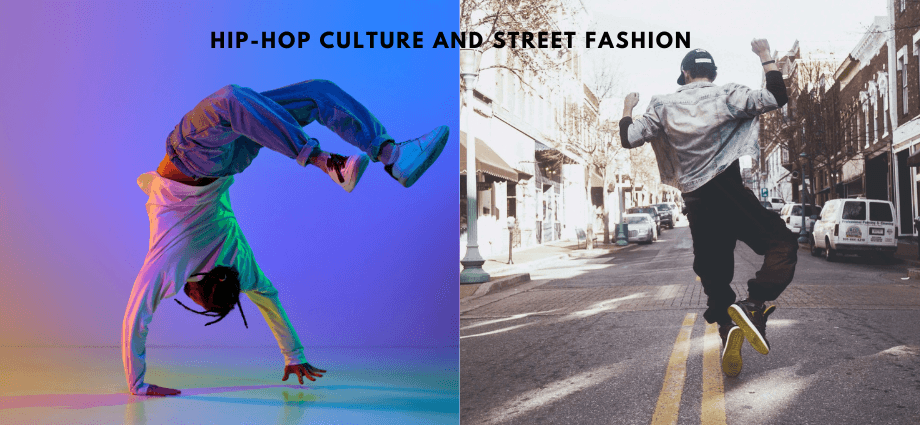
The rise of hip-hop culture in the 1980s and 1990s was instrumental in the development of streetwear. Hip-hop artists like Run-D.M.C. and N.W.A. were often seen wearing sportswear, sneakers, and oversized clothing, which resonated with young people looking for a style that was both casual and rebellious. Skate culture also played a part, with brands like Vans and Stüssy bringing street fashion to the forefront.
- Hip-hop artists popularized sportswear and oversized clothing.
- Skate brands like Vans and Stüssy helped shape street fashion.
- Sneakers became a key component of streetwear culture.
The Evolution of Streetwear in the 21st Century
Streetwear has grown from a niche subculture to a global fashion phenomenon. In the 2000s, luxury brands began collaborating with streetwear designers, and high-end sneakers became a must-have item for fashion enthusiasts. Streetwear is now seen on the runways of major fashion houses, with collaborations between brands like Supreme and Louis Vuitton showcasing its mainstream appeal.
- Streetwear became more mainstream in the 2000s.
- Luxury brands began collaborating with streetwear designers.
- Sneakers became a symbol of status and exclusivity.
Modern Men’s Fashion: A Mix of Tradition and Innovation
Today’s men’s fashion is a blend of traditional styles and modern innovations. The influence of both the classic suit and the boldness of streetwear can be seen in contemporary fashion.
The Role of Social Media in Fashion Trends
Social media has played a crucial role in shaping modern men’s fashion. Platforms like Instagram and TikTok allow fashion influencers to share their personal styles with a global audience, sparking new trends and making them accessible to a wider audience. Social media also enables young people to experiment with fashion and express their individuality through clothing.
Sustainable Fashion and Its Importance Today
As awareness of environmental issues grows, sustainable fashion has become more important than ever. Many brands are now focusing on eco-friendly fabrics and ethical production methods. Men’s fashion is evolving to meet the demand for sustainability, with consumers increasingly seeking clothing that is both stylish and environmentally conscious.
Conclusion
The history of men’s fashion reflects both the changing dynamics of society and the growing diversity of personal expression. From the formal suits of the past to the streetwear of today, fashion continues to evolve, combining tradition with innovation. It is likely that men’s fashion will keep adapting, influenced by new trends, cultural movements, and sustainability initiatives.