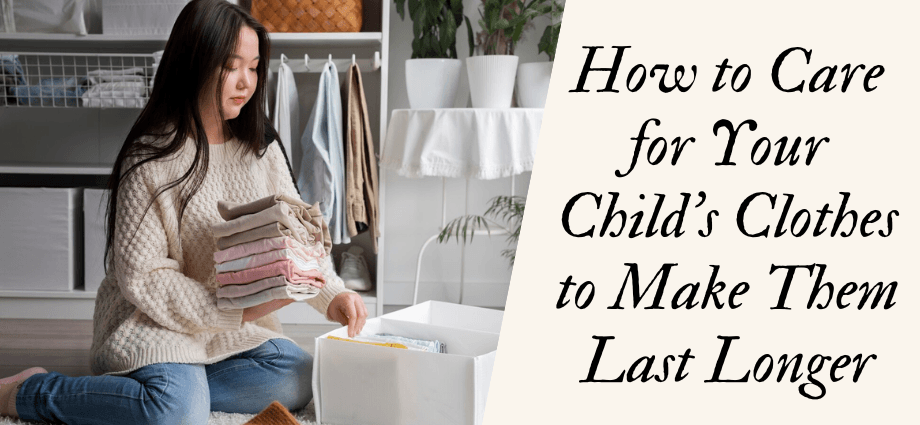
Taking care of your child’s clothes is not just about keeping them clean but also about making them last longer. Children grow quickly, and their clothes can wear out faster if not properly maintained. By following a few simple guidelines for fabric care, washing, drying, and storing, you can extend the life of their clothes and save money in the long run.
Understanding the Right Fabric Care
To make your child’s clothes last longer, it’s important to know the fabric types and how to care for them.
Know the Fabric Types
Children’s clothing is made from various fabrics, each of which requires different care. Cotton is common for everyday wear because it’s comfortable and durable, but it can shrink in the dryer. Wool is soft and warm but must be washed gently to prevent shrinking and shape loss. Polyester, on the other hand, is more resistant to wrinkles and shrinking but can trap odors. Understanding the fabric type helps you choose the correct washing method and prevent damage.
Read the Care Labels
Always check the care labels on your child’s clothes before washing. These labels provide important instructions about how to handle the garment. For example, some clothes may require hand washing, while others are machine washable. If the label says “dry clean only,” it’s crucial to follow that to avoid damage. Ignoring care instructions could lead to clothes losing their shape, color, or softness.
Wash Clothes at the Right Temperature
Washing clothes at the right temperature is key to preserving their condition. Cold water works best for dark colors and delicate fabrics, as it prevents fading and shrinking. Warm water is good for cotton and other sturdy fabrics. Hot water should only be used for heavily soiled clothes or certain types of fabric, as it can cause shrinking or damage to more delicate items.
Washing and Drying Best Practices
Proper washing and drying techniques can make a significant difference in how long your child’s clothes last.
Sort Clothes Before Washing
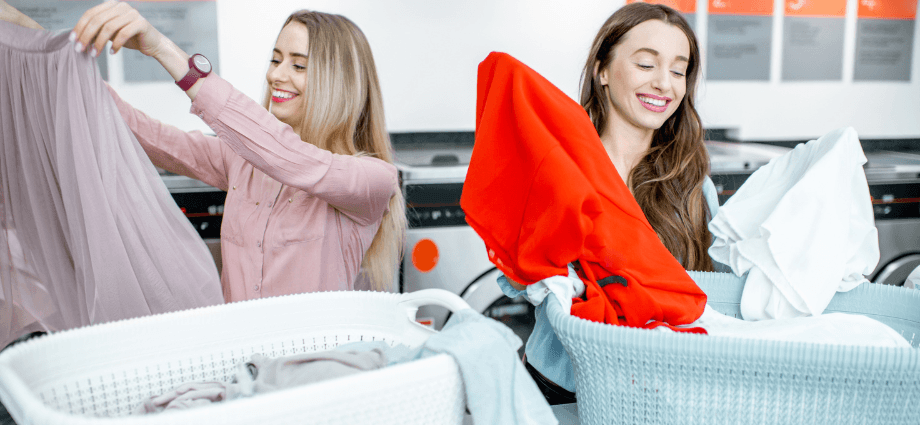
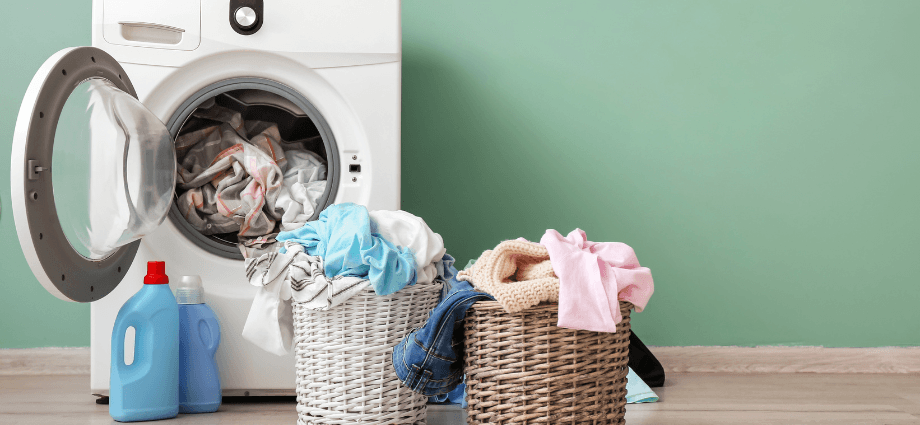
Before you load the washing machine, sort the clothes by color, fabric type, and dirtiness. Dark colors should always be washed separately from light ones to prevent color transfer. Mixing fabrics like heavy towels with lighter shirts can cause the more delicate items to wear out faster. Clothes that are heavily soiled should be washed separately to avoid spreading dirt to cleaner items.
Use Gentle Detergents
Harsh detergents can be rough on both fabric and your child’s skin. Opt for a gentle, non-toxic detergent that’s free of harsh chemicals, fragrances, or dyes. These milder detergents are kinder to delicate fabrics and won’t cause irritation to sensitive skin. They are also better for maintaining the softness and color of the clothes.
Drying Clothes Properly
Drying your child’s clothes correctly is crucial to maintaining their shape and size. Air drying is the gentlest option and helps prevent shrinkage and fading. If you use a dryer, make sure to select the lowest heat setting to avoid damaging the fabric. Over-drying clothes can weaken the fibers, making them wear out more quickly. Always check clothes before taking them out of the dryer to ensure they aren’t over-dried.
Stain Removal Techniques
Kids are always getting messy, so knowing how to deal with stains is essential to extending the life of their clothes.
Act Quickly
The faster you act on a stain, the better the chance of removing it completely. Rinse the stained area with cold water immediately to prevent the stain from setting in. Applying a stain remover or a small amount of detergent to the stain and letting it sit for a few minutes before washing can help break it down. The quicker you treat a stain, the less likely it is to leave a permanent mark.
Use Natural Stain Removers
Instead of using harsh chemical stain removers, you can try natural alternatives. Baking soda works well on food stains and can help eliminate odors. Vinegar is effective for removing grease stains and brightening clothes. Lemon juice can be used for sweat stains, as its acidity helps break down the oils. These natural products are safer for both your child’s skin and the environment, making them a great option for families.
Avoid Scrubbing
While it may be tempting to scrub a stain aggressively, this can damage the fabric. Instead, gently blot or rub the stain with a clean cloth. This helps lift the stain without stressing the fabric. Scrubbing can weaken fibers, causing them to break down and making the stain more difficult to remove.
Storing Clothes the Right Way
Proper storage is just as important as washing and drying in ensuring your child’s clothes last longer.
Organize by Season
Organizing clothes by season is an effective way to keep them in good condition. Store out-of-season clothes in bins or vacuum-sealed bags to protect them from dust, dirt, and pests. When storing heavier winter items, fold them neatly to save space and prevent wrinkles. For lighter clothing, hang items like dresses or shirts to maintain their shape. When the next season arrives, rotate the clothes to keep everything accessible and fresh.
Use Proper Storage Materials
When storing clothes, make sure to use the right materials. Breathable fabric bins or garment bags are ideal for keeping clothes safe and allowing air circulation. Avoid plastic bags, which can trap moisture and lead to mold or mildew. Drawer dividers can help keep smaller items organized, preventing them from getting wrinkled or lost.
Keep Clothes Away from Pests
Pests like moths can damage clothes, especially wool and other natural fibers. To prevent pest infestations, store clothes in sealed bags or containers. Natural repellents, such as lavender, cedar, or rosemary, can be placed in drawers or storage areas to keep pests away. Regularly cleaning your child’s closet or storage space will also help keep bugs at bay.
Avoiding Common Mistakes
Even with the best care, there are a few common mistakes that can shorten the life of your child’s clothes. Avoiding these can help keep their clothes looking good for longer.
Over-Washing Clothes
Washing clothes too frequently can cause fabrics to lose their quality quickly. It’s best to only wash clothes when they are visibly dirty or when they have an odor. If the clothes are not heavily soiled, consider spot cleaning instead. This reduces the wear and tear on the fabric and prevents it from fading or shrinking too soon.
Using Too Much Detergent
Using too much detergent may seem like it will clean clothes better, but it can actually cause fabric to become stiff and leave residue. It can also lead to soap build-up in the washing machine, which can eventually affect the machine’s performance. Always measure out the recommended amount of detergent for each load to avoid these issues.
Not Repairing Damaged Clothes
Small tears or loose buttons may seem minor, but if left unattended, they can cause more damage. Take the time to mend small rips or sew on loose buttons right away. This will prevent further damage and help keep clothes wearable for longer. Regular maintenance helps extend the life of garments and prevents costly replacements.
Conclusion
Taking care of your child’s clothes is an investment in both their wardrobe and your wallet. By understanding fabric care, washing and drying clothes properly, treating stains quickly, and storing them correctly, you can make their clothes last longer. Avoiding common mistakes, such as over-washing or using too much detergent, also helps preserve the condition of their clothes. By following these simple tips, you’ll save money and reduce waste, while ensuring your child always has well-maintained, comfortable clothing.