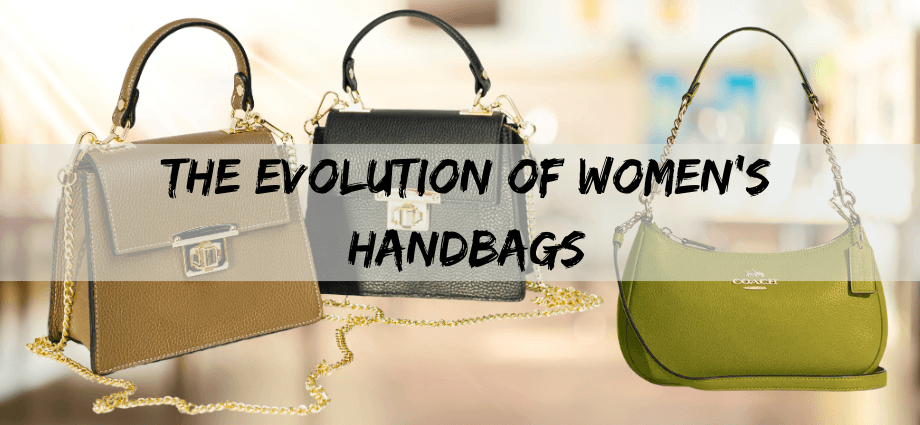
Handbags have long been a part of women’s fashion, combining practicality with personal expression. From humble beginnings to iconic designer pieces, handbags have evolved to reflect changing times and trends. This article explores their journey, focusing on the influence of brands like Chanel and Coach.
The Early Days of Women’s Handbags
Women’s handbags started as practical accessories but gradually evolved into symbols of fashion and status.

Function Over Fashion in the 18th and 19th Centuries
In the 18th and 19th centuries, handbags were simple and functional. Women carried small pouches known as reticules, which were used to hold essential items like coins, handkerchiefs, or keys. These bags were often made of soft fabrics and tied with drawstrings.
As industrialization advanced, women’s handbags began to reflect their personal style. While practicality remained key, designs became more intricate to suit social settings.
The Rise of Decorative Elements
With the advent of industrialization, handbag designs saw a significant shift. Aristocratic women embraced bags adorned with embroidery, beads, and lace. These decorative touches reflected wealth and refinement, turning handbags into more than just functional accessories.
Chanel: The Revolution in Handbag Design
The evolution of handbags took a revolutionary turn with Chanel, a brand synonymous with elegance and innovation.
The Birth of the Iconic 2.55 Bag
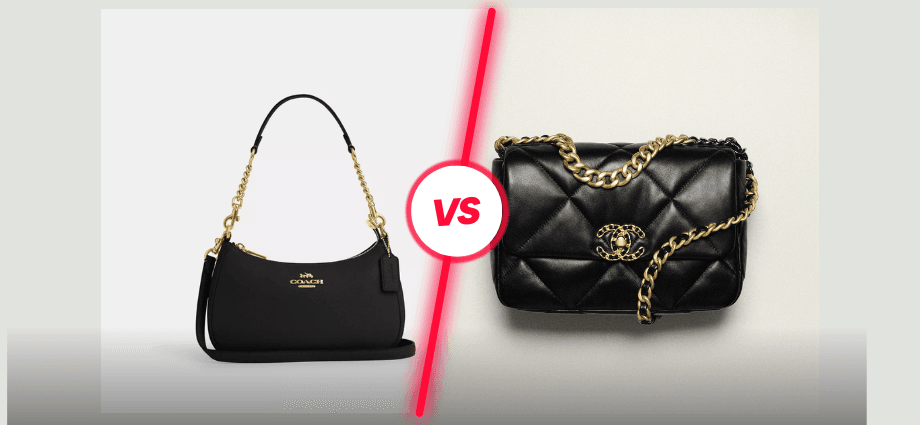
In 1955, Gabrielle “Coco” Chanel introduced the 2.55 bag, a design that forever changed handbag fashion. Featuring quilted leather, a sleek rectangular shape, and a chain strap, it was both functional and stylish. The chain strap allowed women to carry the bag hands-free, a novel idea at the time.
Breaking the Mold with Timeless Design
Chanel’s 2.55 bag was a departure from the heavily decorated bags of the past. Its minimalist design exuded sophistication, appealing to women seeking understated luxury. To this day, the 2.55 remains a symbol of timeless elegance and continues to influence handbag design worldwide.
Coach: A Modern American Classic
Coach brought a different perspective to handbag fashion, focusing on durability and accessible luxury.
Roots in Leather Craftsmanship
Founded in New York in 1941, Coach began as a family-run business specializing in leather goods. Its artisans developed high-quality leather bags known for their durability and functionality. The brand’s emphasis on craftsmanship set it apart in the competitive market.
Transition to Iconic Fashion Brand
By the mid-20th century, Coach transformed into an iconic fashion brand. Its designs, such as the Saddle Bag and later the Tabby Bag, became must-have accessories for fashion-conscious women. Coach combined practicality with style, appealing to a broad audience.
The Influence of Cultural Shifts on Handbag Styles
As society evolved, so did handbag styles, reflecting changes in culture, technology, and consumer preferences.
Handbags as Status Symbols
In the mid-20th century, handbags became symbols of wealth and status. Luxury brands like Chanel and Coach catered to this demand by producing premium designs that conveyed sophistication and success.
- Materials: Leather, exotic skins, and metals became popular choices.
- Designs: Iconic styles like the Chanel 2.55 and Coach Saddle Bag epitomized elegance.
- Accessibility: Designer bags became a mark of upward mobility for many women.
Modern Trends in Handbags
Today’s handbags reflect modern lifestyles and values. Mini bags, crossbody bags, and tote bags have gained popularity for their versatility.
- Sustainability is now a key trend, with brands incorporating recycled materials.
- Gender-neutral designs are breaking traditional barriers in fashion.
- Tech-friendly bags with compartments for gadgets cater to modern needs.
Practical Features of Modern Handbags
Handbags today combine functionality with cutting-edge design to meet contemporary demands. Here are some practical features seen in modern bags:
- Convertible Straps: Adjustable straps that allow bags to be worn as crossbody, shoulder, or handheld styles.
- Multiple Compartments: Interior pockets to organize essentials like phones, wallets, and keys.
- Sustainable Materials: Eco-friendly fabrics and vegan leather appeal to conscious consumers.
These features ensure that handbags remain practical while staying fashionable and relevant.
Conclusion: The Enduring Legacy of Women’s Handbags
The journey of women’s handbags reflects a rich history of innovation and cultural influence. From the practical reticules of the 18th century to the luxury designs of Chanel and Coach, handbags have continuously adapted to societal trends.
Today, they remain more than just accessories—they are personal statements, symbols of status, and reflections of evolving lifestyles. As fashion continues to evolve, the legacy of women’s handbags endures, blending tradition with modernity.