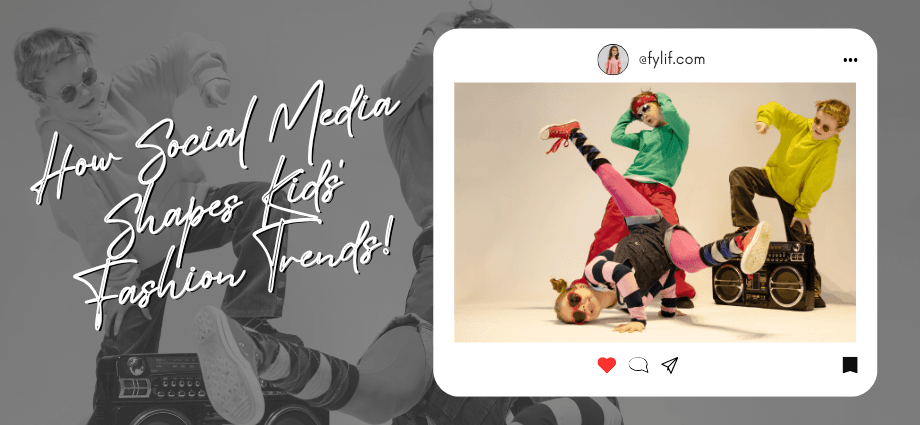
Social media has become a central part of modern life, especially for children and teenagers. Platforms like Instagram, TikTok, and Snapchat are not just spaces for communication but also hubs for creativity and self-expression. These platforms heavily influence how young users perceive and engage with the world around them, including their choices in fashion.
Children are constantly exposed to images and videos that showcase the latest trends, often promoted by influencers, celebrities, and their peers. This exposure shapes their preferences, impacts their self-esteem, and even affects their social interactions. Understanding this phenomenon is crucial for parents, educators, and brands alike to ensure children navigate these influences positively and responsibly.
How Social Media Shapes Children’s Fashion Preferences
Social media plays a significant role in defining what children find fashionable. The combination of influencers, trends, and peer pressure creates a strong impact on their wardrobe choices.
Exposure to Trends and Influencers
Social media influencers are trendsetters who guide fashion preferences for millions of followers, including children. They showcase outfits, styles, and even lifestyle choices that children aspire to replicate.
Children often admire influencers for their charisma and popularity, which drives them to mimic their fashion choices. Trends spread rapidly across platforms, creating a ripple effect where certain looks or brands dominate.
- Influencers use their platforms to promote specific brands, making these items appear more desirable.
- Social media allows users to discover new and bold fashion trends that wouldn’t reach them otherwise.
- Viral challenges or “style hauls” encourage children to participate in fashion-driven activities.
Peer Influence on Social Platforms
The impact of peers on social media is just as strong as that of influencers. When children see their friends sharing photos of trendy outfits, it creates pressure to conform.
Social media also serves as a stage where children compare themselves to their peers. This comparison often drives them to adopt similar fashion styles, whether for validation or to feel socially included.
- Children may feel the need to dress in ways that align with what’s popular among their friends.
- Peer pressure through likes, comments, or direct messages can influence children’s style decisions.
Positive Impacts of Social Media on Children’s Fashion
While there are challenges, social media also has a positive side that encourages growth and self-expression in fashion.
Encouraging Creativity and Self-Expression
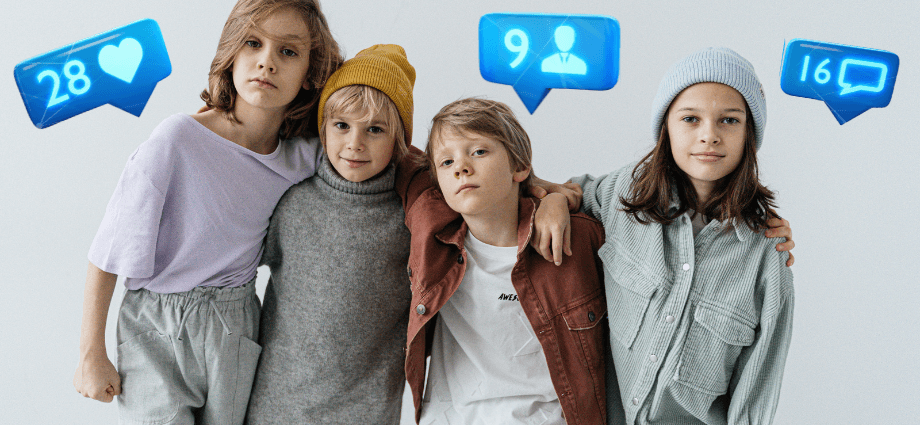
Social media fosters creativity by exposing children to a variety of styles and ideas. Many children use these platforms as outlets for showcasing their personal style, mixing and matching trends to create unique looks.
Experimenting with fashion helps children build confidence in their identity. Sharing their outfits and receiving feedback, like compliments and likes, reinforces their individuality.
Access to Diverse Fashion Styles
Another benefit of social media is its ability to introduce children to global fashion trends. They can explore cultural attire, sustainable fashion ideas, and ethical clothing choices through creators from all over the world.
- Children learn about traditional clothing from other cultures, broadening their understanding of global diversity.
- Social media highlights sustainable and ethical fashion, teaching children about mindful shopping.
- Exposure to various styles can inspire children to think beyond mainstream trends.
This diversity not only enriches their understanding of fashion but also promotes inclusivity and acceptance.
Negative Impacts of Social Media on Children’s Fashion
Despite its positives, social media poses challenges that can negatively affect children’s perception of fashion and self-worth.
Unrealistic Standards and Body Image Issues
Social media often presents an idealized version of reality, including unattainable beauty and fashion standards. This can create insecurities, especially for impressionable children.
Edited and filtered photos on social media lead children to believe that perfection is the norm. When they fail to meet these standards, it can harm their self-esteem.
- Images showcasing unrealistic body types may lead to body dissatisfaction.
- Children might feel pressured to wear outfits that are impractical or uncomfortable just to fit in.
- The desire to look perfect can overshadow the joy of self-expression.
Materialism and Over-Commercialization
Social media also promotes a consumerist mindset. Sponsored posts, advertisements, and brand endorsements often prioritize expensive, branded clothing. This can lead children to associate their worth with what they own, rather than who they are.
- Children may feel left out if they cannot afford trendy clothing.
- Constant exposure to advertisements pushes them to buy more than necessary.
- Overemphasis on brands might discourage individuality and practicality in fashion.
Parental Role in Navigating Social Media’s Impact
Parents have a significant role in guiding children through the influences of social media, ensuring it becomes a tool for growth rather than a source of pressure.
Teaching Critical Thinking
Helping children develop critical thinking skills can empower them to make better decisions about their fashion choices.
Parents can encourage children to question the content they see:
- Is this image real, or is it edited?
- Do I genuinely like this style, or am I just following the crowd?
- Does this align with my personal comfort and preferences?
By fostering this mindset, parents can help children balance their individuality with external influences.
Monitoring Social Media Usage
Monitoring children’s social media activity ensures they consume appropriate and constructive content. Setting clear boundaries around usage can help children maintain a healthy balance between online and offline life.
- Set screen time limits to reduce overexposure.
- Encourage children to follow accounts that promote positivity and inclusivity.
- Discuss what they see on social media and how it affects their choices.
Open communication allows parents to address any concerns and provide guidance when needed.
Practical Tips for Parents
Here are some actionable tips for parents to help children manage social media’s impact on their fashion choices:
- Encourage Budgeting: Teach children the value of budgeting for clothes instead of splurging on every trend.
- Promote Sustainable Fashion: Introduce children to second-hand shopping and environmentally friendly brands.
- Lead by Example: Demonstrate a balanced approach to fashion and self-expression in your own life.
- Foster Offline Activities: Encourage hobbies and interests outside of social media to reduce dependency on online trends.
Conclusion
Social media has revolutionized the way children engage with fashion, offering both opportunities and challenges. On one side, it inspires creativity, self-expression, and an appreciation for cultural diversity. On the other, it can foster unrealistic beauty standards, materialism, and peer pressure.
By fostering critical thinking and monitoring their social media use, parents can help children strike a balance. When guided effectively, children can enjoy the positive aspects of social media while staying true to their individuality and values.