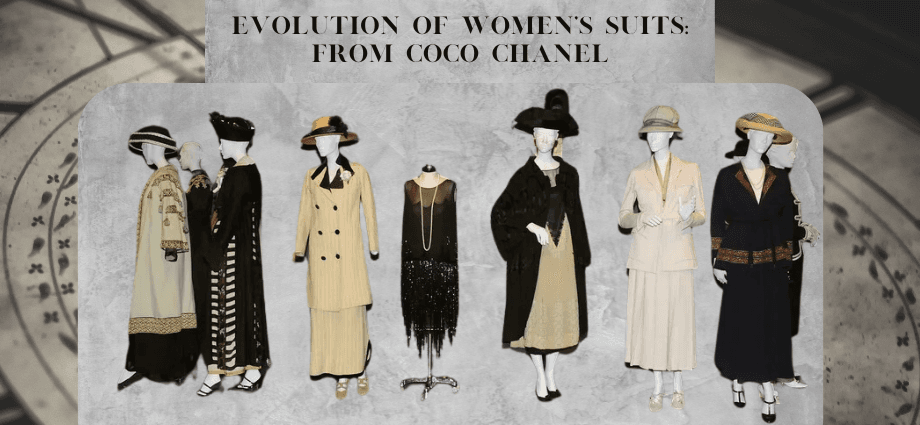
The Timelessness of Women’s Suits
Women’s suits have evolved into a timeless and powerful symbol of style and empowerment. From their early origins as practical garments to their current status as versatile fashion staples, suits have redefined women’s roles in society and fashion. This transformation began with Coco Chanel, whose innovative designs in the 20th century challenged the norms of her time. Today, women’s suits continue to reflect changing cultural and societal values while remaining relevant in modern fashion.
Coco Chanel and the Birth of the Modern Women’s Suit
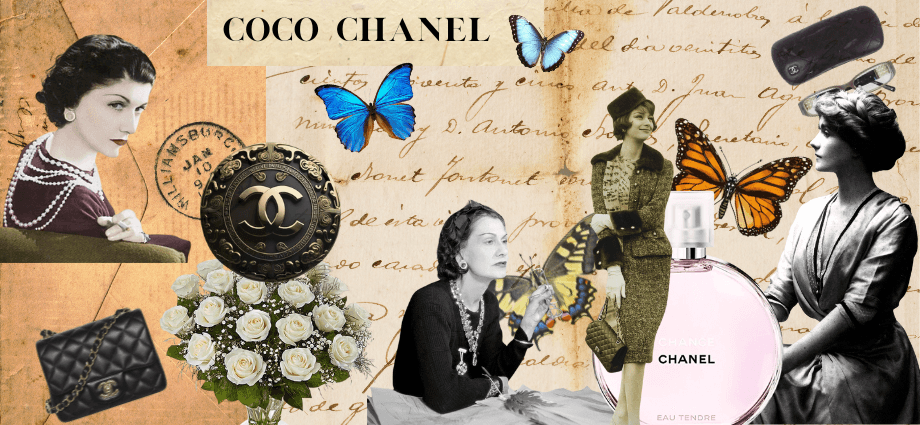
Coco Chanel revolutionized women’s fashion by introducing suits that prioritized both practicality and elegance. Her designs marked the beginning of a new era in women’s clothing.
Breaking Free from Restrictive Fashion
In the early 20th century, women’s fashion was dominated by restrictive corsets and cumbersome skirts. Clothing was designed to emphasize femininity but often came at the cost of comfort and mobility. Chanel sought to change this by creating garments that allowed women to move freely while maintaining sophistication.
The First Women’s Suit by Chanel
Chanel’s first suit, introduced in the 1920s, featured a structured yet comfortable design. It was made of tweed fabric, which was unconventional for women’s fashion at the time. The suit’s straight lines, relaxed fit, and minimal embellishments were revolutionary. It symbolized a departure from the overly feminine styles of the past, offering women an outfit that was both stylish and practical.
Women’s Suits in the Mid-20th Century: From Feminine to Powerful
The mid-20th century saw women’s suits evolve to reflect societal changes. From soft, feminine styles to bold power suits, each decade brought new interpretations.
The Post-War Era and Feminine Styles
In the 1940s and 1950s, women’s suits featured hourglass silhouettes and soft tailoring. These designs emphasized elegance and femininity while maintaining structure. Christian Dior’s “New Look” played a significant role during this period, introducing suits with cinched waists and full skirts. These outfits embodied a mix of practicality and glamour, suitable for both professional and social settings.
The Rise of Power Suits in the 1970s and 1980s
As women entered corporate spaces in larger numbers, the 1970s and 1980s saw the emergence of the “power suit.” Designers like Yves Saint Laurent popularized bold, structured suits that conveyed authority and professionalism. Key features of power suits included:
- Broad shoulder pads to emphasize strength.
- Strong, angular tailoring.
- Neutral and bold colors, such as black, navy, and red.
These suits became symbols of ambition and independence, aligning with the feminist movement of the era.
Modern Women’s Suits: Redefining Style and Purpose
Today’s women’s suits embrace diversity in design and functionality. They cater to a wide range of preferences and occasions, making them versatile wardrobe essentials.
Diversity in Design
Modern suits are no longer confined to rigid styles. Designers have reimagined suits to include:
- Oversized blazers and relaxed fits for casual settings.
- Slim-cut suits for a polished and modern look.
- Vibrant patterns and bold colors to express individuality.
Sustainability has also become a focus, with many brands using eco-friendly fabrics and ethical production methods.
Gender Neutrality and Flexibility
Contemporary women’s suits blur the lines between masculine and feminine aesthetics. Suits now incorporate elements like:
- Androgynous cuts that suit all genders.
- Soft fabrics that balance structure with comfort.
- Flexibility for various occasions, from formal events to everyday wear.
These changes reflect a shift toward inclusivity and adaptability in fashion.
The Cultural and Symbolic Impact of Women’s Suits
Beyond their functional purpose, women’s suits have become powerful cultural symbols, representing empowerment and self-expression.
A Symbol of Empowerment
Women’s suits have long been associated with confidence and authority. They allow women to assert their presence in professional and social spaces. Iconic figures like Hillary Clinton and Angela Merkel have used suits to project strength and reliability. For many, wearing a suit is a statement of equality and self-assurance.
The Suit in Pop Culture
Suits have also made a lasting impact on popular culture. From Marlene Dietrich’s tuxedo in the 1930s to modern red carpet appearances, women’s suits have been featured in movies, music videos, and media as symbols of elegance and rebellion. These portrayals highlight the suit’s versatility and enduring appeal.
Conclusion: Women’s Suits as an Ever-Evolving Icon
The evolution of women’s suits reflects broader societal changes and the growing empowerment of women. From Coco Chanel’s groundbreaking designs to today’s inclusive and diverse styles, suits have remained relevant through decades of fashion shifts. As fashion continues to evolve, women’s suits are likely to remain a staple, blending style, functionality, and symbolism for generations to come.