In today’s fast-paced world, many people rush through their travels, ticking off famous landmarks and hopping from one destination to another. However, slow travel offers a different, more enriching approach. Instead of rushing through a country or city, slow travel encourages visitors to stay longer in one place, immerse themselves in local culture, and embrace the journey at a leisurely pace. This type of travel is becoming increasingly popular, offering not only an opportunity to relax but also the chance to form deeper connections and experience a place in a meaningful way.
The Benefits of Slow Travel
Enjoy a Deeper Connection with Local Culture
One of the biggest advantages of slow travel is the opportunity to engage deeply with local culture. When you stay in a place for an extended period, you are no longer just a tourist passing through—you become part of the community. You can explore local markets, try traditional foods, and learn about customs and traditions that you might miss during a short trip.
By participating in local activities, you get to experience life as the locals do. For example, you might take a cooking class to learn how to prepare a traditional dish or visit a nearby village to witness an annual festival. The connections you make and the memories you create will be far more meaningful than those from a quick stop at a famous landmark.
Reduced Stress and Better Mental Health
Traveling can often be stressful, especially when you’re trying to visit as many places as possible in a short amount of time. With slow travel, however, you can leave the stress behind. You’ll have time to breathe, relax, and enjoy the environment around you. Instead of constantly rushing from one place to the next, you can take your time, whether that means reading a book at a local café or going on a peaceful walk in nature.
Spending more time in nature and enjoying the slower pace of life can significantly improve your mental health. It allows you to recharge, reduce anxiety, and experience greater peace of mind. Many travelers report that they return from slow trips feeling more relaxed, centered, and rejuvenated.
How Slow Travel Supports Sustainability
Lower Carbon Footprint
When we think of travel, we often think about hopping on a plane and flying to distant destinations. However, air travel is one of the biggest contributors to carbon emissions. Slow travel, on the other hand, focuses on reducing your environmental impact. Instead of flying frequently, slow travelers often use more sustainable transportation options, like trains, buses, or even bicycles.
By traveling at a slower pace, you also stay in one place longer, which reduces the number of trips needed. You can experience more of a place without the need for constant movement, and with fewer flights, you’ll help cut down on your carbon footprint.
Supporting Local Economies
One of the best things about slow travel is how it helps the local economy. Staying in one place for a longer period means you’re more likely to shop at local markets, dine at locally-owned restaurants, and support small businesses in the area. This helps create a more sustainable tourism model, where the benefits of tourism are spread out to local communities rather than being concentrated in a few big tourist attractions.
Some ways slow travelers support local economies include:
- Buying handmade souvenirs from local artisans
- Visiting small family-owned cafes and restaurants
- Participating in cultural activities that pay local artists or performers
When you engage with the local economy in this way, your trip has a more lasting and positive impact.
Building Meaningful Connections
Connecting with Locals
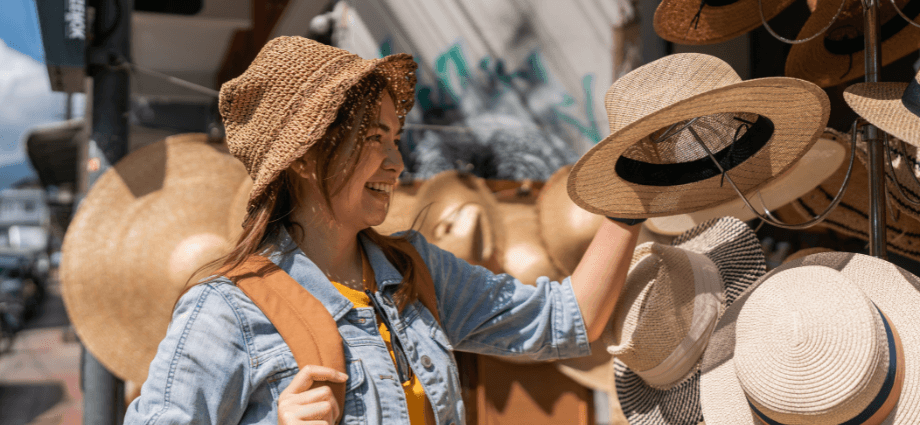
One of the most rewarding parts of slow travel is the chance to build genuine relationships with local people. Staying in one place for longer means you have time to interact with people beyond a quick hello or a brief exchange. Whether it’s striking up a conversation with a shopkeeper or joining a community event, these interactions can give you insights into the culture and lifestyle of the area.
Here are some ways slow travelers can connect with locals:
- Volunteering for local causes or events
- Taking part in cultural workshops or language classes
- Joining local tours led by residents
These kinds of connections lead to a more authentic travel experience and can even result in long-lasting friendships.
Meeting Fellow Travelers
Slow travel doesn’t just foster connections with locals—it also creates opportunities to meet other like-minded travelers. Whether you’re staying in a guesthouse, working remotely in a café, or attending a local workshop, you’re likely to meet other people who share your values and interests. These encounters can often turn into meaningful friendships that last long after the trip is over.
Slow travel offers a chance to connect with a community of travelers who prioritize cultural exchange and meaningful experiences. For example:
- Attend group activities like cooking classes or hikes.
- Stay in shared accommodations or hostels to meet other travelers.
- Join local gatherings and meetups designed for tourists and locals.
These connections can enrich your journey and provide you with even more perspectives on the places you visit.
Practical Tips for Slow Travel
Plan for Longer Stays
One of the most important aspects of slow travel is spending an extended period in one location. This allows you to truly explore a place without the pressure of moving on too soon. To do this, it’s helpful to plan your trip around one or two destinations rather than trying to see as many places as possible.
- Consider booking accommodations for a week or longer in one place.
- Choose destinations with plenty to explore in close proximity to minimize the need for long travel times.
- Use services like Airbnb or Couchsurfing for more affordable, local stays.
A longer stay allows you to immerse yourself in the rhythms of a place, making your experience more authentic and enjoyable.
Embrace Local Transportation
Instead of rushing from one destination to the next by air, slow travelers often choose to embrace more sustainable and local forms of transportation, such as trains, buses, and bicycles. This not only helps you reduce your carbon footprint but also allows you to see more of the landscape and experience the journey itself.
- Use local trains or buses to explore nearby towns or countryside.
- Rent a bike or walk to see more of a city.
- Take your time to enjoy the surroundings while traveling between destinations.
These slower modes of transportation enhance your overall travel experience, giving you a chance to slow down and really observe the world around you.
Challenges of Slow Travel and How to Overcome Them
Time and Budget Constraints
Slow travel can be challenging for those with limited time or a tight budget. Staying in one place longer might mean spending more on accommodation or living expenses. However, there are ways to make slow travel more affordable, such as:
- Looking for work or volunteer opportunities in exchange for accommodation.
- Cooking your own meals instead of eating out all the time.
- Traveling during off-peak seasons to lower accommodation costs.
By planning ahead and being flexible, you can make slow travel fit within your time and budget constraints.
Adapting to Local Lifestyles
Adapting to the slower pace of life in some destinations can be difficult for travelers used to fast-paced, tourist-driven itineraries. However, it’s important to embrace the rhythm of the place and enjoy the slower pace.
- Allow time for breaks and rest during the day.
- Be patient with the local pace of life, such as slower service in restaurants or more relaxed schedules.
- Learn to enjoy the simple pleasures, like a quiet afternoon in a park or a leisurely stroll.
Embracing a different pace will help you make the most of your slow travel experience.
Conclusion
Slow travel offers a unique and enriching way to explore new places. By staying in one place longer, connecting with locals, and embracing the slower pace of life, you can gain deeper insights into the culture and environment. It’s a way to travel that supports sustainability, reduces stress, and fosters meaningful relationships. While it may come with some challenges, the rewards of slow travel far outweigh the effort. So, the next time you travel, consider slowing down and experiencing the world at your own pace.