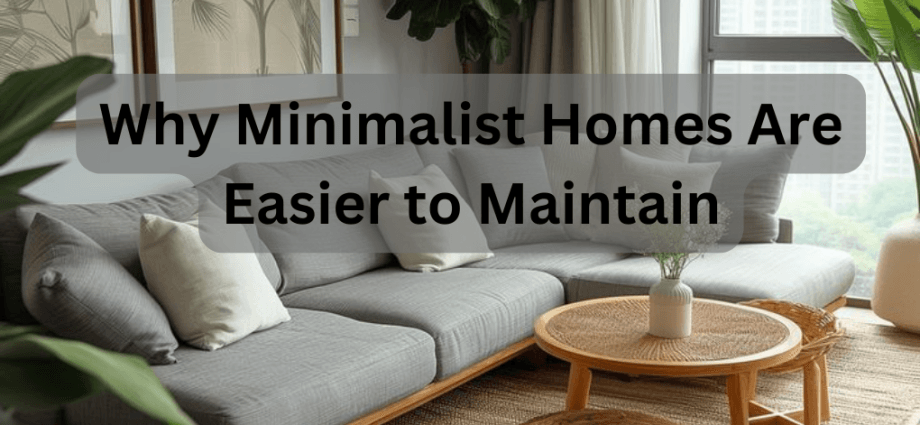
The Appeal of Minimalism
Minimalist homes have become a popular choice for many people seeking simplicity and tranquility. These homes focus on reducing excess and prioritizing functionality. The design typically features clean lines, open spaces, and a limited number of items. One of the key reasons why minimalist homes are so appealing is that they are easier to maintain. By embracing a minimalist approach, you can simplify your life and home care routine.
Simplified Cleaning Process
Minimalist homes make cleaning easier and less time-consuming. With fewer things to clean, it becomes quicker and more efficient. The clean and uncluttered aesthetic not only looks appealing but also reduces the amount of work required to keep the space in top condition.
Fewer Items to Clean
- There are fewer surfaces to dust, wipe, or polish.
- Less furniture means fewer places to trap dirt and grime.
- With minimal decor, there are fewer items to rearrange during cleaning.
Having fewer items in the house means there is simply less to take care of. Cleaning becomes a quick task when you don’t have to deal with numerous objects scattered around.
Easy-to-Clean Surfaces
- Smooth, flat surfaces like polished countertops and hardwood floors are easy to wipe down.
- There are fewer intricate details, such as complex furniture or decorative elements, that can accumulate dust and dirt.
- The absence of rugs and heavy curtains makes sweeping and mopping more straightforward.
Minimalist design often emphasizes practicality, which includes choosing materials that are easy to clean and maintain.
Less Clutter, Less Mess
- A tidy home is easier to keep clean because things don’t accumulate as quickly.
- Fewer personal items mean you’re less likely to leave things out of place.
- Organized spaces make it easy to put things back where they belong, preventing clutter from building up.
With fewer things in your home, it’s much easier to keep everything organized and in its proper place. This makes maintaining cleanliness a hassle-free task.
Lower Maintenance Costs
Another reason minimalist homes are easier to maintain is that they often come with lower maintenance costs. Fewer things in the home mean fewer repairs, replacements, and upkeep. By investing in quality and functionality, minimalist homes not only reduce clutter but also save you money in the long run.
Fewer Repairs and Replacements
- Minimalist homes typically feature fewer appliances, furniture, and gadgets.
- There is less wear and tear on items because you own fewer things.
- When something does need repair, it’s easier to find and fix because it’s not buried under piles of other stuff.
With fewer possessions, the need for constant repairs and replacements is reduced, which leads to long-term savings.
Durability of Minimalist Items
- Minimalist homes often focus on high-quality, durable pieces.
- Furniture and decor are chosen for their functionality and longevity rather than their aesthetic appeal.
- Items are typically built to last, so they don’t need to be replaced as often.
This focus on high-quality, long-lasting items means fewer replacements and more sustainable living. It’s a wise investment in your home’s future.
Easier Organization
A minimalist approach to home design helps create an organized and efficient space. By focusing on what you truly need and finding smart ways to store your possessions, a minimalist home stays organized with minimal effort.
Streamlined Storage Solutions
- Built-in storage, hidden cabinets, and sleek shelves provide a place for everything.
- Minimalist homes often incorporate multi-functional furniture, like storage ottomans or fold-out desks.
- Open shelving allows easy access to items without overcrowding spaces.
Storage is key to maintaining order in a minimalist home. Clever storage solutions make it easy to keep everything in its right place, ensuring a neat environment at all times.
Clear Layouts for Better Flow
- Open floor plans with fewer walls or barriers create a sense of space and ease.
- Furniture is strategically placed for optimal flow, preventing crowded areas.
- A clear layout helps to quickly find things when needed, reducing the time spent searching for misplaced items.

Minimalist homes prioritize open spaces, which improves not only the flow of the house but also the efficiency of daily tasks like cleaning and organizing.
Less Stressful Decluttering
- With fewer items, there’s less need for ongoing decluttering.
- Items have specific places to go, making it easier to keep the space tidy.
- A minimalist lifestyle encourages only keeping what’s necessary, helping prevent clutter from building up over time.
Decluttering becomes a natural part of living in a minimalist home. With fewer things, you won’t be overwhelmed by the constant need to sort through clutter.
Enhanced Sustainability
Minimalist homes often lead to more sustainable living. By reducing consumption and focusing on quality over quantity, you not only create a more manageable home but also help the environment.
Focus on Quality Over Quantity
- Minimalism encourages buying fewer items but choosing those that are made to last.
- Fewer items mean reduced waste and less need for replacements.
- A focus on durable, sustainable materials ensures that items have a longer lifespan.
By purchasing fewer, high-quality items, you help reduce your environmental footprint. Minimalism encourages a more thoughtful approach to consumption.
More Energy Efficiency
- Minimalist homes often rely on natural light, reducing the need for artificial lighting during the day.
- Fewer appliances mean lower energy consumption.
- The layout and design of the home might incorporate energy-efficient windows, insulation, and ventilation, reducing heating and cooling costs.
By living in a minimalist home, you can save money while making your space more eco-friendly.
Emotional and Mental Benefits

Living in a minimalist home does more than just make maintenance easier—it can also positively impact your mental and emotional well-being. A minimalist lifestyle offers a calmer, more peaceful environment that reduces stress and helps you focus on what matters most.
Reduced Decision Fatigue
- With fewer things to manage, you can make decisions more easily.
- A simplified environment means fewer distractions, allowing you to focus on important tasks.
- There’s less mental load involved in managing a minimalist home, making it easier to prioritize other aspects of your life.
Minimalism frees you from the constant decision-making that comes with clutter, offering mental clarity and peace of mind.
A Calmer, More Peaceful Environment
- Clean, uncluttered spaces promote relaxation and calmness.
- The simplicity of a minimalist home can create a peaceful atmosphere that helps reduce stress.
- Less visual noise in the home helps you focus on the present moment rather than being overwhelmed by your surroundings.
The tranquility of a minimalist home fosters an environment that supports your mental and emotional health, helping you live a more peaceful life.
Conclusion: Why Minimalism Works for Home Maintenance
Minimalist homes are not just about aesthetic appeal—they also make life easier. By simplifying cleaning, lowering maintenance costs, and promoting organization, minimalist homes are easier to manage and maintain. The added benefits of sustainability, mental well-being, and less clutter create a harmonious space that supports a stress-free, efficient lifestyle. Embracing a minimalist lifestyle can transform your home into a space that is not only beautiful but also functional and easy to take care of.