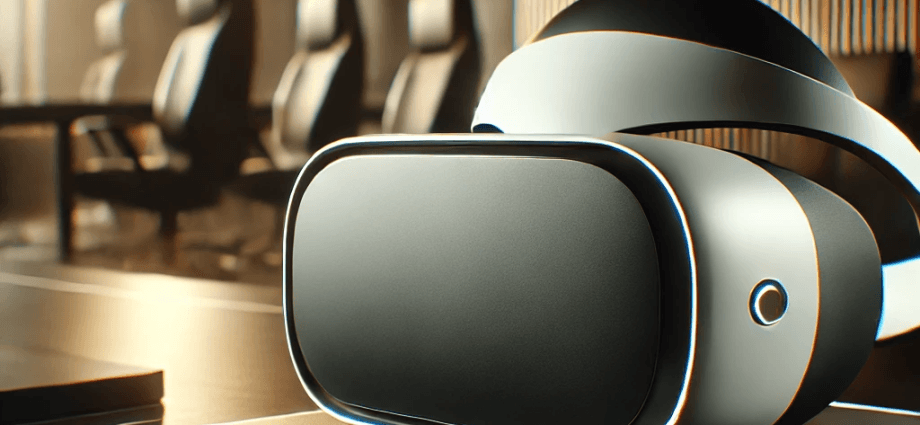
Virtual Reality (VR) has come a long way in recent years. Once considered a futuristic concept, it has evolved into a widely used technology in gaming, entertainment, education, and even healthcare. The introduction of standalone VR headsets has played a crucial role in this transformation. Unlike traditional VR headsets that require a PC, gaming console, or external sensors, standalone VR headsets come with everything you need built-in, providing a truly all-in-one experience. In this article, we’ll explore why standalone VR headsets are a must-have and how they are reshaping the way we experience virtual reality.
What is a standalone VR Headset?
A standalone VR headset is a complete, self-contained device designed to deliver a fully immersive VR experience without needing an external computer or console. These headsets are equipped with their own display, processing unit, and sensors to track your movements, all within the headset itself. Popular examples include the Oculus Quest 2 and Pico Neo, which have significantly reduced the complexity of using VR by eliminating the need for a wired connection to external hardware.
Definition of Standalone VR Headset
- All-in-One Design: Standalone headsets include everything required for VR—display screens, processing power, and motion sensors—right in the headset.
- Wireless: No need for external cables or external devices. Everything you need is inside the headset.
- Portable: Since they don’t require any external hardware, standalone headsets are highly portable, perfect for on-the-go VR experiences.
These headsets often offer flexibility in how they can be used, whether for gaming, fitness, education, or even virtual tourism. The convenience of being able to pick up the device, put it on, and be ready to experience VR in seconds makes them an attractive choice for anyone interested in VR.
Convenience of Standalone VR Headsets
One of the most appealing factors of standalone VR headsets is the convenience they provide. Traditional VR systems often require a computer or gaming console, along with various external sensors and cables. With standalone headsets, you get a hassle-free, wireless experience that can be set up almost anywhere.
No Need for External Devices
- Self-Contained: Everything you need is built into the headset, meaning no wires, sensors, or a PC are required.
- Quick Setup: Simply turn on the headset, and you’re ready to go. No complicated setup or external equipment to configure.
- Freedom of Movement: Since there’s no need to be tethered to a PC, users can move freely without worrying about cables getting in the way.
Standalone headsets are also highly portable. They can be used in almost any environment, whether at home, on a trip, or at a friend’s house. Whether you’re playing a VR game or attending a virtual meeting, the ease of portability makes these headsets perfect for both casual and on-the-go use.
Affordable and Accessible VR for Everyone

Standalone VR headsets make virtual reality more affordable and accessible than ever before. Traditional VR systems, which require a high-powered PC or gaming console, can be quite expensive—sometimes costing upwards of $1,000 or more. In contrast, standalone VR headsets offer a similar immersive experience at a fraction of the price.
Lower Price Point Compared to PC-Based VR
- Affordable Pricing: Standalone headsets typically cost between $200 and $400, depending on the model, while PC-connected systems can be priced much higher.
- No Additional Costs: Unlike traditional VR, you don’t need to invest in an expensive gaming computer or console to use a standalone headset.
- Ongoing Savings: With no need for external hardware or upgrades, standalone VR provides a cost-effective entry into the world of VR.
Standalone headsets also make it easier for newcomers to dive into virtual reality without a steep learning curve. Since they don’t require specialized equipment or advanced setup, users can experience VR in a more straightforward and accessible way. Whether you’re a gaming enthusiast, a fitness lover, or just someone curious about VR, standalone headsets provide a low-cost and high-quality way to explore this exciting technology.
The Immersive Experience
Standalone VR headsets offer an immersive experience with high-quality visuals and sound, bringing users into virtual worlds in ways that were once only possible with high-end gaming PCs or specialized systems.
High-Quality Visuals and Audio
- HD Displays: Standalone VR headsets feature high-resolution screens (often around 1080p or higher per eye) that deliver crisp and detailed visuals.
- Spatial Audio: Many standalone headsets come with built-in audio solutions, offering 3D spatial sound that enhances immersion without the need for additional headphones.
- Smooth Performance: The latest models feature fast refresh rates (90Hz or more) for fluid motion that minimizes blur and motion sickness.
Additionally, advancements in motion tracking and ergonomics have made these headsets even more immersive. With better tracking of hand movements, facial expressions, and even your surroundings, standalone VR headsets can create highly interactive environments.
Comfortable for Long Sessions
- Adjustable Fit: Most standalone VR headsets feature adjustable straps to fit different head sizes comfortably.
- Lightweight: Many headsets are designed to be light and well-balanced, reducing neck strain during extended use.
- Anti-Sweat Materials: VR headsets are made from breathable materials to ensure comfort during long VR sessions.
The immersive experience of standalone VR headsets continues to improve, with new software updates and hardware advances making these devices better than ever before. Whether you’re exploring a VR game, attending a virtual meeting, or watching 360-degree videos, the experience is rich, dynamic, and incredibly engaging.
Future of Standalone VR Headsets
The future of standalone VR headsets looks incredibly promising. As technology continues to advance, we can expect even more powerful and refined models. Upcoming improvements in screen quality, processing power, and wireless capabilities will lead to even more realistic and engaging virtual environments.
Advances in VR Technology
- Improved Visuals: Expect higher resolutions and wider field-of-view (FOV) for more immersive experiences.
- Better Motion Tracking: Future headsets may feature even more accurate tracking of hands and body movements, making VR interactions more lifelike.
- Faster Processing: With improvements in mobile processors, standalone headsets will offer smoother, more responsive VR experiences.
Standalone VR Becoming the Standard
As standalone VR technology advances, it is likely to become the standard for both casual users and professionals. With more affordable models and improved capabilities, standalone headsets will continue to dominate the VR market, providing a complete virtual reality experience without the need for external hardware.
Conclusion
Standalone VR headsets have revolutionized the world of virtual reality by making it more accessible, affordable, and enjoyable for everyone. These headsets are easy to use, portable, and provide an immersive experience, all without requiring a PC or gaming console. As technology continues to improve, standalone VR headsets are only going to become more powerful and integrated into our daily lives. Whether you’re a gamer, fitness enthusiast, or simply curious about VR, investing in a standalone VR headset is a great way to experience the future of virtual reality today.