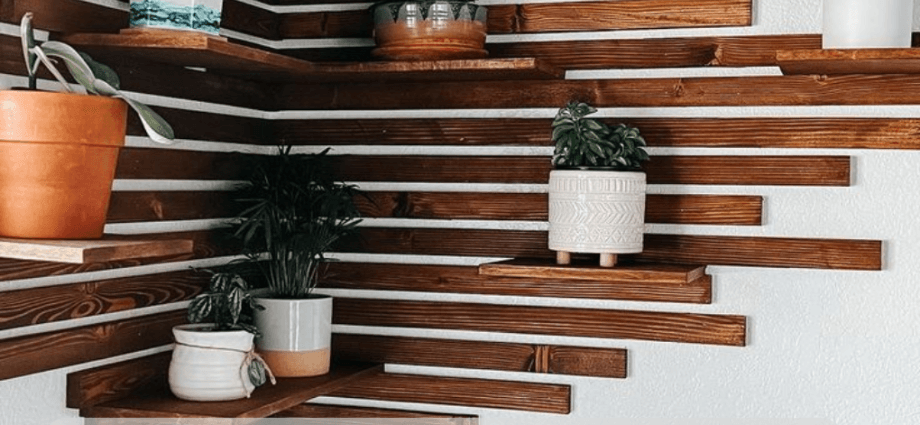
DIY (Do-It-Yourself) crafting has become a beloved activity worldwide, offering people a way to create, personalize, and express themselves. In recent years, this trend has gained traction as more individuals seek meaningful hobbies, especially ones that connect them to their creative sides. This article explores how DIY crafting evolved into a popular creative outlet, its cultural impact, and why it continues to thrive.
DIY Crafting in Modern Culture

DIY crafting has carved a significant niche in today’s society, blending traditional skills with modern influences.
The Influence of Social Media
Social media has played a pivotal role in popularizing DIY crafting. Platforms like Instagram, Pinterest, and TikTok allow creators to share tutorials, showcase finished projects, and connect with audiences worldwide. Viral trends such as tie-dye, resin art, or upcycled fashion inspire others to try their hand at crafting.
These platforms also foster a sense of community, where crafters exchange ideas and celebrate each other’s creativity. Hashtags like #DIYProjects and #CraftingCommunity make it easy to find inspiration and encouragement.
The Shift to Handmade Goods
In a world dominated by mass production, handmade items are making a comeback. People value the uniqueness and care that go into creating handcrafted goods.
- Handmade products are often seen as more ethical and sustainable.
- They allow individuals to support small businesses or create items that align with personal values.
- The charm of imperfections in handmade goods contrasts with the uniformity of factory-made products.
DIY crafting reflects a growing preference for items that are personal and meaningful.
Reasons Behind the Popularity of DIY Crafting
Several factors contribute to the widespread appeal of DIY crafting.
A Form of Stress Relief
In today’s fast-paced world, crafting provides a calming escape. Engaging in creative activities helps reduce stress and improves mental health.
Research shows that repetitive, hands-on tasks like knitting or painting can have meditative effects. This sense of focus allows people to relax and temporarily set aside their worries.
A Way to Personalize Experiences
Crafting allows individuals to create projects that reflect their personality and style. From handmade gifts to home décor, DIY projects add a personal touch that store-bought items cannot match.
Examples of personalized crafting include:
- Designing custom photo frames for special memories.
- Creating unique jewelry to express personal style.
- Making handmade cards for loved ones during special occasions.
Through these projects, DIY crafting turns everyday items into cherished keepsakes.
Affordability and Accessibility
DIY crafting is a budget-friendly hobby that anyone can start. Many projects rely on materials that are affordable or already available at home.
Additionally, the internet offers endless tutorials and resources to guide beginners. From YouTube videos to free online courses, crafters have access to an array of learning tools.

Popular DIY Crafting Trends
DIY crafting trends evolve with time, reflecting societal changes and individual interests.
Upcycling and Repurposing
As environmental awareness grows, upcycling has become a major crafting trend. Upcycling involves turning old or unused items into something new and valuable.
Examples of upcycling projects include:
- Repurposing mason jars into decorative vases or storage containers.
- Transforming old clothes into tote bags or patchwork quilts.
- Turning wooden pallets into furniture like coffee tables or shelves.
This approach not only reduces waste but also inspires creativity by encouraging people to see the potential in discarded items.
Paper Crafting and Journaling
Paper crafting remains a popular choice for those who enjoy creativity and organization. Activities like scrapbooking, bullet journaling, and origami allow crafters to combine artistry with functionality.
- Scrapbooking helps preserve memories through photos, designs, and embellishments.
- Bullet journaling is a creative way to stay organized and track personal goals.
- Origami offers a relaxing way to create intricate designs using simple materials.
These projects are accessible and rewarding, making them ideal for beginners and experienced crafters alike.
Knitting, Crocheting, and Sewing
Traditional crafts like knitting, crocheting, and sewing have seen a resurgence in popularity. These skills not only produce functional items like clothing or blankets but also offer a sense of accomplishment.
Many people find joy in gifting handmade creations to friends and family or participating in community crafting events. Online groups and tutorials make these crafts more approachable for modern audiences.
The Economic Impact of DIY Crafting
Beyond personal enjoyment, DIY crafting has a notable economic influence.
Small Businesses and Craft Markets
Many crafters turn their hobbies into profitable ventures. Platforms like Etsy and local craft fairs provide opportunities for creators to sell their handmade goods.
- Crafting side hustles often start small but can grow into full-time businesses.
- Customers appreciate the uniqueness and quality of handmade items.
This trend supports local economies while allowing individuals to pursue creative careers.
Supporting the Craft Supply Industry
The rise of DIY crafting has also boosted demand for supplies and tools. Stores specializing in craft materials, such as yarn, paint, or fabric, have seen increased sales.
Large retailers and small businesses alike benefit from this trend, as crafters often purchase products both online and in-store.
Challenges and Criticisms
While DIY crafting is widely celebrated, it also faces challenges.
Accessibility Gaps
Not everyone has equal access to crafting materials or skills. Some projects require expensive tools or specialized knowledge, which can create barriers for beginners.
Efforts to make crafting more inclusive include offering free workshops or affordable material kits.
Over-commercialization
As DIY crafting grows in popularity, some argue that its original spirit of creativity is being overshadowed by commercialization. Crafting influencers and large companies may prioritize profit over authenticity.
Despite these challenges, many crafters continue to embrace the hobby for its personal and artistic value.
Conclusion: The Timeless Appeal of DIY Crafting
DIY crafting remains a beloved outlet for creativity, stress relief, and self-expression. It fosters a sense of accomplishment while connecting people through shared interests.
As trends evolve and new tools emerge, crafting will continue to adapt, inspiring future generations to create and innovate. Whether for fun, profit, or personal growth, the appeal of DIY crafting is both timeless and universal.