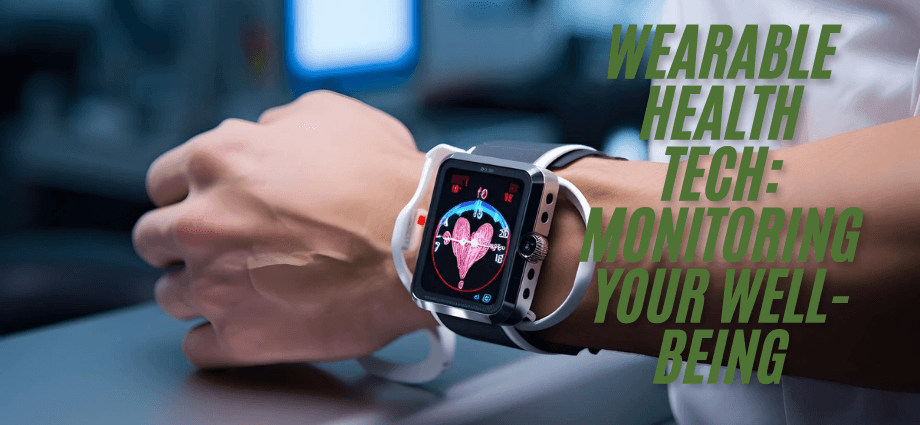
In today’s fast-paced world, personal health and well-being have become more important than ever. With the rise of wearable technology, individuals now have access to real-time health monitoring right on their wrists or even in their clothes. Wearable health devices, such as smartwatches, fitness trackers, and biometric sensors, offer a convenient way to track key health metrics like heart rate, sleep patterns, and physical activity. This technology allows users to take charge of their health and stay informed, helping them make better decisions regarding their fitness, sleep, and overall well-being. In this article, we’ll explore how wearable health technology works and how it’s transforming how we manage our health.
What Is Wearable Health Technology?
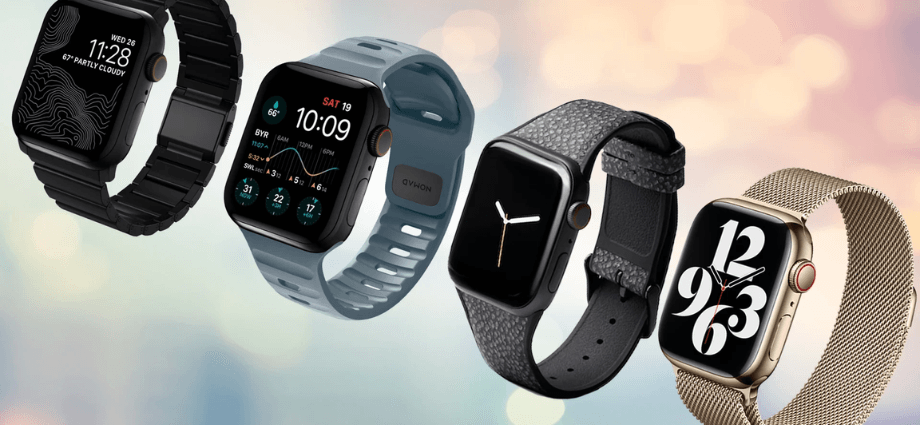
Wearable health tech refers to electronic devices designed to monitor various health metrics in real-time. These devices are typically worn on the body, like smartwatches or fitness trackers, and can track everything from heart rate and sleep to physical activity and calories burned.
Definition and Types of Wearable Health Tech
Wearable health tech encompasses a variety of devices that help monitor, record, and track key health metrics. These devices come in many forms, including:
- Smartwatches: Multifunctional devices that track health and fitness data while also providing smartphone-like features.
- Fitness trackers: Specialized devices designed to monitor physical activity, steps, and sleep patterns.
- Smart clothing: Biometric garments equipped with sensors that measure heart rate, muscle activity, and other health indicators.
These devices are designed to make health tracking more accessible, accurate, and convenient.
How Wearable Health Devices Work
Wearable health devices use sensors to collect data on various aspects of the user’s health. This data is then sent to a paired app on the user’s smartphone or another device for analysis. These sensors can track vital signs, movements, and even monitor sleep quality. Through wireless connectivity, the devices sync with apps to provide real-time feedback, helping users make informed decisions about their health.
Key Features of Wearable Health Devices
Wearable health devices are equipped with several important features that provide valuable insights into your health. These devices go beyond basic fitness tracking to offer detailed information about various aspects of your well-being.
Heart Rate Monitoring
Heart rate monitoring is one of the core functions of most wearable health devices. By using sensors like optical heart rate monitors, these devices track your heart rate throughout the day. Key benefits include:
- Continuous heart rate tracking: Helps you monitor your heart health over time.
Sleep Tracking

Wearable devices can also monitor your sleep patterns, which is crucial for overall well-being. Sleep is essential for recovery, mood regulation, and general health. Wearable devices track various sleep stages, including light sleep, deep sleep, and REM (rapid eye movement) sleep. Key benefits of sleep tracking include:
- Tracking sleep quality: Understand how much restorative sleep you’re getting each night.
Activity and Fitness Tracking
Fitness trackers are known for their ability to monitor physical activity and motivate users to stay active. These devices typically count steps, monitor calories burned, and track physical exercise. Benefits include:
- Tracking daily steps: Stay on top of your physical activity by monitoring how many steps you take throughout the day.
Benefits of Wearable Health Tech
Wearable health devices offer several advantages that go beyond tracking fitness. They empower users to take control of their health and well-being through real-time data collection and analysis.
Improved Health Awareness
By constantly monitoring key health metrics, wearable health devices provide users with a deeper understanding of their health. Benefits include:
- Daily insights into your health: Keep track of your heart rate, activity levels, sleep patterns, and more.
- Increased awareness: Monitoring these metrics helps you recognize trends in your health, encouraging healthier habits.
Wearable health devices give users the knowledge they need to make informed decisions about their well-being.
Convenience and Accessibility
Unlike traditional health monitoring methods, wearable devices offer a convenient, accessible way to track your health on a daily basis. Key benefits include:
- Continuous tracking: Wearables provide ongoing monitoring, so you don’t have to schedule appointments or remember to check your vitals.
Popular Wearable Health Devices
Several brands and devices are leading the charge in wearable health technology, each offering unique features designed to enhance your health and fitness journey.
Smartwatches (e.g., Apple Watch, Fitbit)
Smartwatches are one of the most popular wearable devices available. They offer a wide range of features, such as heart rate monitoring, sleep tracking, fitness tracking, and more. They also provide seamless integration with your smartphone, offering notifications, messages, and call alerts right on your wrist.
Fitness Trackers (e.g., Garmin, Xiaomi)
Fitness trackers are designed to be lightweight and focused on physical activity tracking. These devices typically include features like step counting, sleep monitoring, heart rate tracking, and calorie burning, with a strong emphasis on fitness-related metrics.
Smart Clothing and Biometric Sensors
Smart clothing and advanced biometric sensors are emerging as next-generation wearable health tech. These items, like smart shirts or fitness patches, track vital signs such as heart rate, muscle activity, and even respiratory rates, making them especially useful for athletes or those undergoing rehabilitation.
The Future of Wearable Health Technology
As wearable health technology continues to evolve, new advancements in AI and healthcare integration are transforming how these devices support health and wellness.
Integration with Healthcare Systems
The future of wearable health tech lies in its integration with healthcare systems. This could allow for real-time data sharing with doctors, giving healthcare providers immediate access to critical health data, which could lead to more personalized care and faster intervention.
Advancements in AI and Data Analytics
AI and machine learning are set to revolutionize wearable health devices. By analyzing vast amounts of health data, AI can offer more personalized health recommendations and predict potential health risks, making wearables even more powerful tools for preventive care.
Conclusion
Wearable health technology has become an essential tool in managing personal health and wellness. With features like heart rate monitoring, sleep tracking, and fitness tracking, these devices provide valuable insights into our daily health habits. As technology advances, wearable devices will continue to evolve, offering even more powerful tools for monitoring and improving our health. Embracing wearable health tech can help individuals take charge of their well-being, encouraging healthier habits and potentially preventing health problems before they arise.