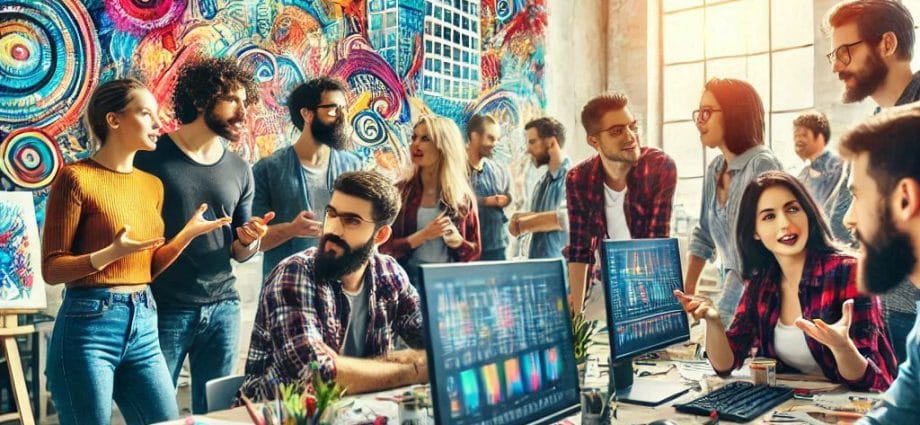
Technology and art have always had a complex relationship. Over time, the boundaries between the two have blurred as artists embrace new tools to create, preserve, and share their work. In today’s digital age, technology plays a pivotal role in how art is produced and experienced, making it an exciting and ever-evolving field. This article explores how technology influences art creation, preservation, exhibitions, and education, while also looking at the future possibilities and ethical considerations involved.
The Impact of Technology on Art Creation
Digital Tools for Artists
Digital tools have transformed the way artists create and express themselves. Software like Photoshop, Illustrator, and 3D modeling programs offer a range of possibilities, allowing for intricate designs, precise adjustments, and the ability to experiment without limitations. Tablets and styluses provide artists with a physical drawing experience that mimics traditional methods, but with the added benefit of endless options for editing and enhancing their work.
- Enhanced Precision: Digital tools allow for precise edits and adjustments, ensuring artists can fine-tune their work with ease.
- Unlimited Editing: Artists can undo and redo actions, experiment freely, and create multiple versions of a piece without fear of making permanent mistakes.
- Cost-Effectiveness: While traditional materials can be expensive, digital art tools often provide a one-time cost or subscription, making them more affordable in the long run.
By utilizing digital tools, artists can also expand their creative horizons. For instance, the ability to work in 3D allows for a level of depth and dimension that traditional media cannot always replicate.
The Role of Artificial Intelligence in Art
Artificial intelligence (AI) has become an innovative partner in the creation of art. AI-driven programs are capable of generating original artwork, music, and even poetry based on pre-set algorithms. Artists are increasingly collaborating with AI to create unique pieces, using the technology to explore new creative possibilities that would otherwise be out of reach.
- AI Art Generators: AI algorithms can produce paintings, sculptures, and other forms of art based on specific inputs and data sets.
- Human-AI Collaboration: Artists use AI as a tool, providing input and direction while allowing the AI to contribute to the final work.
- Exploration of New Ideas: AI can help artists explore concepts and styles they may not have considered, pushing the boundaries of creativity.
These AI-generated pieces spark questions about authorship and creativity, yet they also open new doors for collaboration between man and machine, blurring the lines of what constitutes “art.”
Technology in Art Preservation and Restoration
Technology is crucial for preserving and restoring art, helping protect it from damage and making it accessible to people worldwide.
Digital Archives for Art Preservation
Digital archives use high-resolution, 3D scans to preserve artworks and make them available long after the physical pieces may deteriorate.
- High-Resolution Scans: Captures detailed images, ensuring long-term preservation.
- Global Access: Allows people worldwide to study the artworks.
- Protection from Damage: Safeguards art from environmental risks and degradation.
These digital records not only preserve art but also spread cultural heritage across the globe.
Restoration Techniques Using Technology
Technologies like 3D scanning, imaging software, and laser cleaning help restore art accurately and with minimal damage to the original work.
- 3D Scanning for Accuracy: Creates detailed digital models to guide restoration.
- Laser Cleaning: Safely removes dirt and old materials without harming the surface.
- Imaging Software for Restoration: Helps restore missing parts, maintaining the artist’s style.
These methods provide a more precise, less invasive way to restore art while preserving the original integrity.
The Influence of Technology on Art Exhibitions
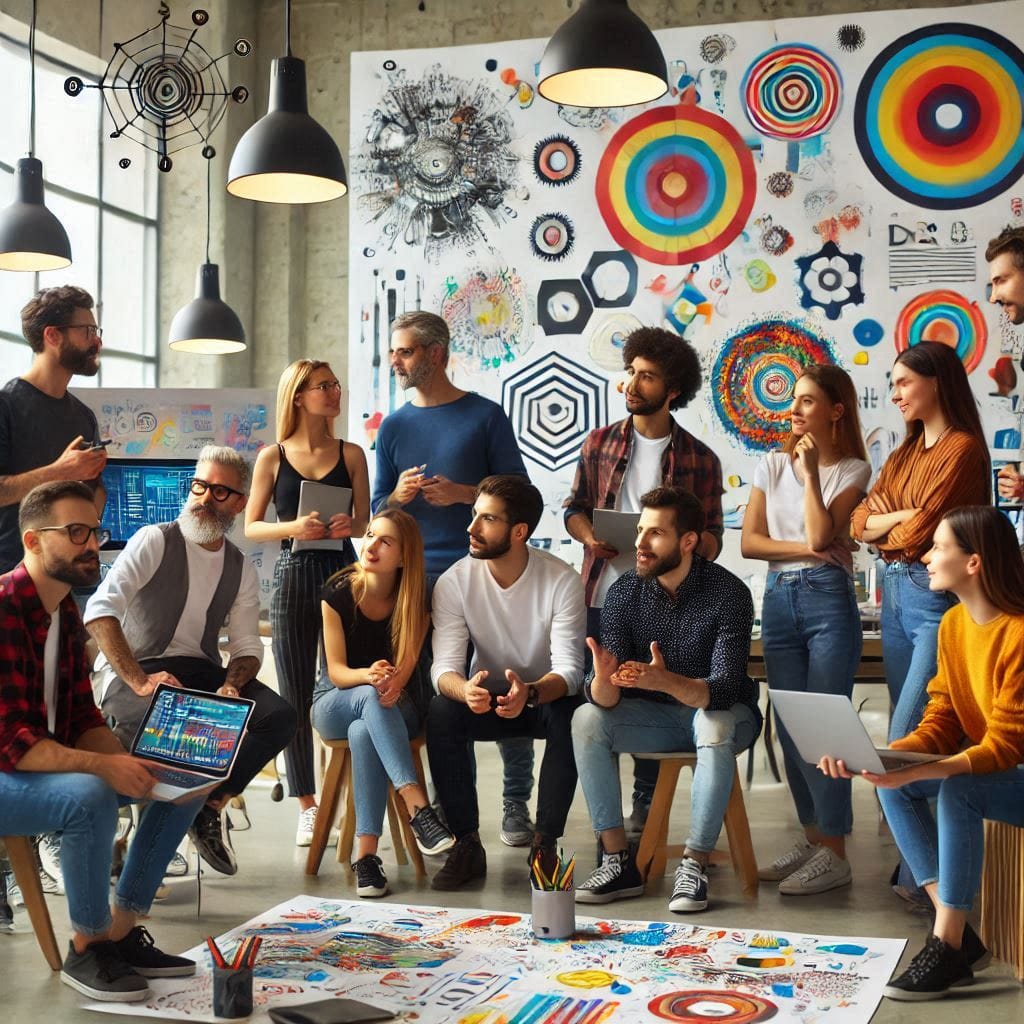
Technology has revolutionized how art is displayed, with virtual galleries and online exhibitions expanding access globally. These platforms allow artists to showcase their work without geographical limits, offering interactive features like high-resolution zoom and virtual tours. Online exhibitions are cost-effective for artists and galleries, and multimedia elements such as video and sound add depth to the experience.
Virtual Art Galleries and Online Exhibitions
Virtual galleries provide global exposure for artists, allowing viewers to experience art from anywhere. These platforms offer interactive tools, like zooming and virtual walkthroughs, making the experience more engaging. Online exhibitions are also affordable for emerging artists, removing the need for costly physical spaces.
Interactive Art Installations Using Technology
Artists are incorporating sensors, augmented reality (AR), and virtual reality (VR) into their installations to create immersive experiences. Motion sensors, AR, and VR allow viewers to interact with art in dynamic ways, transforming passive observation into active participation. These technologies are changing how we engage with and experience art.
Technology and Art in Education
Online Art Classes and Learning Platforms
Technology has also expanded access to art education. Platforms like Skillshare, YouTube, and Coursera offer online art courses, allowing students to learn at their own pace from anywhere in the world. These platforms have made it easier for aspiring artists to access high-quality instruction without the barriers of cost or location.
- Diverse Learning Options: From drawing basics to advanced digital art techniques, online platforms offer a wide range of courses for all skill levels.
- Flexible Learning Schedules: Online education allows students to learn whenever it suits them, making it more convenient for those with busy schedules.
- Access to Global Instructors: Students can learn from expert instructors, regardless of where they are located in the world.
The ability to take online classes has democratized art education, offering opportunities to those who may not have had access to traditional art schools.
Art Students Using Technology to Enhance Creativity
Many art students are turning to technology to enhance their creativity and develop their skills. Digital tools and online resources help students learn new techniques and push the boundaries of their artistic abilities.
- Virtual Reality for Skill Practice: VR can provide art students with immersive environments to practice skills like sculpture or painting in a virtual space.
- Collaborative Platforms for Sharing: Platforms like Instagram and DeviantArt allow students to share their work, receive feedback, and collaborate with others worldwide.
- Digital Tools for Experimentation: Tools like graphic design software, 3D printers, and digital painting programs give students a platform to experiment with new ideas and techniques.
Technology has become a valuable asset for art students, providing them with both tools and resources to enhance their learning experiences.
The Future of Technology and Art
Emerging technologies like blockchain, augmented reality (AR), and artificial intelligence (AI) are set to reshape the art world, transforming how art is created, bought, and sold.
Emerging Technologies Shaping the Art World
Blockchain enables artists to sell NFTs (Non-Fungible Tokens) for proof of authenticity. AR adds interactive digital layers to physical art, creating immersive experiences. AI can generate personalized art, making it more accessible. These technologies will redefine how we create and experience art.
Ethical Considerations in Tech-Driven Art
Technology brings ethical challenges, especially with AI-generated art. Questions arise around originality, copyright, and the impact on traditional art.
- AI and Originality: Who owns AI-generated art?
- Impact on Traditional Artists: Will digital art overshadow traditional forms?
- Ethics of Art Reproduction: How should altered or reproduced art be valued?
As technology advances, these concerns need careful consideration.
Conclusion
The intersection of technology and art has created endless possibilities, allowing for new forms of expression, preservation, and education. While challenges exist, especially regarding ethics and originality, the future of art in the digital age looks promising. As technology continues to evolve, so too will the ways in which we create, experience, and appreciate art.