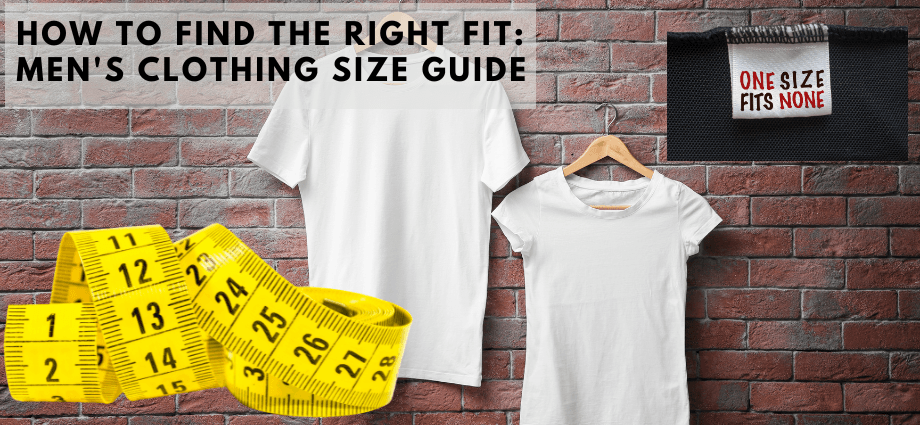
Choosing the right clothing size is key to looking and feeling good. Wearing clothes that fit properly can enhance your appearance, boost your confidence, and improve comfort. This guide will help you understand how to find the right fit for different types of men’s clothing, from tops and bottoms to footwear. By the end of this article, you’ll have the tools to make smart, well-informed choices when shopping for clothes.
Understanding Men’s Clothing Sizes
Clothing sizes can vary greatly depending on the brand, country, and style. Knowing how to interpret size labels and measurements is essential for finding the perfect fit.
Standard Size Chart Overview
Different countries and brands use various sizing systems for men’s clothing. The most common systems include US, UK, and EU sizes. Sizes can be labeled with letters like S, M, L, XL or with numbers like 30, 32, 34 for pants.
Each brand may have slight differences in sizing, so it’s important to check their specific size charts when shopping.
Importance of Taking Measurements
To ensure the best fit, it’s important to take your measurements before shopping. The key measurements for men’s clothing are chest, waist, and inseam.
Knowing these measurements will help guide your size selection, especially when buying online or shopping for a specific brand.
How to Find the Right Fit for Tops
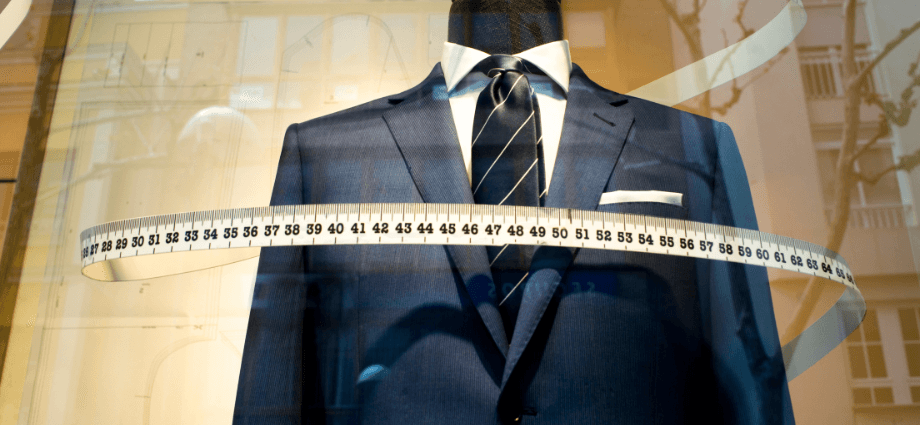
When selecting shirts, t-shirts, or jackets, key measurements like chest, shoulder, and sleeve length play a big role in achieving a good fit.
Choosing the Right Shirt Fit
Shirts come in various fits, such as slim fit, regular fit, and relaxed fit. Choosing the right fit depends on your body shape and style preference.
- Slim Fit: Ideal for a tailored look, hugging the body without being too tight.
- Regular Fit: Offers more room for comfort, a great option for most body types.
- Relaxed Fit: Best for those who prefer a looser fit and extra comfort.
Jacket Fit Considerations
A good jacket should fit well across your shoulders and sleeve length. Check these points for a proper jacket fit:
- Shoulder Width: The jacket’s seams should align with the edge of your shoulders.
- Sleeve Length: The sleeve should end just before your wrist bone.
- Jacket Length: The jacket should cover your waist and allow you to move comfortably.
How to Find the Right Fit for Bottoms
For pants and shorts, waist and inseam measurements are the most crucial. Understanding different fit styles will also help you achieve the perfect look.
Understanding Waist Size and Inseam Length
To find the right fit for pants, measure your waist and inseam properly:
- Waist: Use a soft measuring tape around your natural waistline.
- Inseam: Measure from the crotch to the ankle to find the correct length for pants.
Most pants come with both waist size and inseam length listed, such as 32×32 (waist x inseam).
Types of Pants Fits
Different styles of pants fit differently, and choosing the right style can make a big difference in comfort and appearance. The most common types of pants fits include:
- Slim Fit: Tighter through the thighs and legs, offering a modern look.
- Straight Fit: More room in the thighs with a straight cut down to the ankles.
- Bootcut: Slightly wider at the ankles, typically worn with boots or for a more relaxed fit.
How to Find the Right Fit for Footwear
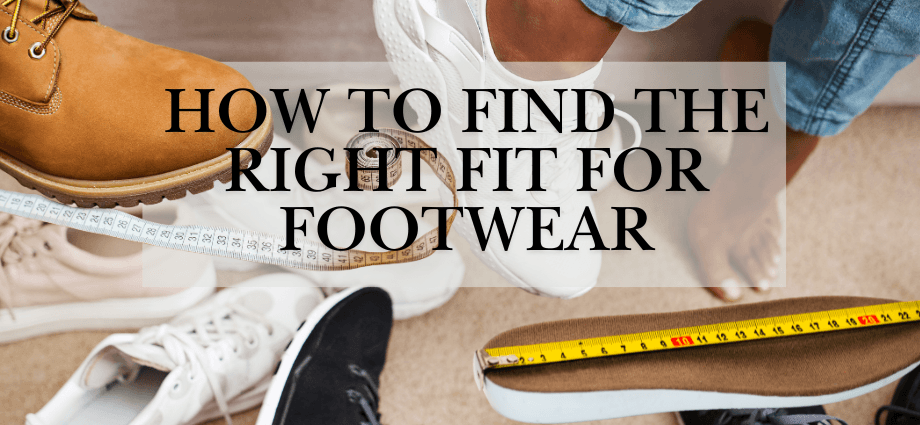
Finding the right shoe size is essential for comfort. A good shoe should provide ample toe space and support throughout the day.
Shoe Sizing and Fitting Tips
To find the right shoe size, measure your foot accurately. Start by measuring the length and width of your feet. Pay attention to the following:
- Foot Length: Measure from the back of your heel to the tip of your longest toe.
- Foot Width: Measure the widest part of your foot to ensure the shoe isn’t too tight or loose.
Different Shoe Types and Their Fit
Different types of shoes have different fits. Choosing the right shoe can make a difference in comfort and performance. Here are a few considerations:
- Sneakers: Typically have more flexibility and room for comfort.
- Dress Shoes: Require a more precise fit, particularly in the toe area.
- Boots: Should fit snugly around your ankle while providing ample room in the toe box.
Common Sizing Mistakes to Avoid
When shopping for clothes, there are several common mistakes people make. Avoiding these errors can lead to better fitting clothes and a more comfortable wardrobe.
Ignoring the Brand Size Chart
Many shoppers skip over the brand-specific size chart, leading to ill-fitting clothes. Always consult the size chart before purchasing, especially for online shopping. Sizes can vary across brands, and what works for one might not fit well for another.
Focusing Only on the Number
Don’t get too hung up on the number on the label. Fit is more important than the number size. A size 32 in one brand might fit completely differently from a size 32 in another brand. Pay attention to how the clothing feels on your body rather than the number.
Conclusion
Choosing the right fit for men’s clothing is essential for both style and comfort. By understanding how to take accurate measurements and by considering different fits for shirts, pants, and shoes, you can build a wardrobe that enhances your confidence. Remember, the perfect fit is not about the label or the number but about how the clothing feels and fits your body.