Watches are not only a tool to tell time but also an excellent way to teach children about responsibility, time management, and independence. When children wear watches, they develop important skills that will serve them for a lifetime. In this guide, we’ll explore why watches are great for kids, how to choose the right one, and recommend some top options to consider for your child.
Why Watches Are Important for Kids
Wearing a watch can be more than just a stylish accessory for kids. It’s a fun and educational tool that helps them learn important life skills.
Developing Time Management Skills
Teaching kids to tell time helps them understand the passage of time. With the help of a watch, children learn how to manage their day better, whether it’s getting to school on time or managing playtime.
- Kids can set their own schedule for daily activities.
- They learn the value of time, which can improve punctuality.
- A watch helps kids understand how long tasks take, which helps them plan ahead.
Building Responsibility
When children are responsible for their own watch, they learn to take care of their belongings. This instills a sense of accountability, as they make sure their watch is in good condition and ready to use when needed.
- Watches help children develop organizational skills.
- They become more aware of their possessions and the importance of caring for them.
- Kids get to enjoy a sense of ownership over their accessories.
Improving Confidence
Wearing a watch allows children to feel more independent and grown-up. It can boost their self-esteem, as they feel like they are taking on the responsibilities of an adult.
- Kids are more confident when they can check the time on their own.
- A watch gives children the opportunity to learn a new skill.
- Children often feel proud when they use their watch correctly.
Choosing the Right Watch for Your Child
When shopping for a watch for your child, you want to ensure it fits their age, learning level, and interests. Here are a few factors to consider before making a purchase.
Age-Appropriate Watches
The right type of watch depends on your child’s age. For younger kids, simpler designs are best, while older children may enjoy more advanced features.
- Toddlers (1-3 years): Choose a watch with a colorful design and a simple digital display. Digital watches are easier for toddlers to understand.
- Preschoolers (3-5 years): Look for watches with larger numbers or fun characters. Some digital watches also come with basic educational features.
- School-age (6-12 years): Children at this age can use analog watches and enjoy the challenge of learning how to read time.
- Teens (13+ years): Consider watches with more advanced features, such as smartwatches, that include timers, fitness trackers, and customizable designs.
Design and Style Preferences
Children often like to choose accessories based on their interests. Whether they love superheroes, animals, or sports, finding a watch that fits their style can make them excited to wear it.
- Fun Designs: Watches featuring their favorite colors or characters can make the experience enjoyable.
- Personalization: Some watches allow kids to customize their bands or watch faces.
- Simple Styles: For older children, minimalistic designs with neutral colors can be appealing.
Durability and Comfort
Children are active, and their watches need to keep up with them. Look for watches made from durable, child-friendly materials like silicone or plastic, which can handle rough play. Comfort is also important—make sure the watch fits snugly and doesn’t feel too bulky.
- Flexible and soft straps prevent discomfort and allow for easy adjustments.
- Scratch-resistant materials help keep the watch looking new even after wear and tear.
- Water-resistant features are great for kids who love swimming or playing outside in the rain.
Top Features to Look for in Kids’ Watches
Not all watches are created equal. The best watches for kids include features that promote learning, are easy to use, and are designed for their lifestyle.
Water Resistance
Kids can get messy or accidentally dunk their watches in water, which is why water resistance is a must. A waterproof or water-resistant watch ensures the watch lasts longer and continues to function, even when exposed to splashes, rain, or sweat.
- Water-resistant watches can be worn while swimming or during outdoor play.
- Submersible features allow for greater flexibility and durability in water-related activities.
Easy-to-Read Display
The display is one of the most important features of any kids’ watch. An easy-to-read watch helps young learners better understand how to tell time, especially if they’re just starting to grasp the concept.
- Large numbers on analog or digital watches help kids read the time more easily.
- Color-coded faces can help them differentiate between hours and minutes.
- Simple, straightforward dials prevent confusion and make learning easier.
Educational Functions
Some kids’ watches include built-in features that can help children learn about time in a fun and interactive way. These watches may include games, activities, or even alarms to encourage good habits like waking up on time or keeping track of schoolwork.
- Timers and alarms help children understand the passage of time for specific activities.
- Games and interactive lessons make learning to tell time more enjoyable.
- Learning apps can help teach children about time management.
Top Brands for Kids’ Watches
When it comes to buying a watch for your child, several brands specialize in providing fun, functional, and educational options. Here are some top brands known for their quality kids’ watches.
VTech Kidizoom Smartwatch
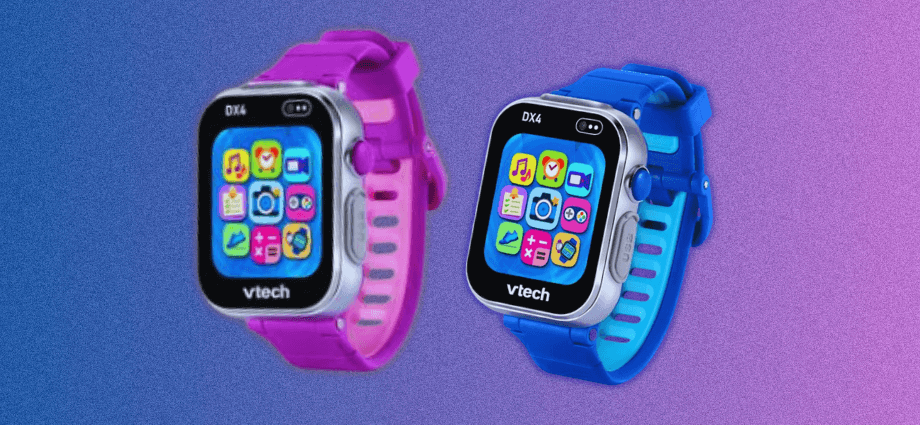
The VTech Kidizoom Smartwatch is a popular choice for younger children. It features a camera, games, and time-telling features, making it a versatile gadget for kids. With a kid-friendly design and plenty of fun activities, it helps kids learn while they play.
Timex Time Machines
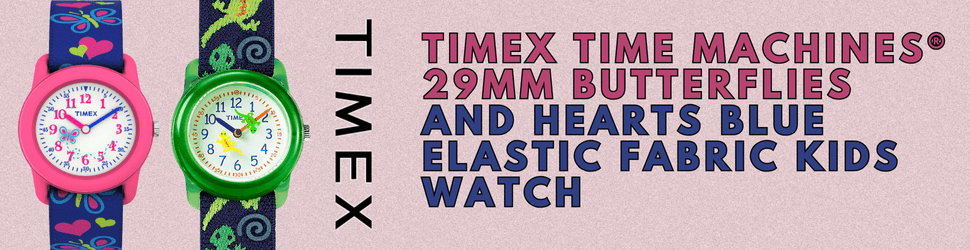
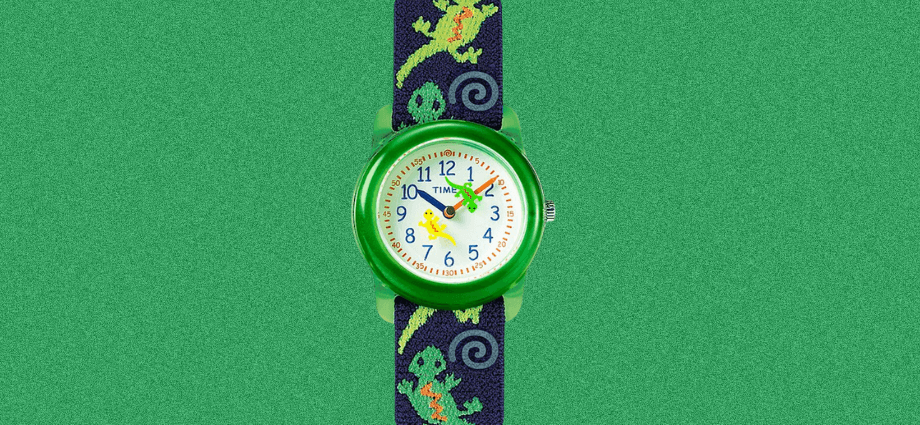
Timex is a reliable brand offering a variety of durable and affordable kids’ watches. Known for their simple yet stylish designs, Timex watches are available in both analog and digital formats, allowing kids to grow with their watch as they become more adept at telling time.
Garmin Bounce
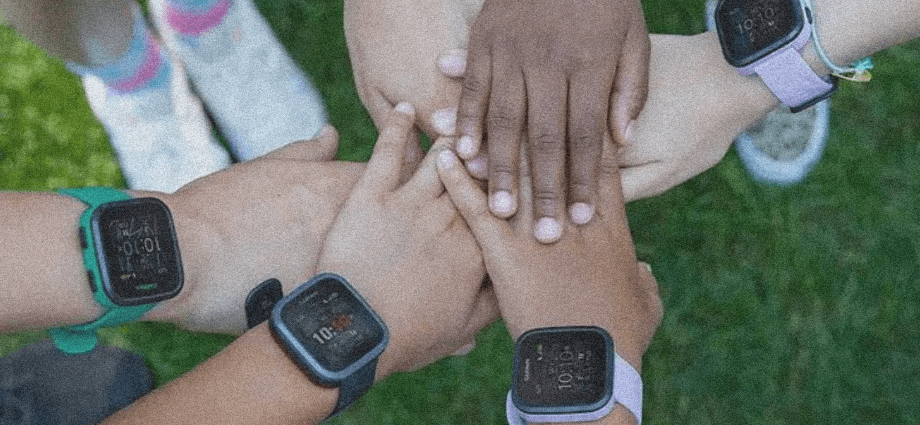
For more active kids, Garmin’s Bounce Smartwatch offers fitness tracking features in addition to telling time. It’s a great choice for children who are into sports, with the added bonus of encouraging healthy habits through activity tracking.
Fun and Interactive Ways to Teach Kids to Tell Time
Learning to tell time doesn’t have to be a boring task. Make the process fun with games, activities, and real-life practices that encourage kids to use their new watches.
Practice with Visual Aids
Using visual aids like clock charts, flashcards, or even apps can make learning time easier and more engaging. Pair these tools with the child’s watch to reinforce the concept.
- Use a paper clock to practice matching times with the watch.
- Create a time-telling game where the child matches activities with specific times on the clock.
Incorporate Time into Daily Routines
Encourage children to check their watch throughout the day. For example, ask them to check the time when it’s time to leave for school or when it’s time for lunch.
- Make it a habit for children to check their watch when transitioning between activities.
- Use their watch to count down to fun events, like a trip to the park.
Set Time-Based Goals
You can make time learning more engaging by using time-based goals. For instance, tell your child they can play for 10 minutes, and then check their watch to see when it’s time to stop.
- Use the watch to set short intervals for tasks, like “You can play for 15 minutes, then check your watch to start homework.”
- Help them understand the importance of managing time in everyday activities.
Conclusion
Teaching children to tell time can be an exciting and rewarding experience. With the right watch, learning becomes interactive and fun. Whether it’s a digital watch for younger children or a more advanced model for older kids, finding the right watch that suits your child’s needs and preferences is key. Invest in a watch that not only helps them learn to manage their time but also makes them feel confident and independent as they grow.