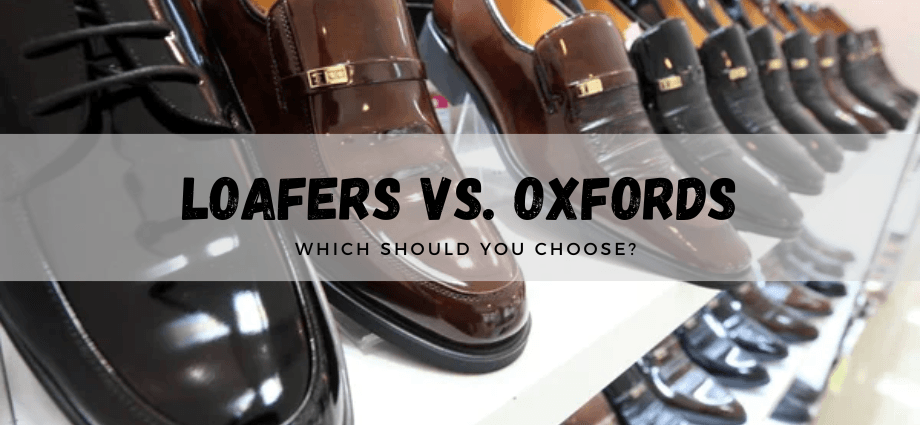
Loafers and Oxfords represent two distinct styles of footwear, each with its own charm and purpose. Loafers are celebrated for their ease and versatility, while Oxfords are synonymous with sophistication and formality. Deciding between them often depends on the occasion, outfit, and personal preference. Let’s explore their differences to help you make the right choice for your wardrobe and lifestyle.
Understanding Loafers and Oxfords
Before making a choice, it’s crucial to grasp the fundamental distinctions between these two iconic shoe styles. Each serves a different purpose and suits varying occasions, making it essential to understand what sets them apart.
What Are Loafers?
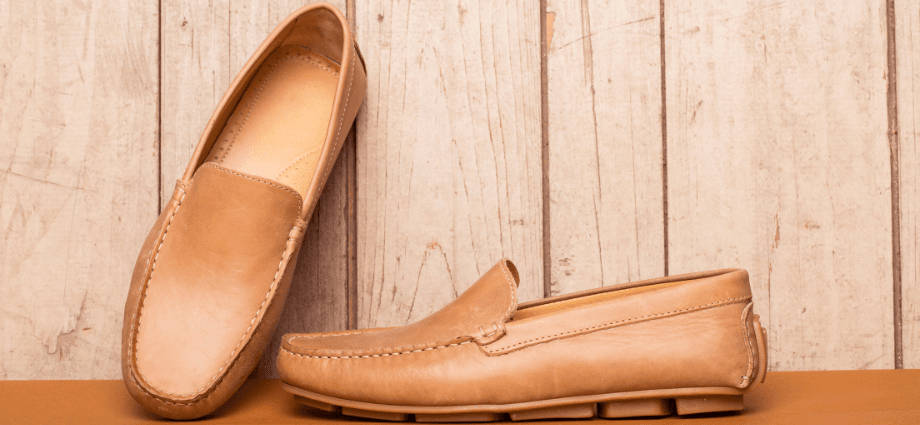
Loafers are slip-on shoes known for their combination of convenience and timeless style. Unlike lace-up shoes, loafers are designed without laces, allowing for effortless wearing and removal. Crafted in a variety of materials, including premium leather and soft suede, they are versatile enough to complement casual, smart-casual, and semi-formal outfits. Their minimalist design exudes a modern charm while maintaining a relaxed, approachable aesthetic. Whether paired with chinos for a day out or dressed up for a semi-formal gathering, loafers provide a perfect balance of comfort and elegance.
What Are Oxfords?
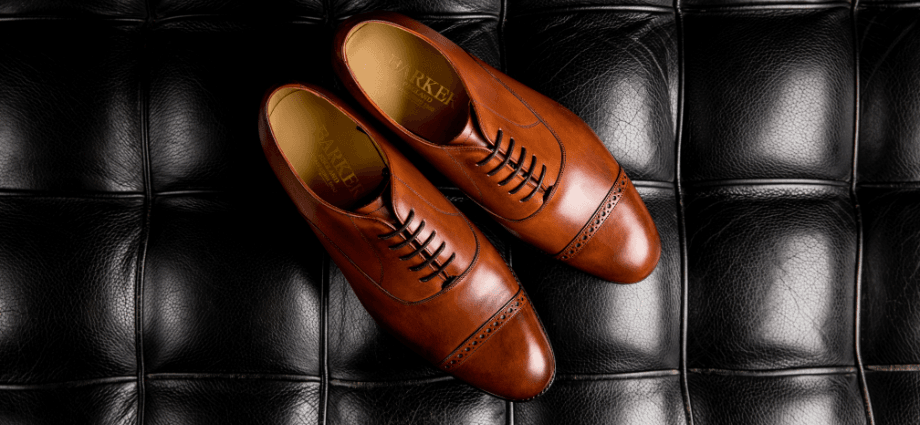
Oxfords, on the other hand, are classic lace-up shoes recognized for their structured and sophisticated appearance. Their defining feature is the closed lacing system, which enhances their sleek and polished look. Typically crafted from high-quality leather, Oxfords often feature a glossy or matte finish that elevates their formal appeal. These shoes are a staple for professional and formal occasions, seamlessly complementing tailored suits, tuxedos, or other formalwear. Their timeless elegance and attention to detail make Oxfords a symbol of refined taste and impeccable style.
Comparing Style and Versatility
Loafers and Oxfords each offer unique characteristics that add distinct flair to your wardrobe. Their versatility lies in their ability to adapt to different settings, making them staples for various occasions. Whether you are dressing for a formal event, a casual outing, or a smart-casual gathering, the choice between these two shoe styles allows you to express personal style while meeting the demands of the occasion. Understanding their individual strengths and how they complement different looks can help you strike the perfect balance between function and fashion.
Formality Level
The level of formality is a key factor when choosing between loafers and Oxfords. Oxfords represent the pinnacle of formal footwear, making them the ideal choice for occasions such as weddings, business meetings, or black-tie events. Their structured design and refined appearance perfectly complement suits, tuxedos, and other formal attire. Loafers, by contrast, are more suited to smart-casual and semi-formal settings. Depending on the design, loafers can adapt to a range of events, adding a touch of sophistication to casual outfits without appearing overly formal. Understanding the dress code of the event will help you make an informed decision.
Outfit Pairing
The versatility of loafers and Oxfords is also evident in how they pair with different outfits. Loafers are highly adaptable and work seamlessly with chinos, jeans, or blazers, offering a relaxed yet polished appearance. They are an excellent choice for achieving a stylish look with minimal effort. Oxfords, on the other hand, are designed to complement tailored suits and dress pants, enhancing the sharpness of professional or formal attire. When styled appropriately, both options have the power to elevate your overall outfit, making them invaluable additions to any wardrobe.
Seasonal Appropriateness
Seasonal considerations play a role in selecting the right shoe. Loafers, with their lightweight and breathable construction, are particularly well-suited for warmer seasons such as spring and summer. They offer comfort and ease in hot weather, making them a go-to choice for summer events. Oxfords, by comparison, provide greater coverage and are better suited for year-round use. They excel in colder months, offering both style and practicality. Factoring in seasonal needs ensures both comfort and suitability for the weather.
Comfort and Practicality
When choosing between loafers and Oxfords, comfort and ease of use are vital considerations that can significantly influence your decision. The right pair of shoes not only enhances your appearance but also ensures you feel at ease throughout the day. Assessing your specific needs, such as the level of activity, the duration of wear, and the setting, helps determine which shoe aligns better with your lifestyle. A balance between practicality and comfort ensures both style and functionality.
Ease of Use
Loafers and Oxfords differ significantly in terms of convenience. Loafers, with their slip-on design, are exceptionally easy to wear and remove, making them a practical choice for quick outings or situations where time is of the essence. This effortless wearability adds to their appeal for day-to-day activities or casual events. On the other hand, Oxfords are equipped with a lace-up closure, which, while offering a secure and snug fit, requires more effort and time to put on. If you prioritize simplicity and efficiency in your footwear, loafers are likely the better choice.
Comfort for Extended Wear
The level of comfort each shoe provides largely depends on its design and intended use. Loafers, known for their flexibility and relaxed construction, are ideal for casual settings or activities that involve moderate movement. Their unstructured design allows for greater freedom, making them a comfortable option for extended wear during informal occasions. Conversely, Oxfords are designed with a structured build that provides enhanced support and stability, making them more suitable for long formal events where maintaining a polished appearance is essential. When deciding between the two, consider the nature of your activities and the level of comfort you require to match your needs effectively.
Maintenance and Durability
Loafers are easy to clean but may wear out faster with frequent use, especially softer materials like suede. Oxfords, made from premium leather, are more durable and maintain their polished appearance with regular care, such as polishing and conditioning. Investing in high-quality materials for either style enhances longevity and ensures better resistance to wear over time.
Cost and Investment
Your budget and the importance you place on footwear value are essential considerations when deciding between loafers and Oxfords. Evaluating the cost and long-term benefits of each style ensures you make a purchase that aligns with your needs and lifestyle.
Price Range
The price of loafers and Oxfords spans a wide spectrum, catering to different budgets and preferences.
- Loafers: Typically more affordable, loafers are available in various price points, from casual everyday options to high-end premium designs made from luxurious materials. Examples include Clarks Men’s Step Urban Mix, Cole Haan Men’s Pinch Tassel Loafers, and Gucci Men’s Horsebit Leather Loafers.
- Oxfords: Often more expensive, Oxfords reflect their intricate craftsmanship and use of high-quality leather. Their polished design and attention to detail add to their higher price tag, making them an investment piece for those seeking formal footwear. Examples include Florsheim Men’s Montinaro Oxford, Allen Edmonds Men’s Park Avenue Cap-Toe Oxford, and Church’s Shannon Leather Oxford Shoes.
Despite the differences, both loafers and Oxfords offer options suitable for varying financial plans, allowing you to choose based on your budget and priorities.
Value for Money
The value of your purchase largely depends on how you plan to use the shoes. Loafers offer practicality and versatility, making them an excellent option for daily wear and casual to semi-formal occasions. Oxfords, on the other hand, are a worthwhile investment for formal events and professional environments where a polished appearance is essential.
Selecting footwear based on how often and in what settings you’ll wear them ensures you get the best value for your money.
Long-Term Wearability
The durability of the shoes also impacts their cost-effectiveness. Premium versions of both loafers and Oxfords are made with superior materials and craftsmanship, which significantly enhances their lifespan.
High-quality loafers, although less formal, can withstand frequent wear if maintained properly. Oxfords, with their structured design and durable leather, are built to last and maintain their refined appearance over time. While premium options require a larger upfront cost, they often prove more economical in the long term by resisting wear and tear and reducing the need for frequent replacements.
How to Decide Which to Choose
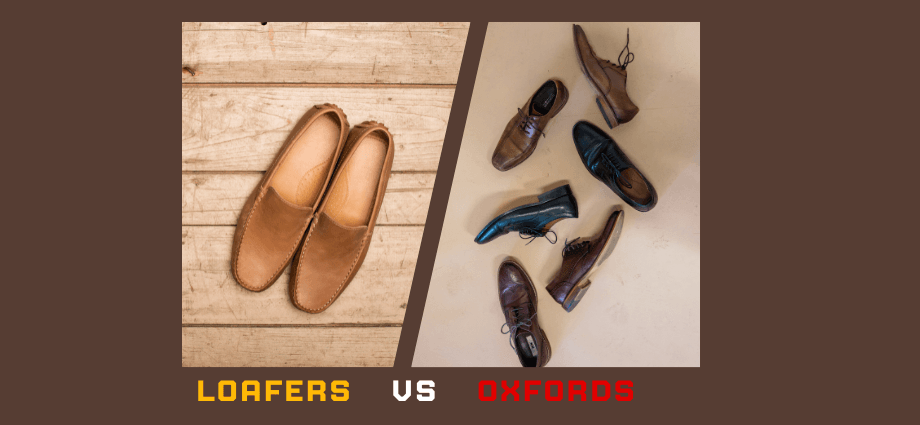
Finding the right shoe involves understanding your needs and matching them to the unique qualities of loafers and Oxfords.
Consider the Occasion
The setting plays a critical role in determining the appropriate footwear. Oxfords are ideal for formal events like weddings, corporate meetings, and black-tie affairs, where a sophisticated and polished look is necessary. Their structured design and sleek appearance make them a perfect complement to suits and tuxedos. Loafers, however, are better suited for more relaxed environments, such as casual outings, summer gatherings, or smart-casual occasions. Their versatility and easygoing design make them a practical choice for less formal settings. Choosing shoes based on the event ensures your footwear aligns seamlessly with the occasion’s dress code.
Assess Your Style Preferences
Your personal style is another important factor in making a choice. Loafers are well-suited for those who prefer a contemporary, relaxed aesthetic. Their minimalist and versatile design allows them to pair effortlessly with a variety of outfits, from chinos to blazers. Oxfords, in contrast, are synonymous with timeless elegance and are perfect for those who appreciate classic, refined fashion. Their polished look adds a sense of sophistication to formal attire. Selecting shoes that match your wardrobe and personal style enhances your overall appearance and ensures you feel confident in your choice.
Prioritize Comfort and Practicality
Comfort and practicality are essential for daily wear. Loafers provide ease and flexibility, thanks to their slip-on design and relaxed fit, making them ideal for casual and semi-formal settings. Oxfords, with their structured build and lace-up closure, offer better support and stability, making them more suitable for formal occasions or long hours of wear. Identifying your priorities, such as convenience for everyday use or support for formal events, helps you choose footwear that meets your functional needs while complementing your lifestyle.
Conclusion
Loafers and Oxfords each bring distinct qualities to men’s footwear. Loafers are modern, versatile, and ideal for casual and semi-formal settings, while Oxfords exude classic elegance and are perfect for formal occasions. The choice between them depends on your lifestyle, the occasion, and your personal style preferences. Investing in high-quality versions of either ensures both durability and style. By considering the factors outlined in this guide, you can confidently choose the right pair for any outfit or event.