Finding the right running shoes, including the correct shoe size, can make all the difference in your performance and comfort. Ill-fitting shoes not only cause discomfort but can also negatively impact your running posture and efficiency, making it essential to choose the right size for optimal support. Whether you’re training for a marathon, hitting the trails, or jogging around your neighborhood, the perfect pair of running shoes provides the support, cushioning, fit, and size you need. To help you select the best fit, below is a chart for the shoe size guide.
| US Size | UK Size | EU Size | CM | Inches |
|---|---|---|---|---|
| 4 | 3.5 | 35.5 | 23.1 | 9.1″ |
| 4.5 | 4 | 36 | 23.5 | 9.2″ |
| 5 | 4.5 | 37 | 23.8 | 9.3″ |
| 5.5 | 5 | 37.5 | 24.1 | 9.5″ |
| 6 | 5.5 | 38 | 24.5 | 9.6″ |
| 6.5 | 6 | 38.5 | 24.8 | 9.7″ |
| 7 | 6.5 | 39 | 25.1 | 9.8″ |
| 7.5 | 7 | 40 | 25.4 | 10″ |
| 8 | 7.5 | 41 | 25.7 | 10.1″ |
| 8.5 | 8 | 42 | 26 | 10.2″ |
| 9 | 8.5 | 43 | 26.3 | 10.3″ |
| 9.5 | 9 | 43.5 | 26.7 | 10.5″ |
| 10 | 9.5 | 44 | 27 | 10.6″ |
| 10.5 | 10 | 44.5 | 27.3 | 10.7″ |
| 11 | 10.5 | 45 | 27.6 | 10.8″ |
| 11.5 | 11 | 45.5 | 27.9 | 11″ |
| 12 | 11.5 | 46 | 28.3 | 11.1″ |
| 12.5 | 12 | 46.5 | 28.6 | 11.2″ |
| 13 | 12.5 | 47 | 28.9 | 11.3″ |
| 13.5 | 13 | 47.5 | 29.2 | 11.5″ |
Key Features of the Best Running Shoes
Running shoes are thoughtfully engineered with specific features that enhance comfort, boost performance, and ensure long-lasting durability. These features are not just about aesthetics but are carefully designed to support various running styles, foot types, and terrains. High-quality running shoes combine advanced cushioning technologies to reduce joint stress, breathable materials to keep your feet cool and dry, and durable soles for reliable traction on different surfaces. Whether you’re a beginner or a seasoned runner, understanding these essential elements is crucial for finding the perfect pair that complements your stride and keeps you comfortable during every run.
Cushioning and Support
Cushioning plays a vital role in absorbing shock and reducing stress on your joints. It provides comfort, especially for long-distance runners, by minimizing the impact on your body. Proper cushioning helps reduce the risk of injuries like shin splints and is particularly beneficial for runners with high arches or joint issues. Ultimately, it enhances the running experience by lowering fatigue and offering greater comfort during each stride.
Breathability and Materials
Breathable materials are essential for keeping your feet cool and dry, contributing to overall comfort. Mesh uppers allow airflow, which helps keep your feet ventilated during runs, while lightweight materials reduce strain and boost speed. Moisture-wicking linings prevent sweat from building up. Choosing shoes with breathable materials is key to ensuring comfort, particularly during long runs or in hot weather conditions.
Sole Design and Traction
The design of the sole significantly impacts stability and grip. Durable rubber outsoles are built to withstand wear and tear, while grooved soles offer better traction on wet or uneven surfaces. Flexible midsoles allow for natural movement, enhancing your stride. The right sole design is crucial for ensuring safety and adaptability, especially when navigating various terrains.
Types of Running Shoes for Different Needs
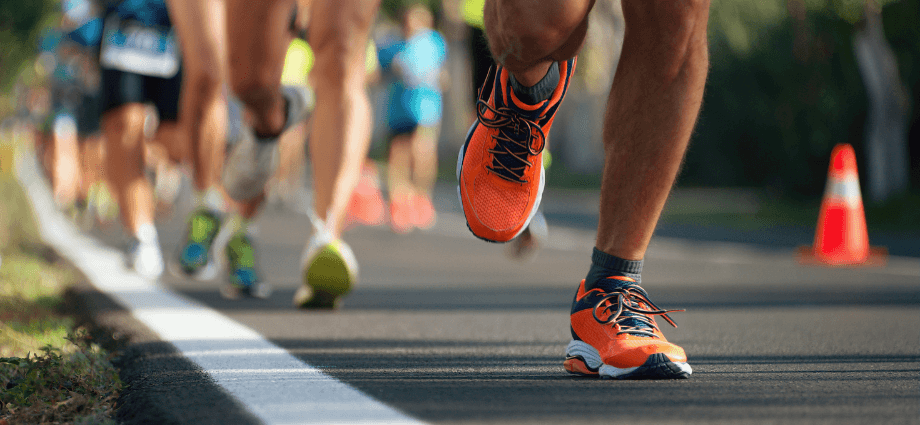
Running shoes are designed in a variety of styles to cater to the diverse needs of runners, ensuring optimal performance and safety across different activities and terrains. Each type is built with specialized features to support specific running environments and individual preferences. Whether you’re pounding the pavement in the city, tackling rugged trails, or seeking extra stability for your gait, there’s a perfect shoe type for every need. Understanding these categories helps you choose footwear that aligns with your running style and enhances your overall experience.
Road Running Shoes
Road running shoes are ideal for paved surfaces and urban environments. Their lightweight construction reduces fatigue while enhanced cushioning absorbs shock on hard surfaces. With minimal treads, these shoes provide smooth traction on roads. They’re perfect for runners who stick to pavements and light trails.
Trail Running Shoes
Trail running shoes are built for rugged terrains and off-road adventures. They feature thick outsoles with deep lugs for superior grip, and reinforced materials that protect feet from rocks and debris. Waterproof options keep feet dry in wet conditions, making these shoes essential for runners who venture off the beaten path
Stability and Motion Control Shoes
Stability and motion control shoes cater to runners with specific gait needs, such as overpronation. Stability shoes offer extra arch support, while motion control shoes reduce excessive inward foot rolling. These types provide a balanced stride, reducing injury risks, and ensuring proper alignment and support during runs.
Top Brands and Models for Men’s Running Shoes
Several leading brands dominate the running shoe market with a variety of models tailored to different running styles and needs. Here’s an overview of the top brands and their standout features, along with more product options for each.
Nike
Nike is celebrated for its innovation and performance-focused designs. Known for integrating advanced technologies like ZoomX foam, React cushioning, and Flyknit uppers, Nike running shoes offer unparalleled energy return, comfort, and support. From casual runners to elite athletes, Nike provides options for everyone. Popular models include:
- Nike Air Zoom Pegasus: A versatile shoe with balanced cushioning, great for everyday training.
- Nike React Infinity Run Flyknit: Designed to minimize injury risk with a supportive, stable structure.
- Nike ZoomX Vaporfly NEXT%: A marathon-ready shoe with a carbon-fiber plate and exceptional energy return.
- Nike Free RN 5.0: Lightweight and flexible, ideal for short runs or natural running enthusiasts.
- Nike Wildhorse 7: A trail running shoe with durable traction and cushioned support for off-road adventures.
- Nike ZoomX Invincible Run: Features plush cushioning and a wide sole for added stability during long-distance runs.
Adidas
Adidas combines cutting-edge technology with stylish designs to create running shoes that excel in comfort, responsiveness, and durability. Boost technology, known for its superior energy return, is a standout feature in many Adidas models. Popular options include:
- Adidas Ultraboost 22: A top-tier shoe offering plush cushioning and a Primeknit upper for a sock-like fit.
- Adidas Adizero Adios Pro: A lightweight shoe designed for speed, with carbon-infused Energyrods for propulsion.
- Adidas Solar Glide: Built for long-distance running, featuring responsive cushioning and a supportive fit.
- Adidas Terrex Speed Ultra: A trail running shoe with superior grip and lightweight construction for rugged terrains.
- Adidas 4DFWD: Incorporates a 3D-printed midsole for a unique balance of cushioning and energy return.
- Adidas SL20: A versatile, budget-friendly shoe that offers a lightweight feel and responsive midsole.
Asics
Asics has a strong reputation for prioritizing comfort, durability, and support. Its signature Gel technology absorbs shock effectively, making Asics shoes a favorite among long-distance runners and those with specific gait needs. Popular models include:
- Asics Gel-Kayano 30: Known for its exceptional stability and arch support, perfect for overpronators.
- Asics Gel-Nimbus 25: Offers plush cushioning and a breathable upper, ideal for marathon training.
- Asics GT-2000 11: A reliable stability shoe with a supportive fit for moderate overpronators.
- Asics Gel-Cumulus 25: Versatile and durable, designed for neutral runners seeking comfort over long distances.
- Asics Novablast 3: A lightweight, bouncy shoe ideal for tempo runs and everyday training.
- Asics Trabuco Max: A trail running shoe with enhanced grip and cushioning for rough terrains.
Each brand offers a diverse range of products to meet the unique demands of different runners, ensuring there’s a perfect pair for every individual, from daily trainers to performance-driven racers.
How to Choose the Right Running Shoes
Selecting the right running shoes is essential for maximizing comfort, improving performance, and reducing the risk of injuries. The decision goes beyond style and brand—it involves understanding your unique needs, including your foot type, running style, and the surfaces you frequently run on.
Know Your Foot Type
Understanding your foot shape is essential for choosing the right support. Flat feet require stability or motion control shoes, while neutral arches work well with neutral cushioned shoes. High arches benefit from extra cushioning and flexibility. A gait analysis at a running store can help identify your foot type.
Match Shoes to Terrain
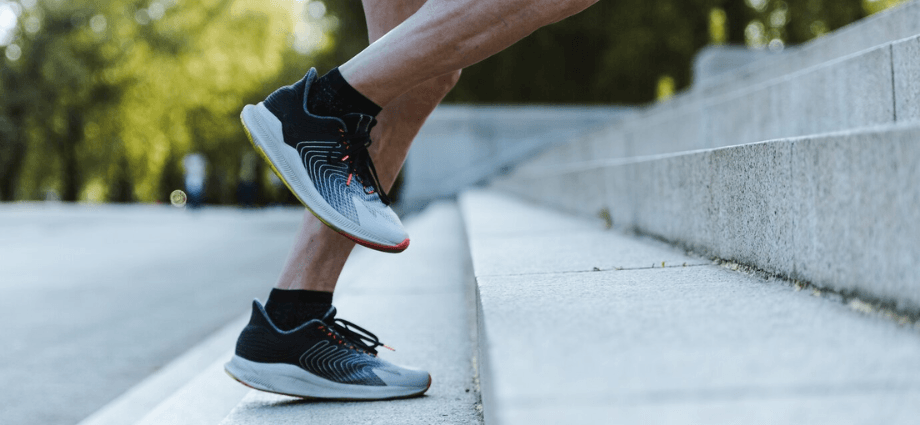
Running shoes should match the surfaces you run on. Road running shoes are ideal for pavements and smooth paths, while trail shoes are best for uneven, muddy, or rocky trails. Hybrid options are great for mixed terrains. Matching your shoes to the terrain improves safety and performance.
Test Fit and Comfort
Proper fit is crucial for comfort and injury prevention. Try shoes on in the evening when feet are slightly swollen, and leave a thumb’s width of space between your toes and the front of the shoe. Walk or jog in the store to test fit and comfort. The right fit ensures your shoes feel great from the first run.
Regular Cleaning
Regular cleaning is essential to maintain the condition and performance of your running shoes while preventing wear and odor. After each run, remove dirt and debris using a soft brush to prevent buildup that can degrade the materials. For surface cleaning, use a damp cloth to gently wipe away stains or marks, avoiding harsh scrubbing that might damage the fabric. To preserve the integrity of the materials, steer clear of machine washing, which can weaken adhesives and alter the shoe’s shape. Consistent care keeps your shoes looking fresh and ensures they perform optimally over time.
Proper Storage
Proper storage of shoes is key to preventing damage. Store them in a cool, dry place to avoid moisture buildup, and keep them out of direct sunlight, which can weaken materials. Using shoe bags adds extra protection during travel. Correct storage practices ensure your shoes last longer.
Replacing Worn-Out Shoes
Running shoes wear out after extended use and should be replaced after 300-500 miles of running. Check for signs of wear, such as thinning soles or discomfort, as using worn-out shoes increases the risk of injury. Timely replacements keep your runs safe and comfortable.
Conclusion
Choosing the best men’s running shoes for comfort and performance is essential for a better running experience. Key features like cushioning, breathability, and sole design ensure comfort and safety, while different shoe types cater to various terrains and needs. By selecting shoes that match your foot type and running style and maintaining them properly, you can enhance your runs and extend the life of your footwear. Invest in quality running shoes to make every step count.