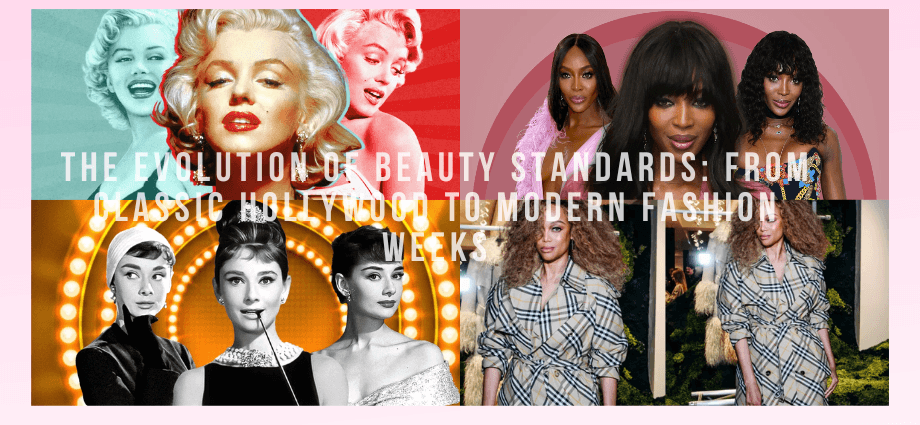
Beauty standards have evolved dramatically over the decades, influenced by culture, media, and societal changes. From the glamour of Hollywood’s golden age to today’s diverse and inclusive fashion weeks, the concept of beauty has always reflected the spirit of the times. Understanding this evolution helps us appreciate the broader definitions of beauty and individuality embraced today.
The Golden Age of Hollywood and Its Beauty Icons
The 1930s to 1950s marked a transformative era when Hollywood defined beauty for millions worldwide.
Characteristics of Classic Hollywood Beauty
Classic Hollywood beauty was defined by timeless elegance and femininity. The ideal look featured hourglass figures with cinched waists, soft and wavy hair, and flawless, glowing skin. Red lips and perfectly arched eyebrows added a touch of sophistication, completing the iconic style of the era.
Iconic Figures of the Era
Hollywood actresses became beauty icons and set unattainable standards:
- Marilyn Monroe: Known for her blonde curls, sultry red lips, and curvaceous figure.
- Audrey Hepburn: Celebrated for her petite frame, doe eyes, and timeless style.
These women embodied the aspirational beauty of their time, influencing generations to follow.
Hollywood’s Role in Standardizing Beauty
Hollywood’s films and advertisements reinforced a singular vision of beauty. This focus on perfection often sidelined diversity, creating an unrealistic standard that dominated for decades.
The Rise of Supermodels in the 80s and 90s
The 1980s and 1990s saw a shift as supermodels became the new beauty icons.
The Shift to Athletic Beauty
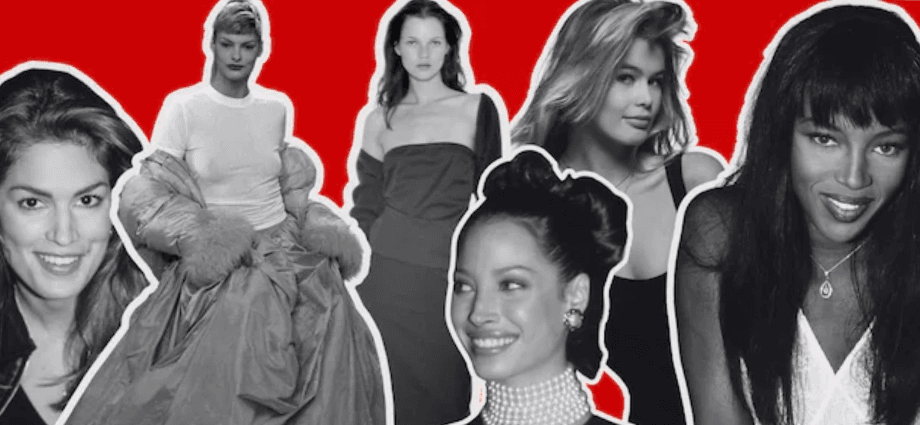
Supermodels introduced a dynamic and empowered aesthetic that redefined beauty standards. Toned, athletic bodies became the new ideal, complemented by bold makeup and high-energy fashion. Runways celebrated vibrant and confident personalities, making individuality a key feature of this era.
Diversity in Representation
For the first time, beauty became more diverse and global:
- Supermodels like Naomi Campbell, Iman, and Tyra Banks shattered barriers, representing different ethnicities.
- Fashion houses began to experiment with varied aesthetics, including grunge and minimalism.
This shift paved the way for broader representation in beauty and fashion.
Media’s Role in Popularizing Supermodels
Media amplified the rise of supermodels through:
- Magazine covers: Supermodels dominated publications like Vogue and Harper’s Bazaar.
- Television ads: Campaigns featured them as household names, creating a connection with global audiences.
Supermodels became celebrities in their own right, further shaping beauty ideals.
Modern Fashion Weeks and Inclusive Beauty
Fashion weeks today reflect a more inclusive and diverse beauty narrative.
The Move Toward Inclusivity
Modern runways now embrace a broader spectrum of beauty, celebrating models of all body types, including plus-size and petite. Representation across diverse ethnicities and ages has become standard, while gender-fluid fashion challenges traditional norms and redefines inclusivity.
Digital Media and the Democratization of Beauty
Modern runways have transformed to celebrate a broader and more inclusive spectrum of beauty, breaking away from traditional norms. Models of all body types, including plus-size, petite, and everything in between, are now prominently featured, highlighting the diversity of shapes and sizes. Representation has also expanded across ethnicities and age groups, ensuring that beauty is no longer confined to a single standard. Additionally, gender-fluid fashion has emerged as a powerful movement, challenging conventional definitions of masculinity and femininity. This shift reflects a growing commitment to inclusivity and the celebration of individuality in the fashion world.
Criticism and Push for Authenticity
While inclusivity in beauty and fashion has made significant strides, criticism persists regarding the industry’s impact on self-image. Unrealistic photo editing and social media filters continue to create unattainable beauty standards, fueling insecurities. However, a growing movement emphasizes natural beauty and prioritizes mental well-being, advocating for a healthier approach to self-perception. In response, many brands are shifting their focus to campaigns that promote authenticity and self-care, aiming to empower individuals and foster a more positive relationship with beauty ideals.
The Future of Beauty Standards
As society continues to evolve, beauty standards are likely to follow suit, prioritizing individuality and sustainability.
Sustainability and Ethical Beauty
Eco-consciousness is now playing a significant role in shaping modern beauty trends. Cruelty-free and vegan products are no longer niche but have become mainstream choices for many consumers. Sustainable fashion practices, such as using recycled materials and ethical production methods, are gaining traction as people prioritize environmental responsibility. Additionally, minimalism in beauty routines is increasingly valued for its ability to reduce waste, encouraging a shift toward simplicity and mindful consumption in the pursuit of beauty.
Consumers are increasingly choosing ethical options that align with their values.
The Role of AI and Technology
Technology is revolutionizing beauty:
- AI-powered personalization: Tailored skincare and makeup solutions.
- Virtual try-ons: Allow consumers to experiment with looks before purchasing.
- Augmented reality: Enhances shopping experiences, making beauty more accessible.
These advancements make beauty more inclusive and innovative.
Celebrating Individuality
The future of beauty is shifting towards confidence and self-expression, moving away from the confines of traditional standards. Unique features, once overlooked or dismissed, are now celebrated as integral to individual beauty. This change is fueled by movements promoting self-love and encouraging people to embrace their flaws as part of their authentic selves. Instead of chasing fleeting trends, the emphasis is on personal style and the freedom to express one’s individuality. Beauty is increasingly being defined as a deeply personal and empowering journey, where self-assurance and authenticity take center stage.
Conclusion
The evolution of beauty standards reveals the changing values and priorities of society. From Hollywood glamour to the inclusivity of modern fashion weeks, beauty has transformed into a celebration of diversity and individuality. By embracing authenticity, sustainability, and self-expression, we can create a future where everyone feels empowered to define their beauty on their own terms.