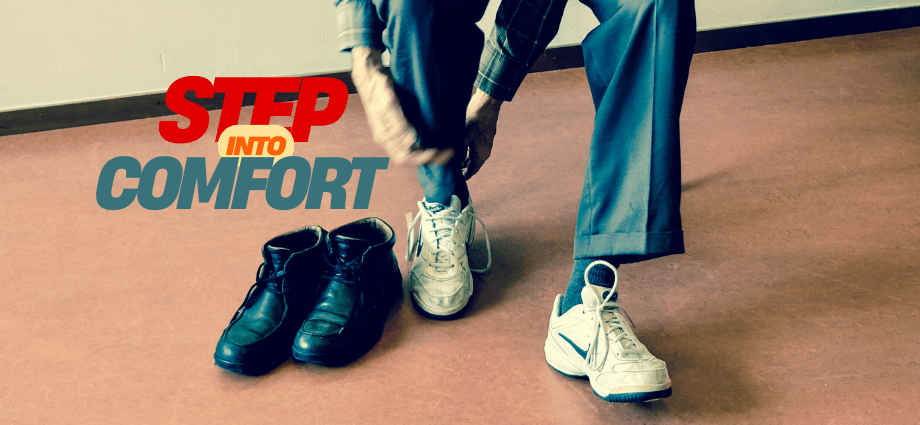
Breaking in new shoes shouldn’t mean walking through days of discomfort. Whether it’s stiff materials, an incorrect fit, or a lack of flexibility, the struggle with new footwear is real—but avoidable. By understanding the causes behind the pain and following practical tips to ease the process, you can transition to comfort with ease.
Understanding Why New Shoes Hurt
New shoes often feel uncomfortable at first because they require time to adapt to the unique shape and movement of your feet. By understanding and addressing the underlying reasons for this discomfort, you can make the break-in process smoother and enjoy wearing your new shoes without unnecessary pain.
Stiff Materials
Rigid materials like leather, suede, or certain synthetics are common in new shoes. These materials need time to soften and conform to your feet. Plastic components, often found in heels or formal shoes, add extra pressure, while stiff soles restrict natural foot movement.
To ease stiffness, consider softening the material with a leather conditioner or stretching spray. For synthetic shoes, gently flex the shoes by hand to loosen up tight areas.
Incorrect Fit
Shoes that are too tight or loose can create unnecessary friction and pressure. Tight shoes often lead to blisters, while loose ones cause rubbing and instability. Narrow toe boxes can compress your toes, causing discomfort over time. To avoid these issues, it’s important to choose the correct size for your feet. You can check your correct size using the table below, which provides accurate sizing measurements for men. Opt for shoes that fit well at the outset, and consider brands offering half sizes or wide-width options, such as Clarks or ECCO, to ensure a better fit.
| US Size | UK Size | EU Size | CM | Inches |
|---|---|---|---|---|
| 4 | 3.5 | 35.5 | 23.1 | 9.1″ |
| 4.5 | 4 | 36 | 23.5 | 9.2″ |
| 5 | 4.5 | 37 | 23.8 | 9.3″ |
| 5.5 | 5 | 37.5 | 24.1 | 9.5″ |
| 6 | 5.5 | 38 | 24.5 | 9.6″ |
| 6.5 | 6 | 38.5 | 24.8 | 9.7″ |
| 7 | 6.5 | 39 | 25.1 | 9.8″ |
| 7.5 | 7 | 40 | 25.4 | 10″ |
| 8 | 7.5 | 41 | 25.7 | 10.1″ |
| 8.5 | 8 | 42 | 26 | 10.2″ |
| 9 | 8.5 | 43 | 26.3 | 10.3″ |
| 9.5 | 9 | 43.5 | 26.7 | 10.5″ |
| 10 | 9.5 | 44 | 27 | 10.6″ |
| 10.5 | 10 | 44.5 | 27.3 | 10.7″ |
| 11 | 10.5 | 45 | 27.6 | 10.8″ |
| 11.5 | 11 | 45.5 | 27.9 | 11″ |
| 12 | 11.5 | 46 | 28.3 | 11.1″ |
| 12.5 | 12 | 46.5 | 28.6 | 11.2″ |
| 13 | 12.5 | 47 | 28.9 | 11.3″ |
| 13.5 | 13 | 47.5 | 29.2 | 11.5″ |
Lack of Flexibility
New shoes often lack flexibility, making movement uncomfortable. Stiff soles don’t bend naturally with your foot, and upper materials may not stretch enough to accommodate foot movements. This rigidity causes pressure and pain during extended wear. Understanding these factors helps you address discomfort more effectively.
Preparing Your Shoes Before Wearing Them
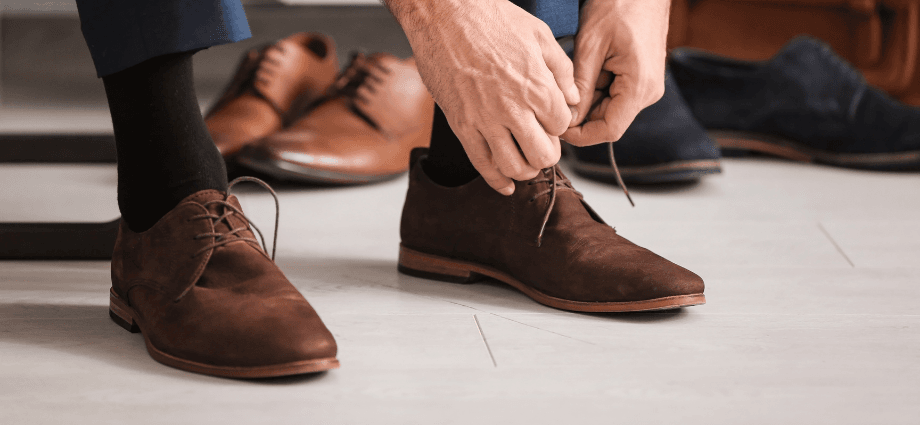
Preparing your shoes before wearing them is an important step to reduce discomfort. It helps the materials soften and adjust to the shape of your feet. Simple preparation techniques can make a significant difference in how the shoes feel. These steps also shorten the break-in period, saving you from unnecessary pain. With proper preparation, you can enjoy your new shoes much sooner.
Softening Stiff Materials
Leather conditioners, such as Kiwi Mink Oil, and stretching sprays like FootMatters Shoe Stretch Spray can soften materials effectively. For synthetic shoes, massaging the upper area can help improve flexibility.
Using Shoe Stretchers
Invest in an adjustable shoe stretcher like the HOUNDSBAY Cedar Shoe Stretcher to expand tight areas. These tools can target specific spots, such as bunions, and work overnight to loosen problem areas without damaging the material.
Loosening Laces or Straps
Adjusting laces or straps can make your shoes more comfortable. Loosen laces slightly to create extra room, and avoid tightening straps too much, which can create pressure. Ensure the fit is snug but not restrictive. Prepping your shoes minimizes initial discomfort during wear.
Gradual Methods to Break in Shoes
Taking gradual steps is one of the best ways to break in new shoes comfortably. This method allows the shoes to slowly adapt to the shape of your feet over time. By easing into wearing them, you can avoid unnecessary pain and discomfort. Gradual techniques are especially useful for stiff or tight shoes that need more time to loosen up. With patience and the right approach, your shoes will become more comfortable with each wear.
Wear Them Indoors First
Start by wearing your shoes indoors for short periods, using them around the house for 30 minutes to an hour each day. Gradually increase the duration as they begin to adjust. This method allows the shoes to mold to your feet slowly while protecting them and making them more comfortable.
Use Thick Socks
Thick socks can help stretch shoes and reduce friction. Pair your shoes with thick or padded socks for added cushioning, or double up socks for extra stretch and protection. This method works well for breaking in leather or tight-fitting shoes, providing both comfort and functionality during the break-in process.
Alternate with Old Shoes
Rotating between new and old shoes prevents prolonged discomfort. Wear new shoes for a few hours each day and switch to a comfortable, broken-in pair for the rest of the day. This method reduces the strain on your feet, ensuring gradual adjustment without unnecessary pain.
Quick Fixes for Stubborn Shoes
If your new shoes remain uncomfortable, quick fixes can provide immediate relief. These methods target problem areas to reduce pain and improve fit. Simple adjustments can address persistent stiffness or tightness effectively. Using these fixes ensures you can enjoy your shoes without enduring extended discomfort. They are especially helpful for stubborn shoes that don’t adjust easily.
Using Heat
Using heat can soften stiff materials and make shoes more flexible. Apply mild heat to tight areas with a hairdryer for a few minutes, then wear thick socks and move your feet to shape the material. Avoid overheating, which can damage the material. This method works well for leather and synthetic shoes.
Freezing for Tight Shoes
Freezing helps stretch tight shoes gently. Fill a plastic bag with water and seal it securely, place the bag inside the shoes, and freeze them overnight. The expanding ice stretches the material without causing damage, making this technique ideal for shoes made of non-leather materials.
Cushions and Inserts
Inserts can provide immediate comfort while breaking in shoes. Use gel inserts or foam pads to relieve pressure points, and heel liners to prevent slipping and reduce friction at the back of the shoe. Arch supports improve overall comfort and stability. These quick fixes make stubborn shoes more wearable
Preventing Pain While Breaking in Shoes
Taking preventive measures is essential to ensure a pain-free experience while breaking in new shoes. These steps protect your feet and help you avoid discomfort, blisters, and long-term issues.
Protect Your Feet
Protecting your feet from friction and pressure points is the first step to prevent pain during the break-in process. Applying blister prevention balms, such as Body Glide Foot Glide, or using adhesive pads in vulnerable areas like the heels or toes can help create a barrier against irritation. Moisture-wicking socks are another excellent choice, as they reduce sweating and friction, which are common causes of blisters. For additional comfort, choose socks with padding in key areas, such as the heel and ball of the foot. These small adjustments can significantly reduce the risk of blisters and irritation, making the process much more manageable.
Monitor Discomfort
Paying attention to your feet during the break-in period is critical to preventing injuries. If you notice persistent pain or discomfort, stop wearing the shoes immediately to avoid worsening the problem. Continuing to wear ill-fitting or tight shoes can lead to more serious issues, such as blisters, corns, or even long-term foot problems. For shoes that remain uncomfortably tight despite your efforts, consider professional stretching services, which can expand the material safely without causing damage. Always ensure the shoes fit correctly before resuming wear, as monitoring discomfort is a proactive way to maintain healthy feet.
Invest in Quality
Investing in high-quality footwear makes the break-in process smoother and more comfortable. Shoes made with soft, durable materials are designed to provide better support and adapt more easily to your feet. Look for reputable brands known for their craftsmanship, such as ECCO, Clarks, or Cole Haan, which prioritize both comfort and durability. Avoid opting for cheaper shoes that may compromise fit and quality, as they are more likely to cause discomfort and require a longer break-in period. By choosing well-made shoes, you’ll not only enjoy better comfort but also save time and effort in breaking them in.
Conclusion
Breaking in new shoes doesn’t have to be a painful experience. By understanding why shoes hurt initially, preparing them before wear, and using gradual or quick fixes, you can ensure a comfortable transition. Protecting your feet and investing in quality shoes further enhances the experience. With these tips, you can enjoy your new footwear without the discomfort, making every step a confident and pain-free one.