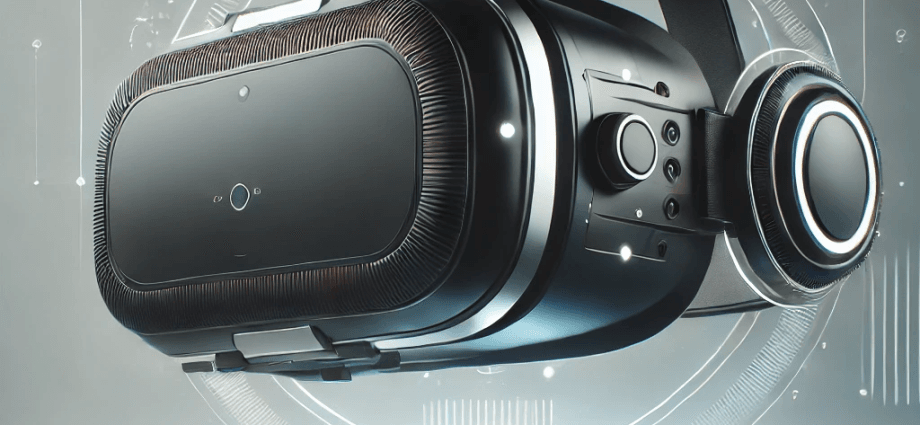
Virtual Reality (VR) technology has come a long way over the last decade. Initially a concept limited to gaming and high-tech experiments, VR is now a practical tool used in various industries, including education, healthcare, and entertainment. Among the most talked-about developments in the VR world are standalone headsets. These headsets don’t need to be connected to a PC or console to function, making them more accessible and portable than traditional tethered systems. But the big question remains: are standalone VR headsets the future of VR technology?
In this article, we’ll explore what standalone VR headsets are, their benefits and limitations, how they are transforming the gaming experience, and what the future holds for this innovative technology.
Understanding Standalone VR Headsets
What are Standalone VR Headsets?
Standalone VR headsets are self-contained devices that don’t require a computer or gaming console to function. Unlike traditional VR headsets that need to be connected to an external device, standalone headsets have built-in processors, graphics chips, and storage. This makes them completely wireless, providing users with more freedom and mobility while using the device.
These headsets are typically smaller, lighter, and more user-friendly, as they don’t need complex setups or additional equipment to operate.
Key Features of Standalone VR Headsets
- Wireless Experience: Standalone VR headsets are completely wireless, offering a cable-free experience.
- Built-in Processing: They come with integrated processors, which means no need for an external computer or console.
- Portability: Smaller and lighter than tethered headsets, standalone devices are easy to transport and use anywhere.
- Affordability: They tend to be cheaper because they don’t require expensive external hardware, making them accessible to a larger audience.
Some popular examples of standalone VR headsets include the Oculus Quest 2 and Meta Quest 3, which have gained widespread attention for their ease of use and impressive performance.
Enhanced User Experience
One of the key selling points of standalone VR headsets is how easy they are to use. The user interface is typically intuitive, with simple menus and easy navigation.
- Quick Setup: You don’t need to install complex software or hook up cables to a PC.
- Beginner-Friendly: The simplicity of standalone devices makes them ideal for first-time VR users.
- Minimal Maintenance: Since standalone headsets are self-contained, they require less maintenance compared to tethered VR setups that might need software updates or hardware upgrades.
Standalone headsets remove many of the barriers that can make VR intimidating, offering a more straightforward and enjoyable experience.
Limitations of Standalone VR Headsets

Despite the clear advantages, standalone VR headsets are not without their limitations.
Lower Performance Compared to Tethered Systems
- Processing Power: Standalone headsets, while impressive for their size, cannot match the performance of high-end tethered systems. They typically feature less powerful processors and graphic chips, which limits their ability to run complex games and simulations at high quality.
- Graphics and Resolution: While standalone headsets provide good visuals, they often have lower resolution and less detailed graphics compared to tethered headsets.
- Complex Applications: High-end VR applications, such as advanced simulations and certain professional tools, may not be fully supported on standalone devices due to performance restrictions.
For VR enthusiasts who want the best possible experience in terms of graphics and performance, tethered systems remain the preferred option.
Limited Content and Compatibility
Another drawback of standalone headsets is the limited library of VR content available.
- Fewer Game Titles: While there are plenty of VR games available, some high-end VR games may not be compatible with standalone devices.
- Limited Apps and Features: Some professional VR applications may require more processing power than standalone devices can provide.
- Compatibility Issues: Standalone headsets may not be compatible with all VR platforms or older VR content, limiting what users can experience.
However, the content ecosystem for standalone VR is growing, with more developers creating experiences that work well with these systems.
Battery Life and Comfort Issues
- Shorter Battery Life: The battery life of standalone VR headsets can be a limitation, with most offering around 2-3 hours of playtime before needing to be recharged.
- Comfort: While standalone headsets are more portable, they can also be heavier or less comfortable for extended use, especially for people who wear glasses.
- Heat Build-up: Some users may experience discomfort from heat buildup, especially during longer gaming sessions.
Despite these issues, many VR manufacturers are working to improve both the battery life and comfort level of their headsets.
Advantages of Gaming on Standalone Headsets
- Wireless Freedom: Play without worrying about tripping over cords or being restricted by the length of cables.
- Affordability: Standalone headsets are more affordable than gaming PCs or consoles, making VR gaming more accessible to a wider audience.
- Quick Setup and Convenience: Get into the game faster with less setup time, making it easier for new players to dive into VR gaming.
While the performance may not match top-tier tethered systems, standalone headsets provide a satisfying VR gaming experience for most users
Challenges in Gaming Performance
- Graphics Limitations: Many standalone VR headsets cannot handle the most graphically demanding games, meaning the visuals may not be as sharp as what’s available on PC-based systems.
- Performance Lags: For users who prioritize high frame rates and seamless gameplay, standalone devices may fall short in delivering the same level of performance as tethered systems.
Despite these drawbacks, standalone VR headsets are still an exciting option for those looking for a portable, easy-to-use VR solution.
The Future of Standalone VR Headsets
Technological Advancements and Improvements
As technology continues to evolve, standalone VR headsets are likely to improve in several key areas.
- Better Graphics: Future standalone headsets are expected to feature higher resolution displays and more powerful processors to compete with tethered systems.
- Improved Battery Life: Manufacturers are working on better battery technology, which will likely increase playtime and overall user satisfaction.
- Enhanced Comfort: With lighter materials and improved designs, the comfort level of standalone headsets will continue to improve, making them more suitable for extended gaming or professional use.
These advancements could make standalone headsets even more appealing to consumers and professionals alike.
Increasing Adoption in Other Industries
Standalone VR headsets are also making their way into other sectors, including:
- Education: Teachers can use VR to create immersive learning experiences.
- Healthcare: VR is being used for medical training, therapy, and even pain management.
- Business and Training: VR is helping companies provide remote training and simulations for employees.
As standalone devices become more powerful and affordable, they are likely to play an even larger role in non-gaming industries.
Conclusion
Standalone VR headsets have made a significant impact on the VR market by offering a portable, affordable, and user-friendly alternative to traditional tethered systems. While they have limitations in terms of performance and content, their advantages in convenience, affordability, and accessibility make them an attractive option for many users. As technology continues to improve, standalone headsets may very well become the future of VR, both in gaming and beyond.
Whether you’re a casual gamer or a professional looking for an easy-to-use VR tool, standalone headsets are an exciting glimpse into the future of immersive technology.