
Staying organized is the key to a productive and stress-free week. When you manage your time and responsibilities effectively, you can focus on your priorities and reduce overwhelm. Implementing a few simple yet impactful strategies can make your week flow smoothly and help you achieve your goals.
Start with a Weekly Plan
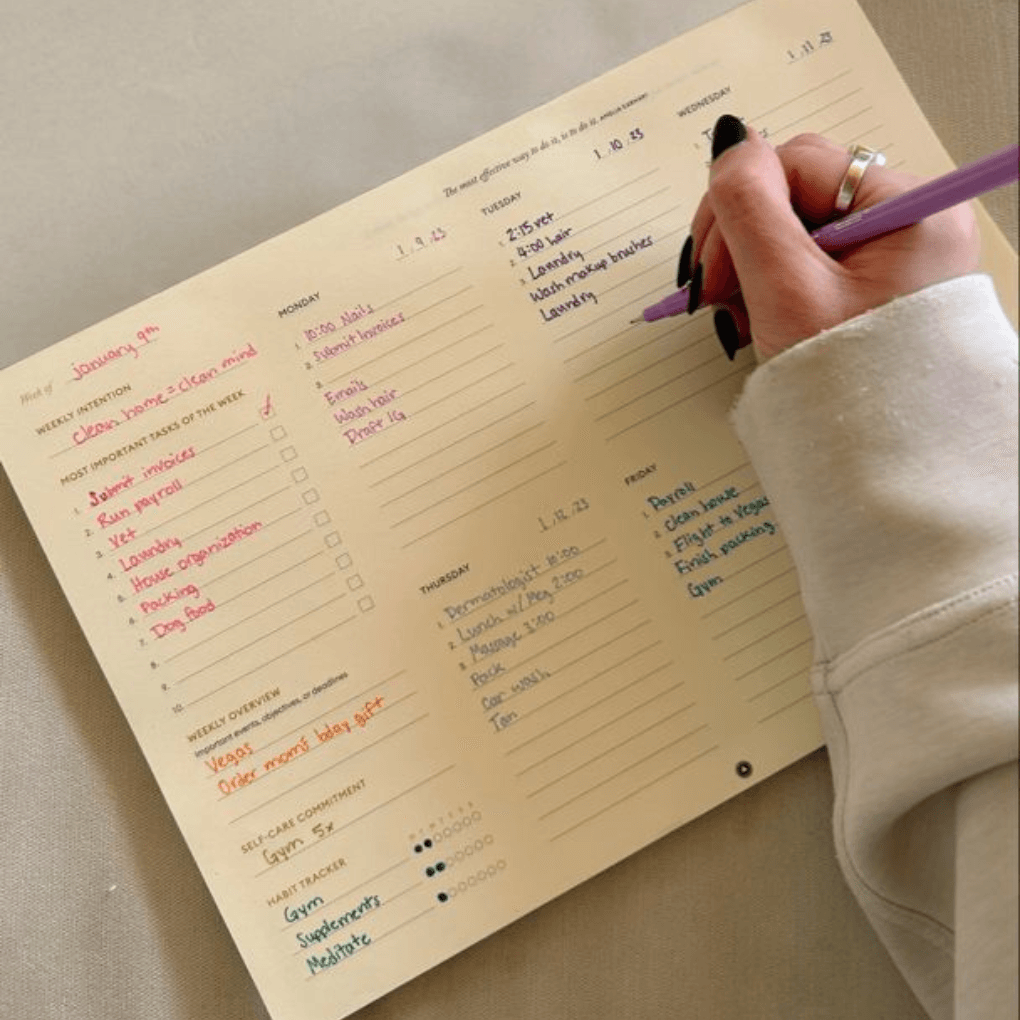
Planning your week in advance gives you clarity and sets the stage for success.
Why Planning Ahead is Important
A well-thought-out plan eliminates the chaos of last-minute decisions and ensures you dedicate time to what matters most. Without a plan, it’s easy to get sidetracked or overwhelmed by unstructured days. Planning ahead allows you to take control of your week, ensuring a balance between work, personal goals, and relaxation.
How to Create a Weekly Plan
Start by identifying your goals for the week. Break down these goals into smaller tasks that are manageable and specific. Assign tasks to specific days based on their deadlines and importance. Prioritizing tasks ensures you focus on what truly needs your attention. Keep your plan realistic to avoid feeling overburdened.
For example, if you have a big project due Friday, allocate time earlier in the week for research and preparation. By spreading out your workload, you’ll prevent unnecessary stress.
Tools for Weekly Planning
Using tools like planners, digital calendars, or task management apps makes planning easier. A physical planner is great for jotting down notes and to-do lists, while apps like Google Calendar or Todoist allow you to set reminders and share schedules with others. Experiment with tools to find what works best for you.
Organize Your Space

A tidy and well-organized environment boosts productivity and minimizes distractions.
Declutter Your Work Area
Start by clearing your desk or workspace of unnecessary items. A cluttered environment can lead to a cluttered mind, making it harder to focus. Keep only essential items within reach and store everything else away. For instance, pens, notebooks, and your laptop can stay on your desk, while files and supplies can go into drawers or storage bins.
Set Up Organizational Systems
Having a system in place ensures that everything has its place. Use labeled folders for important documents, trays for incoming mail or papers, and storage bins for items like stationery. If you often lose track of items, invest in a desk organizer to keep things neat and accessible.
Regular Maintenance
Spending just 10-15 minutes at the end of each day tidying up can make a significant difference. Wipe down your desk, put items back in their designated places, and prepare your workspace for the next day. Regular maintenance prevents clutter from piling up and keeps your environment inviting.
Time Management Strategies
Time management is a crucial skill for staying organized throughout the week.
Prioritize Your Tasks
Not all tasks are created equal, so identifying what’s most important is essential. Begin by listing all your tasks, then categorize them based on urgency and importance. You can use tools like the Eisenhower Matrix to sort tasks into four categories: urgent and important, important but not urgent, urgent but not important, and neither urgent nor important. This method helps you focus your energy on high-priority tasks while delegating or postponing less critical ones.
Block Your Time
Time-blocking is an effective strategy to structure your day. Allocate specific time slots for different tasks, ensuring dedicated focus without distractions. For instance, set aside 9:00-11:00 AM for deep work like writing reports and 3:00-4:00 PM for emails or meetings. By assigning time for each activity, you reduce the risk of procrastination and ensure that everything gets done.
Use Breaks Wisely
Incorporating breaks into your schedule is essential for maintaining productivity. Techniques like the Pomodoro Method, where you work for 25 minutes and then take a 5-minute break, can help you stay focused without burning out. During breaks, step away from your workspace, stretch, or grab a healthy snack to recharge your energy.
Build Productive Habits
Habits play a significant role in staying organized. Establishing routines helps you maintain consistency and reduce decision fatigue.
Establish a Morning Routine
A structured morning routine sets a positive tone for the rest of the day. Start by making your bed, which can give you an immediate sense of accomplishment. Follow this with activities like drinking water, exercising, or reviewing your daily goals. These simple habits boost your energy and prepare you for the tasks ahead.
End Your Day with Reflection
Take a few minutes at the end of each day to reflect on what you’ve accomplished. Identify tasks that still need attention and adjust your plan for the next day. Reflecting allows you to celebrate small wins and address areas for improvement, keeping you motivated to stay organized.
Stick to Consistency
Consistency is the foundation of successful habits. While it may take time to establish new routines, repetition helps them become second nature. For example, if you dedicate 10 minutes each morning to planning your day, it will soon become an automatic part of your routine.
Stay Flexible but Focused
Even with careful planning, unexpected changes can occur. Flexibility ensures you stay on track without feeling frustrated.
Adapt to Unexpected Changes
When your plans are disrupted, reassess your priorities. Focus on tasks that are most urgent and reschedule others for later in the week. For example, if a sudden meeting takes up your morning, adjust your afternoon schedule to compensate. Staying adaptable helps you remain productive even when things don’t go as planned.
Limit Distractions
Creating an environment that supports focus is essential for staying organized. Minimize distractions by turning off notifications on your phone, setting boundaries with family or colleagues, and designating a quiet area for work. When you’re fully engaged in a task, you can complete it more efficiently and with better results.
Celebrate Small Wins
Acknowledging your accomplishments, no matter how small, helps you stay motivated. For example, if you finish a challenging task ahead of schedule, reward yourself with a short break or a favorite treat. Celebrating progress keeps you positive and focused on your goals.
Conclusion
Staying organized all week long is achievable with a combination of planning, time management, and consistent habits. By starting with a clear weekly plan, maintaining a tidy environment, and managing your time effectively, you can reduce stress and boost productivity. Building habits like a morning routine and reflecting at the end of the day ensures long-term success. Stay flexible when changes arise, and don’t forget to celebrate your progress. With these strategies, you’ll find it easier to take charge of your week and accomplish your goals.