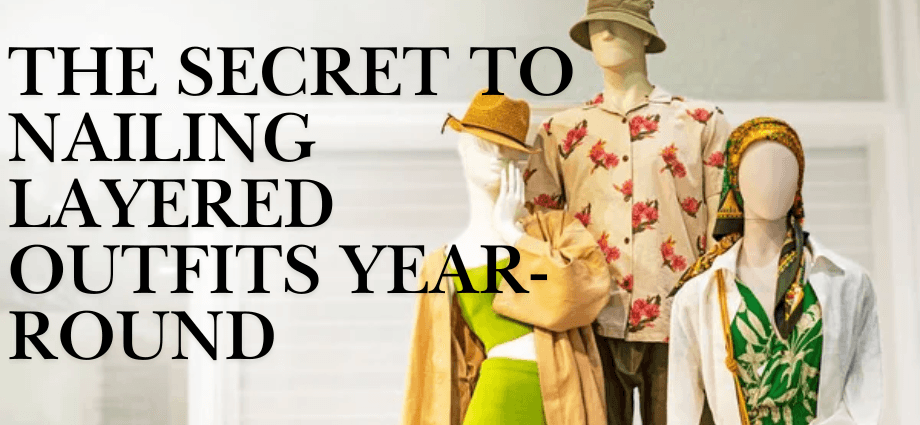
Layering outfits is a simple yet effective way to create versatile and stylish looks throughout the year. Whether it’s for warmth in the winter or just to add some flair to your outfits, mastering the art of layering can be a game-changer for your wardrobe. Not only does it allow you to adjust to different weather conditions, but it also offers endless possibilities for creativity and style. In this article, we will dive into how to layer outfits effectively for every season, ensuring you stay stylish and comfortable all year round.
Understanding the Basics of Layering
What Is Layering?
Layering involves combining multiple clothing pieces to create a functional and stylish outfit. It helps add warmth, texture, and dimension to your look. By mixing different items, you can adjust to varying weather conditions while enhancing your outfit’s overall style.
Why Layering Works Year-Round
Layering adapts to any season by adjusting the types of layers used. In cold weather, it provides warmth, while in warmer months, lighter layers keep you comfortable. Layering offers flexibility, helping you stay stylish and prepared for changing temperatures.
Essential Layering Pieces
There are a few key pieces that every wardrobe needs for successful layering. Start with basic items like fitted shirts, lightweight sweaters, and cardigans, which serve as great starting layers. Add outerwear like jackets or coats, and finish with accessories such as scarves or hats. Choosing these pieces wisely helps create a balanced and versatile wardrobe.
- Fitted base layers: Start with thin, fitted tops like tank tops, t-shirts, or long sleeves.
- Mid-layers: Add sweaters, cardigans, or vests for extra warmth or style.
- Outer layers: Jackets, blazers, and coats add structure and finish to your look.
Layering Techniques for Different Seasons
Layering in the Cold Months
For colder months, start with a moisture-wicking base layer, followed by insulating pieces like sweaters or fleece. Finish with a heavy outer layer, like a winter coat or puffer jacket. Don’t forget accessories like scarves and hats to stay warm and stylish.
- Base layers: Choose thermal or moisture-wicking fabrics to keep you warm and dry.
- Insulating layers: Opt for sweaters, fleece, or thick knits to trap body heat.
- Outer layers: A heavy coat or jacket will seal in the warmth.
Layering for Transitional Weather
Layering during transitional seasons is all about having pieces that you can add or remove as the weather changes.
- Lightweight sweaters: Perfect for layering without feeling too heavy.
- Cardigans and jackets: Easy to add or remove depending on the temperature.
- Versatile outer layers: A trench or light coat is ideal for unpredictable weather.
Layering in Warmer Weather.
In the warmer months, the goal is to use breathable materials that keep you cool while still offering a layered look.
- Light fabrics: Opt for cotton or linen for breathability.
- Minimal layers: Stick to light, airy pieces that don’t trap heat.
- Breathable accessories: A lightweight scarf or shawl adds a touch of style without the bulk.
Styling Tips for Perfect Layered Outfits
Mixing Textures and Colors
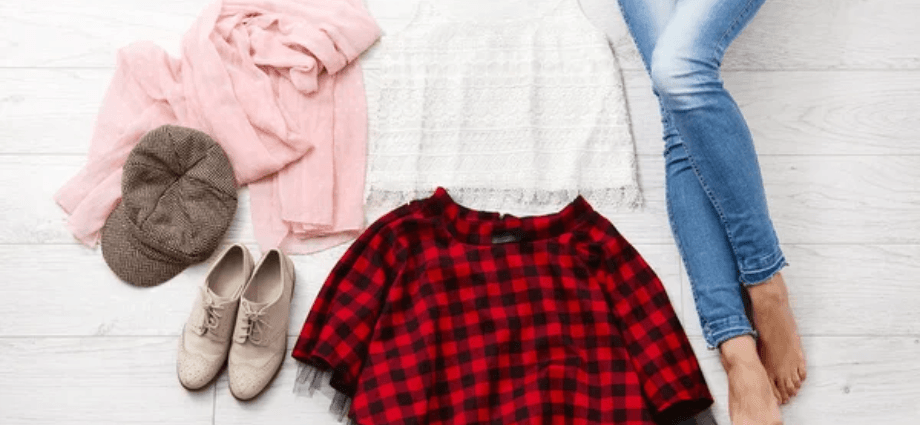
A great way to make your layered outfits stand out is by mixing different textures. Pairing smooth fabrics like silk with textured materials like wool or denim creates visual interest. Colors also play a significant role in layering. While neutrals like black, gray, and beige are perfect for creating a solid base, don’t shy away from adding pops of color with accessories or outer layers.
- Contrast textures: Combine soft and rough textures for a more dynamic look.
- Neutral base: Start with neutral tones and add pops of color for contrast.
- Bold accessories: Use accessories like scarves and bags to inject color into your outfit.
Creating Proportions and Balance
Layering is all about balance. Too many bulky pieces can overwhelm your figure, while too few layers may leave you feeling unprepared for changing temperatures. When layering, balance a fitted item with a looser piece. For example, pair a fitted top with a flowing cardigan or a tailored jacket with a loose scarf. This creates a more flattering, well-proportioned outfit.
- Fit and flare: Combine tight-fitting base layers with loose or oversized outer layers.
- Length balance: Match longer layers with shorter ones to maintain a flattering shape.
- Layering with purpose: Each layer should serve a function, either for warmth or style.
Accessories to Complete the Look
Accessories can take a layered outfit from ordinary to extraordinary. Scarves, hats, and jewelry are great for completing your layered look and adding personality. Scarves add warmth and visual interest, while hats like beanies or fedoras offer both style and functionality. Jewelry like layered necklaces or chunky bracelets can add a stylish flair to your outfit.
- Scarves and shawls: These are great for adding both style and warmth.
- Hats: Choose a beanie for winter or a floppy hat for the warmer months.
- Jewelry: Layering necklaces or bracelets enhances the overall outfit.
Mistakes to Avoid When Layering
Overlayering
One of the most common mistakes when layering is adding too many layers. Overloading your outfit with too many bulky pieces can make you look bigger than you are and make the outfit appear cluttered. Keep layering simple and purposeful to maintain a sleek silhouette.
- Avoid excessive bulk: Stick to a few well-chosen layers rather than piling them on.
- Balance is key: Choose one or two key pieces and layer them thoughtfully.
- Fit matters: Make sure each piece fits properly and complements the other.
Choosing the Wrong Fabrics
Not all fabrics are created equal when it comes to layering. Heavy fabrics like wool or leather can be too hot for transitional weather, while lightweight fabrics like cotton may not offer enough warmth in colder months. Choose fabrics that are appropriate for the season and climate to ensure comfort.
- Seasonal fabrics: Use breathable fabrics for warmer weather and thicker, insulating fabrics for colder months.
- Fabric combinations: Avoid using fabrics that clash or make you uncomfortable.
- Breathability: Make sure the fabrics you choose allow airflow to prevent overheating.
Neglecting the Fit
Fit is critical when layering. Too tight or too loose pieces can ruin the balance of your outfit. A fitted base layer paired with slightly looser outer layers is ideal for creating a flattering silhouette. Always check the fit before layering to ensure a comfortable and stylish look.
- Proper sizing: Ensure each layer fits comfortably without being too tight or too loose.
- Layer with ease: Choose layers that you can easily move in without feeling restricted.
- Tailored pieces: Well-fitted pieces help create a more polished look.
Conclusion
Mastering the art of layering outfits year-round is about understanding how to mix different fabrics, textures, and proportions. Whether you’re layering for warmth in the winter or creating a stylish yet comfortable outfit for the summer, the right layering techniques can elevate any outfit. By following the basics of layering, experimenting with proportions, and avoiding common mistakes, you can enjoy stylish, functional outfits all year long.