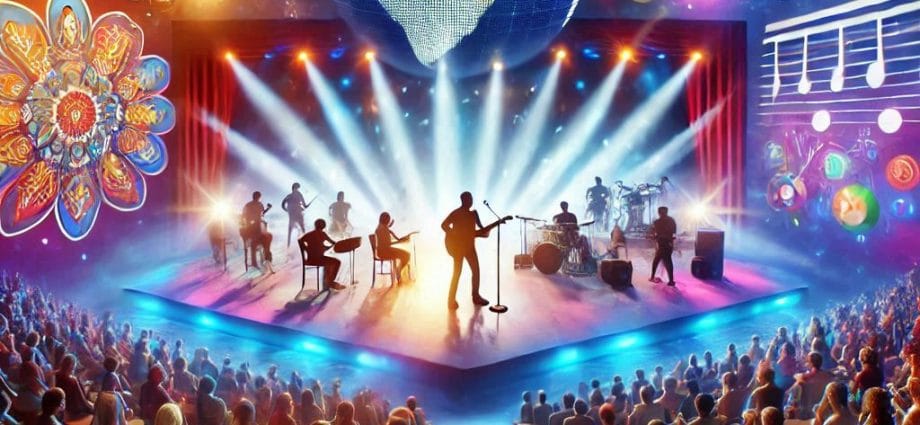
Virtual concerts have quickly emerged as a significant part of the music industry, particularly in recent years. These digital performances offer fans the chance to enjoy live music from the comfort of their homes. Technology has been pivotal in enabling this transformation, allowing artists to connect with a global audience in new and innovative ways. Virtual concerts have brought many opportunities to both performers and fans, reshaping the music industry as we know it.
The Growth of Virtual Concerts
Virtual concerts are an innovative way to experience live music without being physically present at a venue. As technology advances, these concerts are becoming more immersive and interactive.
What Are Virtual Concerts?
Virtual concerts are live-streamed or pre-recorded performances that can be viewed online from anywhere in the world. These events can take place in real time, or be available on-demand, giving fans the flexibility to watch at their convenience.
- Live-streamed Events: Real-time concerts streamed on platforms like YouTube and Facebook.
- Pre-recorded Concerts: Shows filmed and uploaded for later viewing.
- Immersive Events: Using VR and AR technologies to create a more interactive experience.
Virtual concerts offer fans a more accessible way to enjoy music without the need to travel.
Technology Behind Virtual Concerts
The rapid advancement of technology has greatly impacted virtual concerts. Innovations like live-streaming, virtual reality (VR), and holograms are enhancing the concert-going experience.
- Live-Streaming Platforms: Services like YouTube and Instagram Live are commonly used to broadcast events.
- Virtual Reality: VR offers a more immersive experience, allowing fans to feel like they’re at the concert.
- Holograms: Some concerts now feature 3D projections of performers, creating a more engaging experience.
These technologies allow artists to push the boundaries of what’s possible in a live performance.
Impact of Virtual Concerts on the Music Industry
Virtual concerts have significantly impacted the music industry, providing new opportunities for both artists and fans.
Accessibility for Fans Worldwide
Virtual concerts have made live performances accessible to fans all over the world. No longer are people limited by geography or travel costs to attend a concert.
- Global Reach: Artists can perform for fans across different countries.
- Convenience: Fans can watch from the comfort of their homes, saving time and money.
- Affordable Access: Virtual tickets are often cheaper than physical concert tickets, making them more accessible to a larger audience.
The global nature of virtual concerts means that fans in remote locations can experience performances they otherwise might miss.
New Revenue Streams for Artists and Industry
Virtual concerts are also creating new revenue streams for artists and the industry. Artists are now able to monetize their performances in ways that were not possible before.
- Digital Ticket Sales: Virtual tickets are sold directly to fans online.
- Merchandise: Artists can sell merchandise alongside their virtual performances.
- Brand Partnerships: Virtual concert platforms are attracting brand sponsorships, adding a new revenue stream for both artists and organizers.
These new income sources have helped support artists during difficult times, like during the COVID-19 pandemic.
Virtual Concerts During the COVID-19 Pandemic
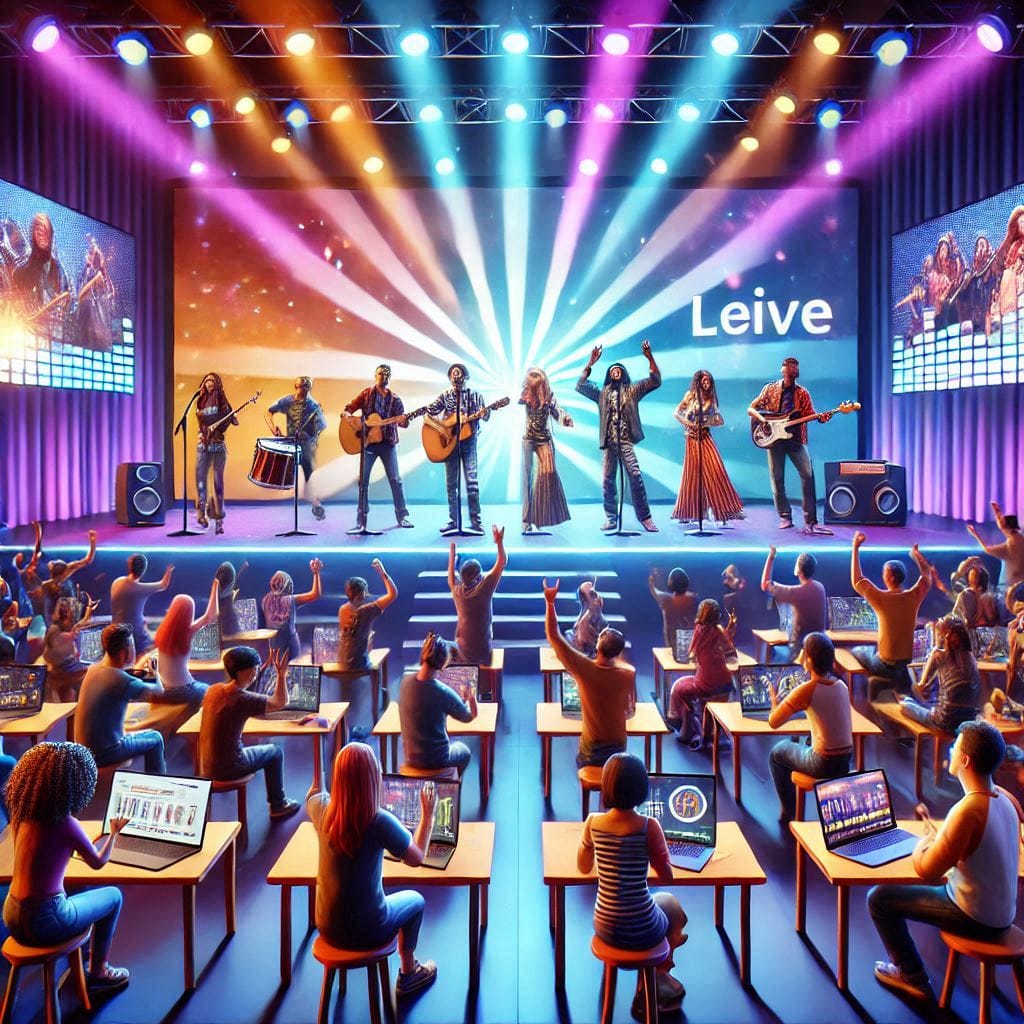
The COVID-19 pandemic brought live events to a halt, but virtual concerts became a lifeline for the music industry.
The Impact of the Pandemic on Live Music Events
With restrictions on large gatherings and venue closures, virtual concerts became the only way to experience live music for many people.
- Event Cancellations: Major festivals and concerts were canceled, creating a gap in live performances.
- Shift to Online Platforms: Musicians turned to platforms like Zoom and YouTube to continue performing.
- Global Participation: Fans from around the world could attend virtual events, overcoming geographical barriers.
Virtual concerts kept the music industry alive during the pandemic, ensuring that artists could still connect with their fans.
How Artists Adapted to Virtual Concerts
Artists had to quickly adapt to the virtual world, with many experimenting with different formats to stay connected with their audiences.
- Solo Performances: Artists like John Legend and Billie Eilish performed intimate online concerts.
- Collaborations with Virtual Platforms: Some musicians partnered with platforms like Fortnite to host large-scale in-game concerts.
- Interactive Shows: Artists used features like live chats to engage with viewers in real time.
These changes helped artists maintain fan engagement while providing a unique concert experience.
Advantages and Challenges of Virtual Concerts
While virtual concerts offer many advantages, they also come with certain challenges.
Advantages for Artists and Fans
Virtual concerts provide numerous benefits, making them attractive to both artists and fans. They allow artists to reach a global audience, breaking down geographic barriers. For fans, the convenience of attending concerts from home—without worrying about travel, tickets, or large crowds—makes virtual events more accessible. Additionally, virtual concerts often have lower production costs, which benefits both performers and attendees. These advantages have made virtual concerts a popular choice, providing a new way to engage with music.
Challenges in Virtual Concerts
However, virtual concerts are not without their drawbacks. Technical issues, such as poor internet connections or streaming problems, can disrupt the experience. The lack of physical audience interaction also makes it harder to replicate the energy of a live performance. Moreover, monetization remains a challenge, as it can be difficult to generate significant revenue, especially if ticket prices are low. Addressing these challenges is crucial for ensuring the long-term success of virtual concerts.
The Future of Virtual Concerts
The future of virtual concerts appears promising, with technological advancements expected to enhance fan experiences and artist performances.
How Virtual Concerts Will Evolve
Virtual concerts are likely to become more immersive and interactive as advances in VR, AI, and holography continue to shape the industry. Fans will soon experience fully immersive concerts through VR, making it feel as though they are physically present at the event. AI will personalize concert experiences, while holographic performances will allow artists to perform virtually without being at the venue. These technologies will make virtual concerts even more engaging and lifelike.
The Continued Role of Hybrid Events
Hybrid events, combining both in-person and virtual elements, are expected to grow in popularity. This model gives fans the flexibility to attend concerts physically or experience them remotely. Additionally, virtual attendees may have access to exclusive content, like behind-the-scenes footage, making the experience even more special. Hybrid events will offer greater flexibility and expand the reach of live music.
Conclusion
Virtual concerts are revolutionizing the music industry, providing new ways for artists to connect with global audiences. As technology advances, virtual concerts will become even more immersive and interactive, offering fans unique experiences. Despite the challenges, virtual concerts are here to stay, continuing to reshape the future of live music.