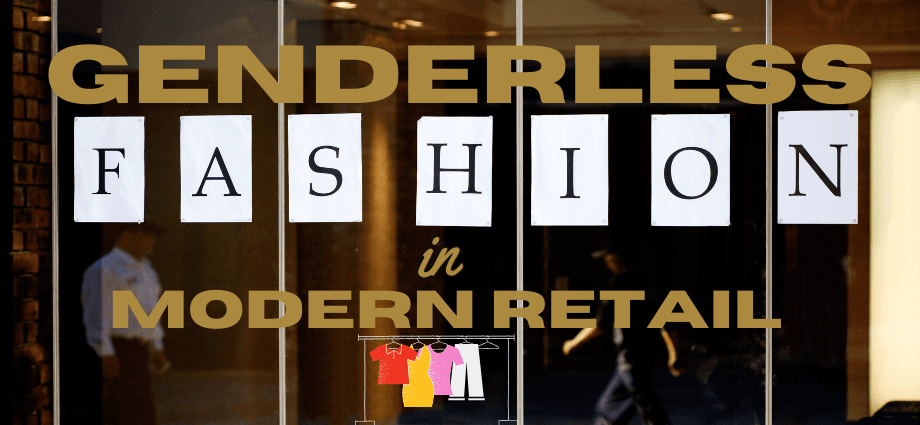
What is Genderless Fashion?
Genderless fashion refers to clothing designed for anyone, regardless of gender. It focuses on comfort, style, and functionality rather than traditional gender categories, offering versatile pieces that suit all body types.
- Versatility: Genderless clothing fits a variety of body types and personal styles.
- Comfort: These garments prioritize comfort and practicality, breaking free from gendered expectations.
- Inclusivity: Genderless fashion fosters a more inclusive culture, ensuring people of all genders feel represented.
Breaking Traditional Norms
Genderless fashion challenges the binary approach of “men’s” and “women’s” clothing, allowing for more freedom in personal style and self-expression.
- Unisex Cuts: Designs that work for all body shapes, eliminating the need for gender-specific tailoring.
- Gender Fluidity: Clothing that reflects the reality that gender is not binary and can be expressed in many ways.
- Breaking Stigma: Challenging societal expectations that once dictated what people “should” wear based on gender.
By rejecting outdated norms, genderless fashion allows people to embrace their true selves.
The Appeal to a Broader Audience
Genderless fashion appeals to a wider audience by offering inclusive clothing options that cater to diverse identities and personal styles.
- Inclusivity for All: Genderless fashion embraces all individuals, regardless of gender identity.
- Breaking Barriers: It opens up new opportunities for people who don’t identify with traditional gender roles.
- More Choices: Consumers have more diverse and personalized clothing options that suit their individual tastes.
The rise of genderless fashion means that everyone has the opportunity to wear what makes them feel most comfortable and confident.
The Impact of Genderless Fashion on Modern Retail
Genderless fashion is making waves in modern retail, challenging traditional gender norms and offering consumers a more inclusive approach to clothing. Once seen as a niche trend, gender-neutral clothing is becoming more mainstream as people seek options that go beyond the binary labels of “men’s” and “women’s” fashion. With a growing emphasis on comfort, self-expression, and inclusivity, genderless fashion is not just a passing trend but a cultural shift in how we approach style.
Changing the Retail Landscape
Genderless fashion is reshaping retail by introducing unisex clothing lines and eliminating gender-specific sections, offering more flexible shopping experiences.
- Unisex Collections: Brands are creating clothing lines that are marketed as gender-neutral or unisex, focusing on inclusivity.
- Flexible Store Layouts: Retail stores are beginning to display clothing without separating them by gender, offering more flexibility to shoppers.
- Collaborations: Designers are collaborating with influencers and brands to create genderless lines that appeal to a broader market.
Inclusivity in Marketing
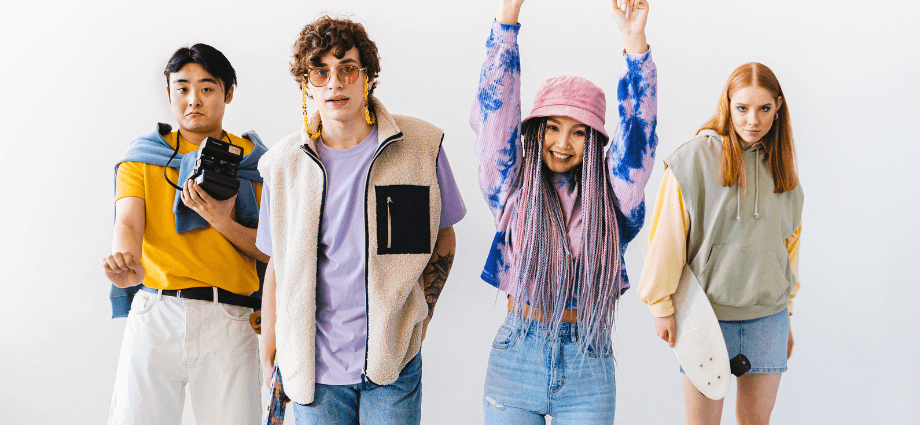
Marketing for genderless fashion is becoming more inclusive, featuring diverse models of all genders, ethnicities, and body types in campaigns.
- Diverse Models: Campaigns now include models of all genders, making genderless fashion more visible and accessible.
- Representation: Brands are focusing on showing a variety of body types and gender expressions in their advertisements.
- Wider Appeal: Inclusive marketing makes genderless fashion appealing to a larger, more diverse audience.
Inclusive marketing plays a major role in pushing the boundaries of how clothing is perceived and who can wear it.
Celebrity and Influencer Influence
Celebrities and influencers are popularizing genderless fashion by showcasing personalized, gender-neutral outfits, influencing their followers to embrace the trend..
- Influencers Set Trends: Celebrities and social media influencers showcase genderless fashion, making it more relatable and desirable.
- Breaking Boundaries: Influencers challenge traditional gender roles by wearing clothing that defies labels.
- Increased Popularity: As celebrities adopt genderless fashion, it becomes a mainstream trend that encourages wider adoption.
Promoting Equality and Inclusivity
Genderless fashion promotes equality by eliminating gendered clothing norms, allowing individuals to express themselves freely, regardless of gender identity.
- Equal Opportunities: Genderless fashion creates equal opportunities for self-expression for all people.
- Freedom of Choice: It allows individuals to wear what they feel represents their identity, free from societal pressures.
- Challenging Norms: The rise of genderless fashion challenges rigid gender stereotypes and promotes a more open society.
Sustainability and Practicality
Genderless fashion promotes sustainability by reducing waste and creating versatile, long-lasting garments that can be worn by anyone.
- Longevity: Genderless fashion often embraces timeless designs that can be worn year after year.
- Less Waste: Fewer collections for specific genders means less overproduction and less waste.
- Multi-Purpose Pieces: These garments are often designed to be more versatile, fitting into various aspects of a person’s life.
Expanding Consumer Choices
Genderless fashion offers more clothing options, allowing consumers to select pieces that reflect their personal style without gender constraints.
- More Options: Consumers have more choices that suit their preferences and style, regardless of gender.
- Flexibility: Genderless fashion offers more flexibility in how clothing can be styled and worn.
- Express Yourself: This shift allows individuals to choose items that align with their personality rather than conform to gender norms.
The broader range of choices in genderless fashion enhances personal style and self-expression.
Challenges Facing Genderless Fashion
Resistance to Change
Despite its growing popularity, genderless fashion still faces resistance from some consumers and industry players. Many people remain attached to the concept of gendered clothing and may feel uneasy with garments that don’t fit traditional categories. Changing deeply rooted societal norms and fashion practices takes time, but as more brands embrace gender-neutral designs, acceptance of these pieces will likely continue to increase.
Sizing and Fit Issues
Designing genderless clothing that fits a wide range of body types can be a challenge. Clothing needs to accommodate various body shapes without feeling too restrictive or too loose. Many brands are working to address these fit issues by offering flexible sizing and adjustable fits, but creating clothing that truly fits everyone can still be challenging.
- Flexible Sizing: Brands are working on creating more inclusive sizing options for genderless clothing.
- Body Diversity: Genderless fashion must account for a wide range of body shapes and sizes.
- Inclusive Fit: The perfect fit for all body types remains a challenge for many designers.
The Future of Genderless Fashion
Incorporating Technology
Technology is helping shape the future of genderless fashion. Advances in 3D scanning and body mapping are making it easier to create clothing that fits a wide variety of body types.
- 3D Technology: Advances in body scanning allow for better-fitting genderless clothing.
- Virtual Fitting Rooms: Technology allows shoppers to try on clothes virtually before purchasing.
- Personalization: Technology helps brands customize clothing for individual preferences and sizes..
Wider Retail Adoption
As demand for genderless fashion grows, more retailers will likely adopt gender-neutral collections. This trend could become mainstream, with genderless clothing becoming a staple in retail stores across the globe. Retailers who embrace this change will cater to an audience that values inclusivity and self-expression.
- Increased Availability: More retailers are expected to offer genderless clothing in their collections.
- Mainstream Appeal: Genderless fashion could become a norm in mainstream retail.
- Inclusive Shopping Experience: Genderless collections will make shopping easier for everyone.
Conclusion
Genderless fashion is more than just a trend; it represents a shift towards inclusivity, sustainability, and greater self-expression in the fashion world. As more retailers embrace this concept, it’s likely that genderless clothing will become a staple in modern wardrobes. By breaking traditional gender norms, genderless fashion encourages individuals to wear what makes them feel most comfortable and confident, regardless of societal expectations.