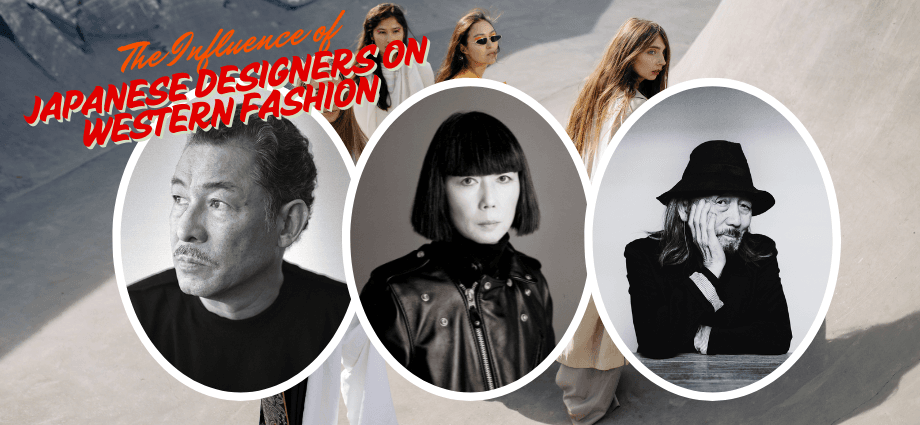
Japanese designers have profoundly shaped Western fashion by introducing innovative ideas and challenging traditional norms. Their designs often transcend the boundaries of conventional clothing, reflecting a deeper cultural and artistic philosophy. By merging Eastern traditions with Western trends, Japanese visionaries have redefined global fashion and inspired generations of designers. From minimalism to avant-garde experimentation, their influence can be seen in runways, streetwear, and luxury collections worldwide.
Over the decades, these designers have revolutionized the fashion world by promoting new aesthetics and ideas. Today, their contributions are celebrated not just as a regional phenomenon but as a global movement that has changed how we perceive and create fashion.
Pioneering Japanese Designers in Western Fashion
Several trailblazing Japanese designers have left a lasting imprint on Western fashion through their unique approaches, creativity, and philosophies.
Rei Kawakubo (Comme des Garçons)

Rei Kawakubo is a pioneer of “anti-fashion,” a movement that challenges traditional notions of beauty and structure in clothing. Her designs often deconstruct garments into asymmetrical, layered pieces that emphasize texture and form over conventional tailoring.
Kawakubo’s bold approach has made her a revolutionary figure in Western fashion, influencing designers to embrace imperfection and unconventional aesthetics. Her iconic label, Comme des Garçons, is celebrated for redefining what fashion can be: a form of self-expression and rebellion.
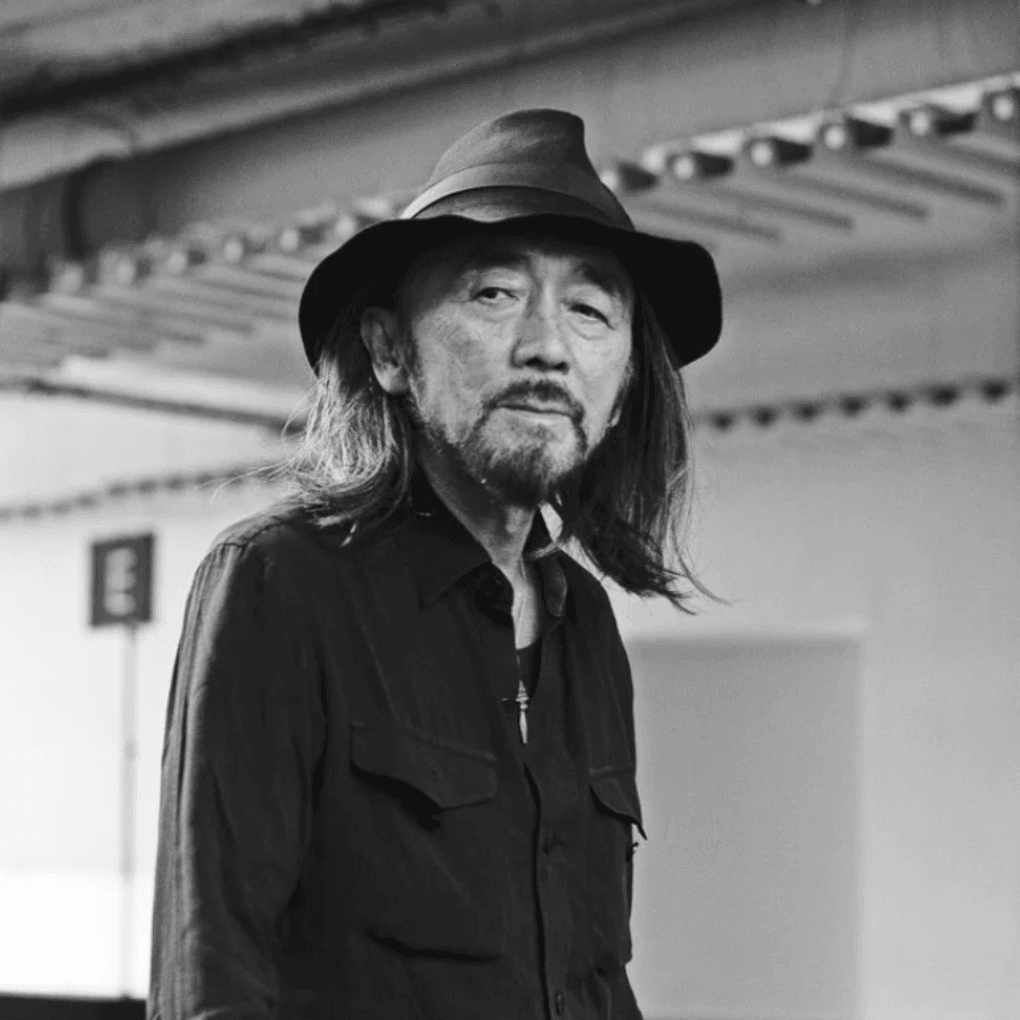
Yohji Yamamoto
Yohji Yamamoto is renowned for his oversized silhouettes, monochromatic palettes, and asymmetrical cuts that blend artistry with functionality. His timeless designs emphasize individuality, comfort, and self-expression. Notable achievements include his Y-3 collaboration with Adidas, merging high fashion with sportswear, and redefining black as a bold, versatile statement. Yamamoto’s innovative approach and commitment to pushing creative boundaries have inspired generations of designers, solidifying his legacy as a visionary in contemporary fashion.
Issey Miyake
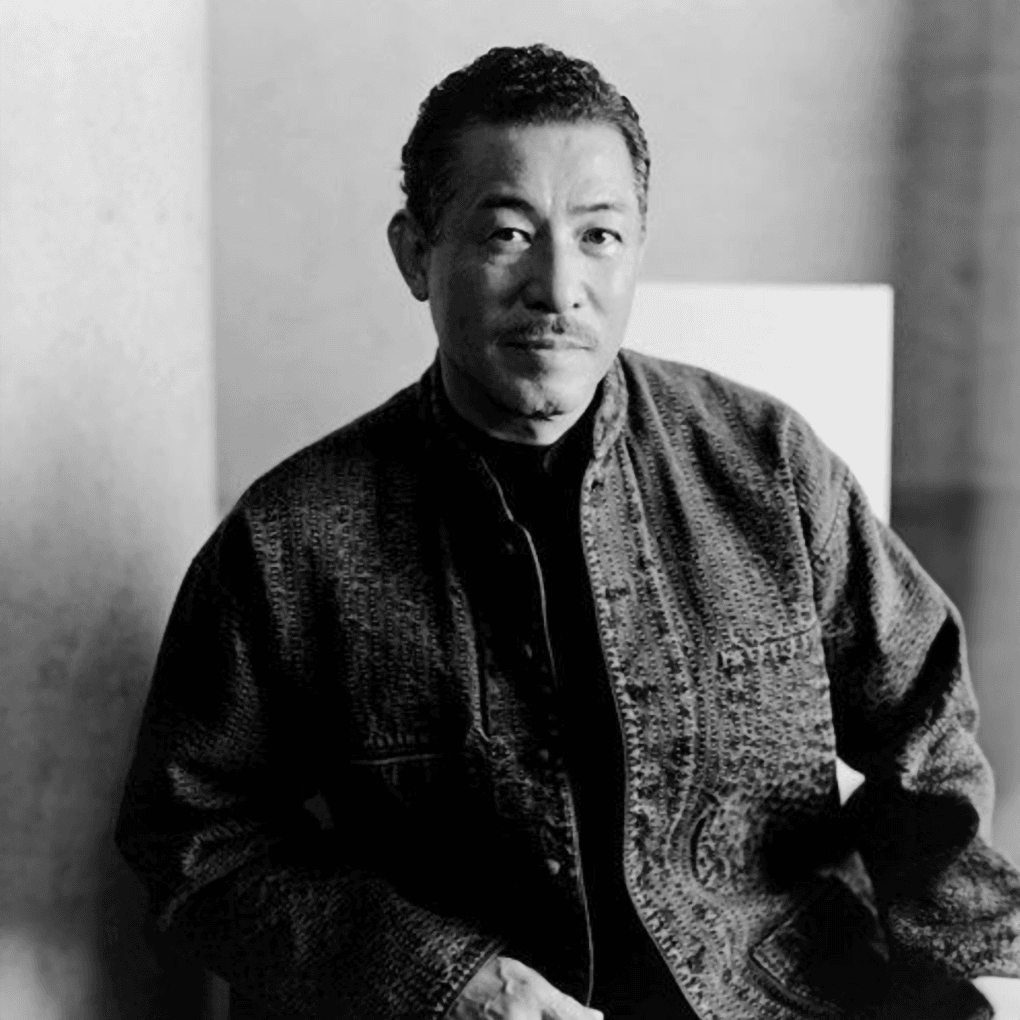
Issey Miyake is celebrated for his technical innovation and mastery of fabric, particularly his iconic pleats from the late 1980s, which revolutionized modern couture with their wrinkle-free, flexible elegance. His designs bridge art and fashion, emphasizing accessibility, sustainability, and versatility. By integrating high-tech and sustainable materials into luxury fashion, Miyake has redefined contemporary style, creating garments that cater to both high fashion and everyday wear, leaving a lasting impact on the industry.
Key Characteristics of Japanese Design Philosophy
The design philosophies of Japanese fashion offer a fresh perspective that has profoundly impacted Western aesthetics.
Minimalism and Wabi-Sabi
Japanese minimalism focuses on simplicity, clean lines, and understated elegance. The concept of wabi-sabi—finding beauty in imperfection—adds an emotional depth to this approach, emphasizing natural textures and organic forms.
Western fashion embraced these ideas in the minimalist movement, creating designs that prioritize functionality and elegance over ornamentation.
Avant-Garde Experimentation
Japanese designers are known for pushing boundaries and reimagining the structure of clothing. They use unconventional shapes, fabrics, and techniques to create bold, thought-provoking designs.
This avant-garde approach has influenced Western fashion houses to experiment more freely, challenging norms and broadening the scope of couture.
Blend of Tradition and Modernity
Japanese designers often integrate traditional elements like kimono-inspired cuts, origami folds, and embroidery into their modern designs. This seamless blend of cultural heritage and innovation resonates in Western fashion, inspiring designers to explore similar themes.
Examples of this blend include:
- Incorporating traditional Japanese fabrics like silk and indigo-dyed textiles.
- Using traditional patterns or motifs in contemporary clothing.
- Adapting ancient techniques to modern silhouettes.
This balance of tradition and modernity makes Japanese-influenced designs timeless.
Influence on Specific Western Fashion Trends
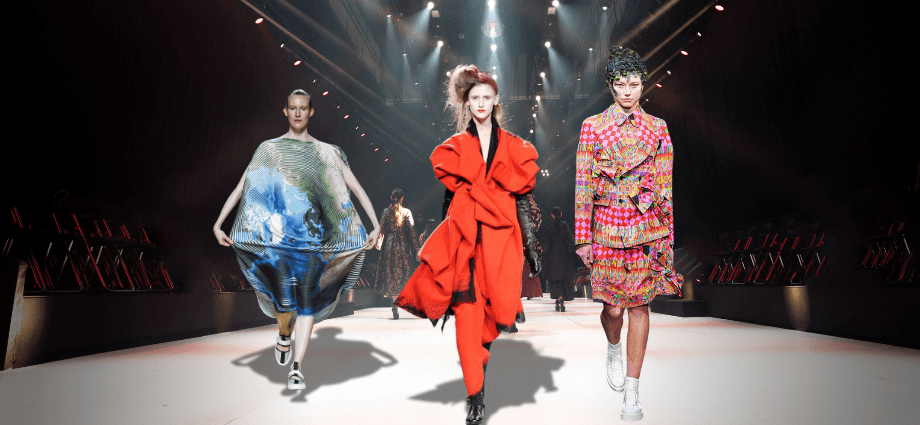
Japanese designers have directly inspired numerous trends that have reshaped Western fashion.
Deconstructed Silhouettes
Rei Kawakubo and Yohji Yamamoto introduced deconstructed fashion to Western audiences, breaking away from conventional tailoring and symmetrical designs. Their creations often feature irregular shapes, layered garments, and innovative structures that challenge traditional norms.
Deconstruction is now a staple in Western fashion, appearing in collections by brands like Maison Margiela and Alexander McQueen.
Use of Innovative Fabrics
Issey Miyake’s pioneering work with pleated fabrics and high-tech materials revolutionized how fabrics are used in fashion. His creations demonstrated that textiles could be both functional and artistic.
Key innovations in fabric use include:
- Wrinkle-resistant pleats for travel-friendly garments.
- Breathable, lightweight textiles ideal for everyday wear.
- Sustainable materials that align with the eco-conscious values of today.
These advancements have become integral to Western fashion, influencing designers to experiment with new materials.
Rise of Gender-Neutral Fashion
Japanese designers have long embraced gender-neutral designs, focusing on clothing that prioritizes comfort and versatility over traditional gender norms. This philosophy has inspired Western brands to launch unisex collections and explore fluidity in fashion.
The rise of gender-neutral clothing reflects a broader cultural shift toward inclusivity, influenced in part by Japanese design principles.
Collaborations and Cultural Exchange
Collaborations between Japanese designers and Western brands have fostered a deep cultural exchange, blending aesthetics and ideas.
Japanese Designers with Western Brands
Collaborations like Yohji Yamamoto’s Y-3 line with Adidas and Uniqlo’s partnerships with Jil Sander have brought Japanese design to mainstream audiences. These partnerships have combined Eastern minimalism with Western practicality, creating accessible yet stylish collections.
Influence on Emerging Designers
Emerging Western designers have been heavily influenced by Japanese aesthetics, incorporating elements like asymmetry, layering, and experimental textiles into their work.
Key Japanese-inspired trends among new designers include:
- Oversized, unstructured garments.
- Monochromatic palettes that emphasize simplicity.
- Sustainability-focused collections inspired by Japanese innovation.
This exchange of ideas continues to enrich the global fashion industry.
Japanese Culture in Western Fashion
Elements of Japanese culture, such as origami-inspired folds, calligraphy prints, and sakura (cherry blossom) motifs, have become popular in Western fashion. These cultural influences add a layer of artistry and depth to modern designs, reflecting the global appreciation of Japanese aesthetics.
Conclusion
Japanese designers have significantly influenced Western fashion, reshaping its aesthetics and challenging its conventions. Their philosophies, rooted in minimalism, tradition, and avant-garde experimentation, have introduced new ways of thinking about clothing. By blending cultural heritage with innovation, Japanese designers have created a legacy that continues to inspire.
From deconstructed silhouettes to gender-neutral designs, their impact is visible in every corner of the fashion world. As the influence of Japanese design philosophies grows, it serves as a testament to the power of cultural exchange and its role in shaping the future of fashion.