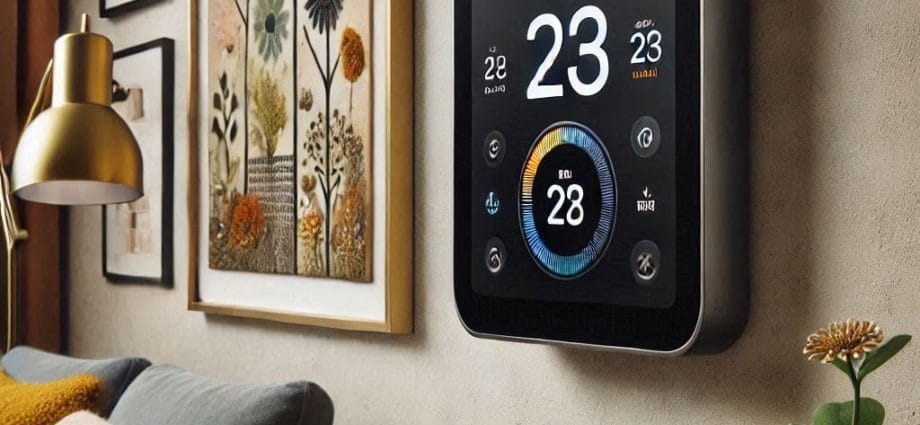
Smart thermostats have revolutionized home energy management by providing advanced features to control heating and cooling systems efficiently. These devices offer significant benefits in terms of energy savings, convenience, and environmental impact. This article explores how smart thermostats can help save energy and reduce costs.
Energy Efficiency
Smart thermostats are designed to optimize energy usage, ensuring that your heating and cooling systems operate efficiently.
Automatic Adjustments
Smart thermostats can automatically adjust the temperature based on your schedule and preferences. This prevents unnecessary heating or cooling when you’re not home.
- Schedule-based temperature control
- Learning algorithms to adapt to user habits
- Remote control via smartphone apps
Popular Smart Thermostats
Some popular smart thermostats include the Nest Learning Thermostat, Ecobee SmartThermostat, and Honeywell Home T9. These devices offer advanced features for better energy management.
Integration with Smart Home Systems
Smart thermostats can integrate with other smart home systems, such as smart lighting and security systems, to provide a comprehensive energy management solution.
Cost Savings
By optimizing energy usage, smart thermostats can help reduce your energy bills, leading to significant cost savings over time.
Detailed Energy Reports
Smart thermostats provide detailed energy reports, allowing you to see how much energy you are using and where you can make improvements.
Rebates and Incentives
Many utility companies offer rebates and incentives for installing smart thermostats, further reducing the cost of these devices.
Long-Term Savings
Investing in a smart thermostat can lead to substantial long-term savings on your energy bills by reducing energy waste and improving efficiency.
Environmental Benefits
Using a smart thermostat not only saves money but also has a positive impact on the environment by reducing energy consumption and greenhouse gas emissions.
Reduced Carbon Footprint
By optimizing your home’s energy usage, smart thermostats help lower your carbon footprint, contributing to a more sustainable future.
Supporting Renewable Energy
Some smart thermostats can be programmed to use energy during times when renewable energy sources, such as solar or wind, are more available, further reducing environmental impact.
Energy Conservation
Smart thermostats promote energy conservation by ensuring that heating and cooling systems are used only when necessary, preventing energy waste.
Convenience and Comfort
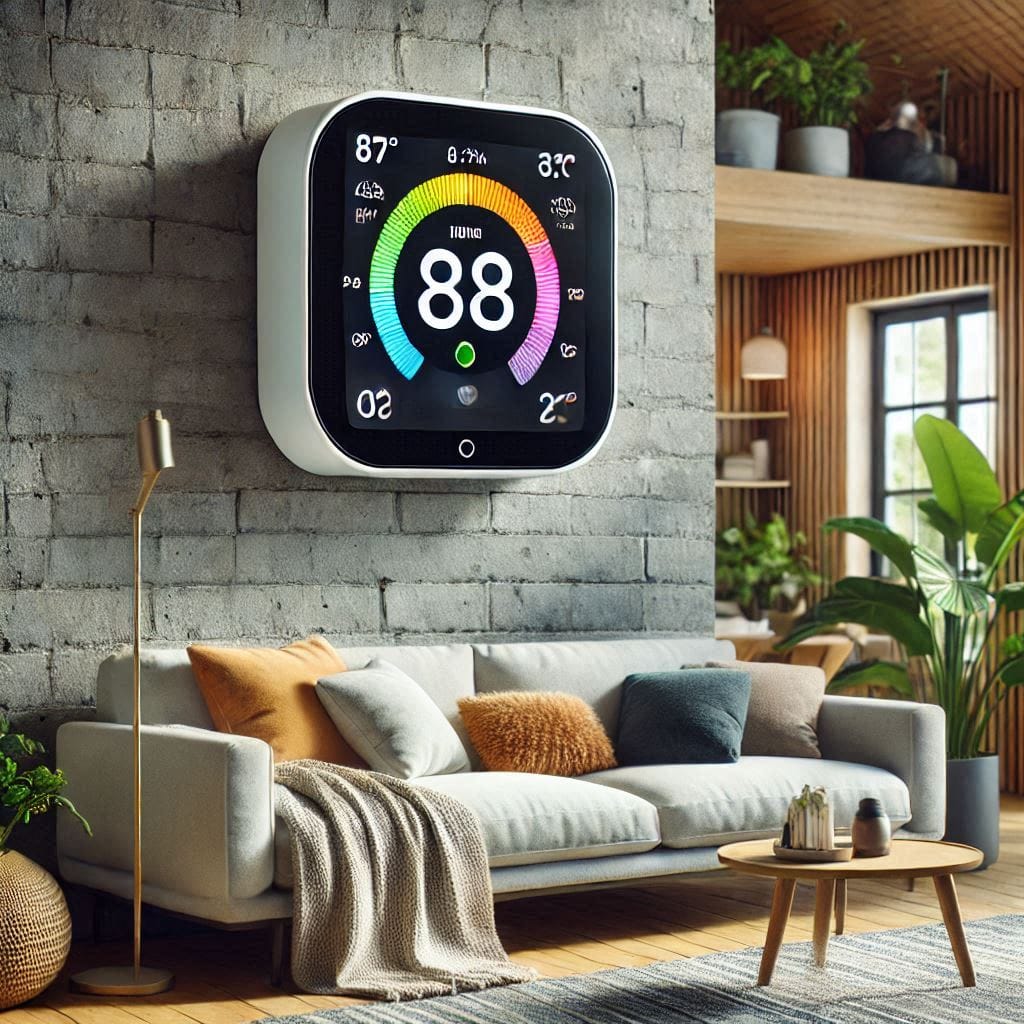
Smart thermostats offer various features that enhance convenience and comfort, making it easier to maintain an optimal home environment.
Remote Control
With smart thermostats, you can control your home’s temperature remotely using your smartphone or other connected devices. This allows you to make adjustments even when you’re not at home.
Voice Control
Many smart thermostats are compatible with voice assistants like Amazon Alexa, Google Assistant, and Apple HomeKit, allowing you to adjust the temperature using voice commands.
Customizable Settings
Smart thermostats offer customizable settings, enabling you to create personalized temperature schedules that suit your lifestyle and preferences.
Advanced Features
Modern smart thermostats come with a range of advanced features that provide additional benefits beyond energy savings.
Geofencing
Geofencing technology allows smart thermostats to adjust the temperature based on your location. When you leave home, the thermostat can automatically lower the temperature to save energy.
Weather Adaptation
Smart thermostats can adapt to changing weather conditions, adjusting the temperature settings to maintain comfort and efficiency.
Maintenance Alerts
Some smart thermostats provide maintenance alerts, reminding you when it’s time to change filters or schedule HVAC system maintenance, ensuring your system runs efficiently.
User-Friendly Interfaces
Smart thermostats feature intuitive interfaces that make them easy to use and configure, even for those who are not tech-savvy.
Easy Installation
Most smart thermostats come with straightforward installation guides and user-friendly apps, making setup a breeze.
Intuitive Controls
The user interfaces of smart thermostats are designed to be intuitive, allowing users to easily navigate settings and preferences.
User Support
Manufacturers often provide robust customer support and online resources to assist users with any questions or issues they may encounter.
Conclusion
In conclusion, smart thermostats offer numerous benefits in terms of energy savings, cost reduction, environmental impact, and convenience. By optimizing your home’s heating and cooling systems, these devices help reduce energy consumption, lower utility bills, and contribute to a more sustainable future. Additionally, the advanced features and integration capabilities of smart thermostats enhance comfort and convenience, making them a valuable addition to any modern home. Embracing smart thermostat technology is a smart investment that pays off in both the short and long term, providing significant savings and environmental benefits.