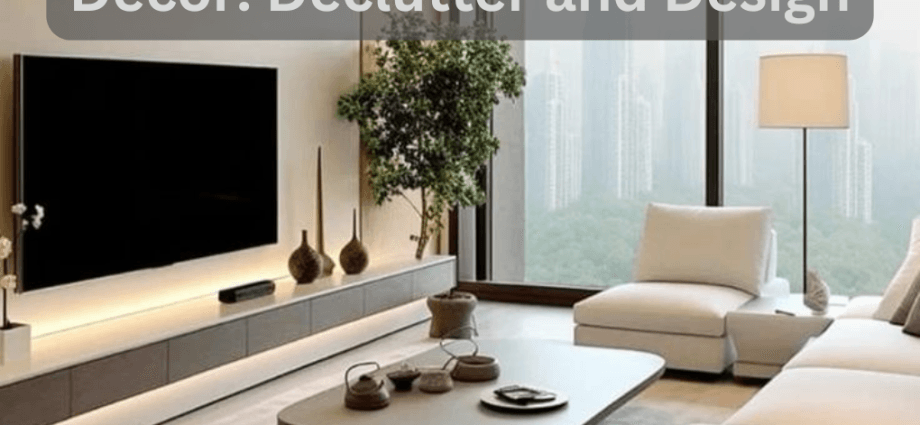
Minimalist home décor is more than just a design trend; it’s a lifestyle centered on simplicity and functionality. By adopting the principle of “less is more,” minimalist spaces eliminate unnecessary clutter while creating a calm, inviting, and purposeful environment.
As the need for balance grows in today’s fast-paced world, minimalism has gained popularity. This article guides you through achieving minimalist home décor, from decluttering your space to designing and maintaining it effectively.
Understanding Minimalist Home Décor
Minimalist décor prioritizes simplicity, neutral tones, and open spaces to create harmony and balance.
What is Minimalism in Home Design?
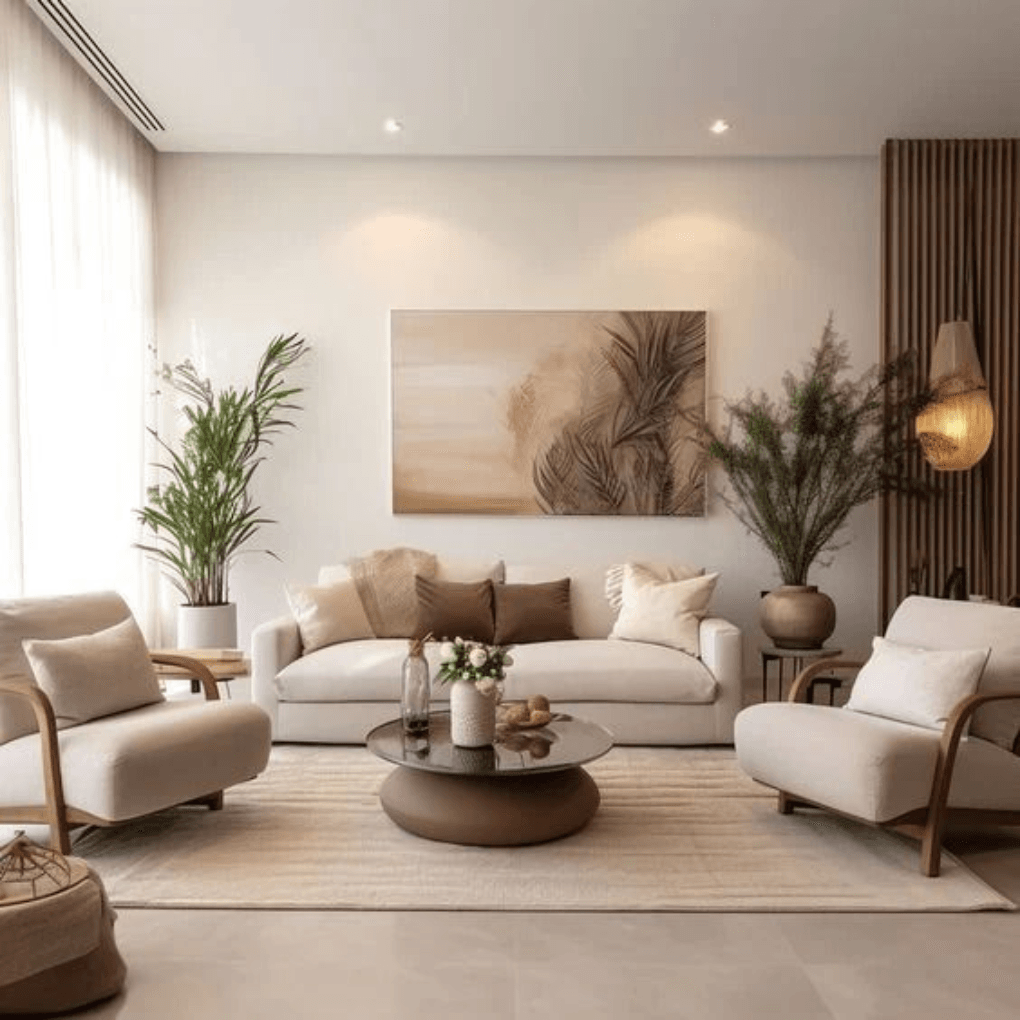
Minimalism in home design involves reducing excess and focusing on essentials. Its aim is to create an environment that feels spacious, functional, and intentional. This approach embraces clean lines and purposeful design to foster calm and order.
The guiding philosophy of “less is more” allows for thoughtful choices, making each item in your home meaningful, either for its function or aesthetic value.
Why Choose Minimalist Décor?
Minimalist décor enhances both your physical and emotional environment. It creates an uncluttered, calming space while improving organization and reducing distractions. Emotional benefits include lower stress levels, increased focus, and a heightened sense of mindfulness. Minimalism isn’t just a design style; it’s a tool for improving your lifestyle.
Decluttering: The First Step to Minimalism
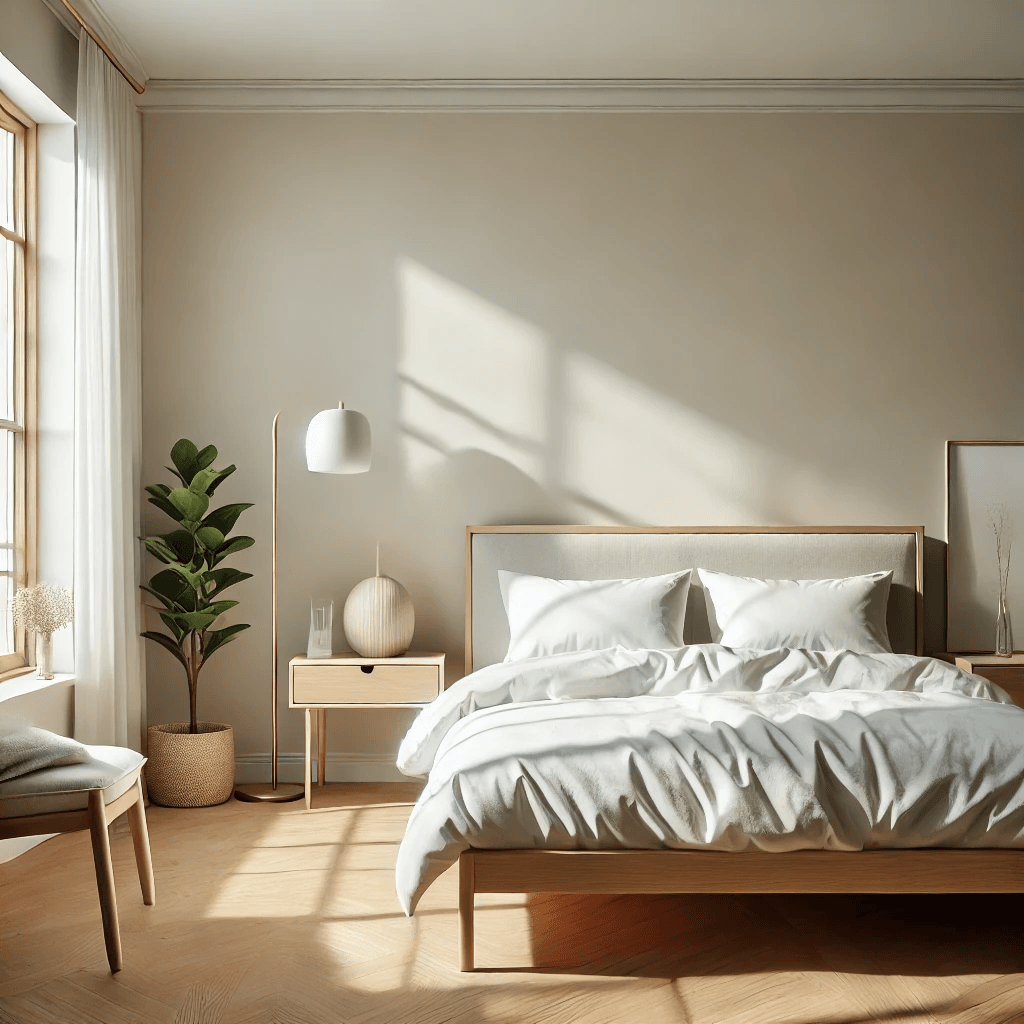
Decluttering sets the stage for minimalist home décor. A clutter-free environment is essential for achieving simplicity and balance.
How to Declutter Effectively
Approach decluttering one area at a time. This could be a single drawer, a closet, or an entire room. Breaking it into manageable steps prevents overwhelm and ensures steady progress.
The “keep, donate, discard” method works well for decision-making:
- Keep items you love or regularly use.
- Donate items in good condition that no longer serve you.
- Discard anything broken, outdated, or unusable.
This step-by-step process ensures that only meaningful or useful items remain, laying the foundation for a minimalist space.
Tools and Tips for Decluttering
While decluttering, practical tools such as storage bins and labels can be helpful. Aim to dedicate 20-30 minutes each day to tidying up smaller areas. Over time, this creates noticeable progress. Decluttering isn’t just about removing items—it’s about keeping only what truly enhances your space and life.
Designing Your Minimalist Space
Once you’ve decluttered, the next step is designing your home to reflect minimalist principles. Thoughtful design choices will enhance your space and ensure it feels functional and serene.
Choosing a Neutral Color Palette
Neutral colors form the backbone of minimalist home décor. Light tones such as whites, grays, and beiges make spaces feel open and calm. They also serve as a versatile base, allowing you to add accents without overwhelming the design.
Furniture and Décor Selection
Focus on quality and functionality when selecting furniture and décor. Pieces with clean lines and simple designs work best. Limit decorative items to just a few meaningful pieces, such as a vase or framed artwork. Natural elements like plants can add warmth without creating clutter.
Minimalism doesn’t mean stark or empty—it’s about ensuring everything in your home has a purpose or sparks joy.
Maintenance: Keeping the Minimalist Look
Minimalism requires regular upkeep to sustain its simplicity. A few daily habits can help maintain your clutter-free space.
Daily Habits for Staying Clutter-Free
To keep your home organized, dedicate a few minutes each day to tidying up. Simple actions, like returning items to their designated spots or cleaning up after activities, go a long way in preventing clutter from returning.
Reassessing and Adjusting
Minimalism is not static—it evolves with your lifestyle. Periodically review your space to ensure it continues to meet your needs. Donate or remove items that no longer align with your goals to keep your home fresh and functional.
Conclusion
Minimalist home décor isn’t about having less; it’s about creating more space for what truly matters. By decluttering, designing thoughtfully, and maintaining your minimalist space, you can achieve a home that feels serene and purposeful.
Start small and focus on one area at a time. Over time, you’ll notice how minimalism not only transforms your home but also enhances your life. Embrace this approach, and create a space where simplicity meets functionality.