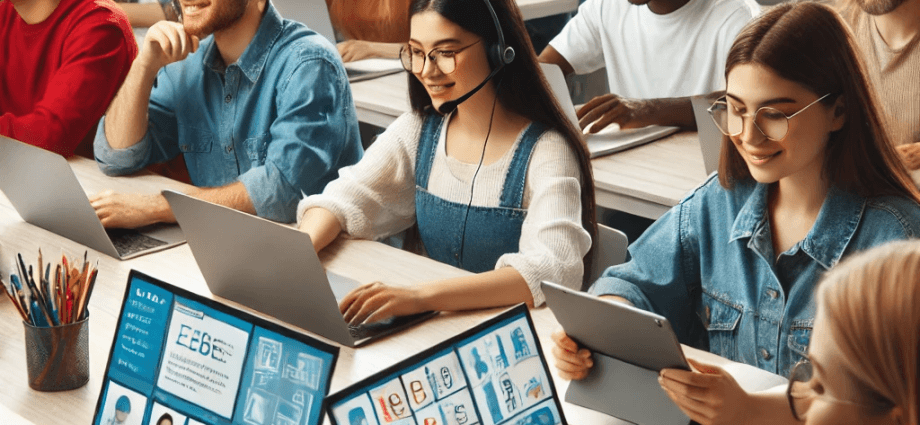
Technology has revolutionized many aspects of life, including education. Today, learning is no longer confined to physical classrooms. Students from all around the world can access educational resources, collaborate with peers, and receive personalized learning experiences through digital tools. These advancements help overcome challenges such as distance, disabilities, and financial constraints, making education more inclusive and accessible. With the increasing role of technology, it is more important than ever to explore how it is reshaping education globally.
The Role of Technology in Making Education Accessible

Overcoming Physical Barriers
One of the biggest hurdles in global education is physical location. Students living in remote areas often struggle to access quality educational resources. However, technology has made it possible to learn from anywhere, eliminating geographical restrictions. Online platforms offer virtual classrooms, making learning accessible to anyone with an internet connection.
- Online universities such as University of Phoenix and Open University allow people to earn degrees without leaving their homes.
- Virtual classrooms allow students from different parts of the world to interact in real-time, enabling a more globalized learning experience.
- Cloud-based learning management systems (LMS) such as Google Classroom and Moodle provide a central platform for students and teachers to interact.
Bridging Language Gaps
Another significant barrier is language. Not everyone speaks the same language, and language differences can limit access to education. However, technology offers several solutions to bridge this gap. Tools like real-time translation and language learning apps help students learn in their preferred language.
- Google Translate offers instant translation of text, making it easier for students to understand content in different languages.
- Language-learning platforms like Duolingo provide an interactive way for users to learn new languages at their own pace.
- Some online courses now include subtitles in multiple languages, making learning accessible to a global audience.
Digital Learning Platforms for Global Access
Massive Open Online Courses (MOOCs)
Massive Open Online Courses, or MOOCs, have become an important part of global education. They offer free or affordable courses on a wide range of subjects, enabling learners from all over the world to access high-quality educational content.
- Coursera: Offers courses from top universities like Stanford, Yale, and Harvard, allowing learners to earn certifications in subjects ranging from computer science to arts and humanities.
- edX: Provides a platform for institutions such as MIT and Harvard to offer free online courses. Many courses are also available for credit, enabling learners to further their education at a lower cost.
- Khan Academy: A non-profit organization that offers free educational resources for students from kindergarten through high school. It also provides adult learners with self-paced courses on subjects like math, science, and history.
MOOCs have democratized education, making it accessible to anyone with an internet connection and the motivation to learn.
Online Tutoring and Study Assistance
Online tutoring platforms have also made a significant impact in increasing access to education. These platforms provide personalized learning support, enabling students to overcome specific challenges and achieve academic success.
- Chegg: Offers online tutoring services, textbook rentals, and study help. Students can connect with tutors for one-on-one lessons on various subjects.
- VIPKid: Specializes in teaching English to children in China. The platform connects English-speaking teachers with students in China, offering personalized lessons to improve their English language skills.
- Khan Academy’s Tutoring Feature: Provides personalized learning pathways, ensuring that students receive the support they need in subjects they find difficult.
These services make it easier for students to get the help they need, regardless of their location or resources.
Assistive Tech Tools for Students with Disabilities
Text-to-Speech Software
For students with visual impairments or reading difficulties, text-to-speech software is a game-changer. These tools allow students to listen to educational materials rather than read them, making learning more accessible.
- Natural Reader: A text-to-speech tool that reads aloud content from various file types, including PDFs, Word documents, and web pages.
- Voice Dream: An app that helps individuals with reading disabilities by converting text to speech. It is particularly popular among students with dyslexia.
- Read Aloud: A browser extension that reads aloud text on webpages, helping students with visual impairments access online content.
These tools enable students with disabilities to access educational content more easily, providing them with the tools they need to succeed academically.
Speech Recognition Tools
Speech recognition technology is another valuable tool for students with disabilities, especially those with dyslexia or writing difficulties. These tools convert spoken words into text, helping students with physical disabilities or learning difficulties complete written assignments.
- Google Docs Voice Typing: A built-in feature of Google Docs that allows students to dictate text instead of typing it. This is particularly helpful for students with motor impairments or dyslexia.
- Dragon NaturallySpeaking: A more advanced speech-to-text software that offers accurate transcription services for students.
- Otter.ai: A tool that transcribes spoken words in real-time, providing written records of conversations or lectures for students who have difficulty taking notes.
Speech recognition tools are empowering students with disabilities by offering them alternative ways to express themselves and engage with learning materials.
Affordable Access to Educational Resources and Materials
Open Educational Resources (OER)
Open Educational Resources (OER) are free, publicly accessible materials that can be used for educational purposes. These resources include textbooks, videos, and course modules, offering students access to high-quality content without the need for expensive textbooks.
- OER Commons: A digital library that provides free access to textbooks, courses, and learning resources created by educators worldwide.
- OpenStax: A nonprofit organization that provides free, peer-reviewed textbooks for subjects such as biology, chemistry, and economics.
- MIT OpenCourseWare: Offers free access to course materials, including lecture notes, assignments, and exams, from MIT’s extensive course catalog.
OER is playing a significant role in lowering the cost of education, making it more affordable for students everywhere.
Affordable Internet and Device Access
Access to the internet and devices is a critical factor in making education accessible. Many students in developing countries struggle to afford high-speed internet or modern devices like laptops or tablets. However, initiatives from tech companies and governments are helping to address this issue.
- One Laptop Per Child: A nonprofit organization that provides low-cost laptops to children in developing countries, aiming to bridge the digital divide.
- Chromebooks: Google’s low-cost laptops have made learning more affordable for students, particularly in schools in underprivileged areas.
- Affordable Internet Solutions: Programs such as Project Loon by Google are working to provide affordable internet access in remote areas.
By making devices and internet access more affordable, these initiatives help ensure that all students have the tools they need to succeed in the digital age.

The Future of Learning Accessibility
AI and Personalized Learning
Artificial Intelligence (AI) has the potential to revolutionize education by offering personalized learning experiences. AI-powered tools can adapt to each student’s needs, helping them learn at their own pace and style.
- DreamBox Learning: An adaptive math program that adjusts lessons based on a student’s progress and learning style.
- Squirrel AI: An AI-based tutoring platform that provides personalized lessons to students based on their strengths and weaknesses.
AI promises to make learning more efficient and tailored to individual needs, ensuring that no student is left behind.
The Impact of 5G Connectivity
The arrival of 5G technology will further enhance learning accessibility by providing faster and more reliable internet connections. This will be especially beneficial for students in rural or remote areas, where internet speeds are often slow and unreliable.
- Faster download speeds will make it easier to access online resources, watch educational videos, and participate in virtual classrooms.
- More reliable connections will ensure that students can engage in real-time learning experiences without interruptions.
The widespread rollout of 5G connectivity could significantly improve access to digital learning tools in underserved regions.
Conclusion
Technology is playing a pivotal role in making education more accessible worldwide. From breaking down physical and language barriers to providing personalized learning experiences, tech tools are helping students from all walks of life achieve academic success. As innovations such as AI, 5G, and assistive technology continue to evolve, the future of global education looks brighter than ever. By continuing to invest in these tools, we can ensure that every learner has the opportunity to reach their full potential, regardless of their background or circumstances.