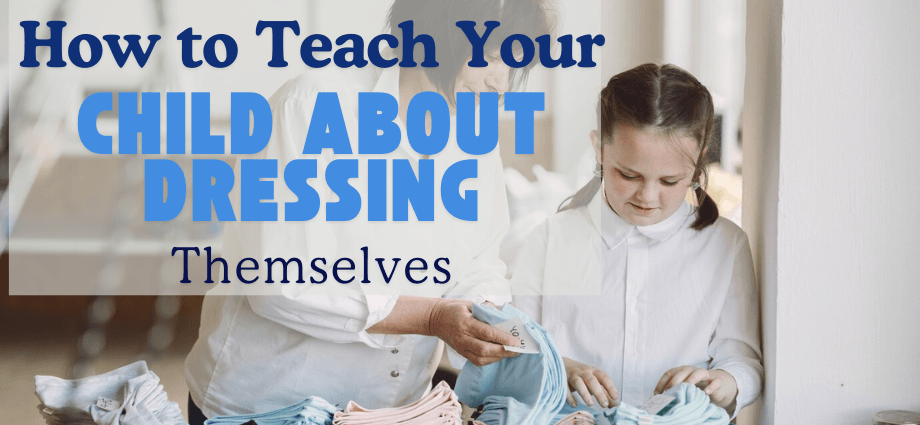
Teaching your child how to dress themselves is a significant milestone in their journey toward independence. It not only boosts their confidence but also enhances fine motor skills and decision-making abilities. This guide will walk you through practical steps to help your child learn this essential life skill.
Start with the Basics
Helping your child learn to dress begins with understanding their readiness and creating an environment conducive to learning. These foundational steps lay the groundwork for success.
Understanding Your Child’s Readiness
Before you begin, assess whether your child is ready to learn. Signs of readiness include showing interest in clothing, trying to mimic dressing actions, or demonstrating basic motor skills like pulling or grabbing. Children typically show these behaviors around 18-24 months, but every child is unique.
Preparing a Suitable Environment
A child-friendly environment is crucial for making dressing a positive experience. Ensure their wardrobe is organized with clothes that are easy to reach. Use low-hanging rods or bins labeled with pictures to help them identify clothing items independently.
Simplifying Clothing Choices
Reduce the overwhelm by offering limited options. Choose simple, comfortable clothes with elastic waists, Velcro fasteners, or large buttons. Brands like Carter’s or Hanna Andersson offer a range of kid-friendly options designed for easy wear.
Break the Process into Steps
Dressing involves multiple steps that can feel overwhelming to a child. Breaking it down into manageable tasks helps them build confidence and master each step.
Teaching How to Identify Clothing Pieces
Start by teaching your child the names and purposes of different clothing items. Use games, such as sorting tops and bottoms or matching socks, to reinforce this knowledge in a fun way.
Practicing One Step at a Time
Begin with simple tasks like pulling on a T-shirt or elastic pants. Gradually introduce more complex actions like zipping jackets or buttoning shirts. For example, start by threading the button and letting them practice fastening it.
Using Visual Aids and Songs
Visual aids, like step-by-step picture charts, can guide your child through the dressing process. Pairing actions with songs (e.g., “This is the way we put on shoes”) can make the experience more engaging and memorable.
Encourage Independence and Patience

Fostering independence in dressing takes time and requires patience, positive reinforcement, and a willingness to embrace imperfection.
Allowing Extra Time
Children need time to practice. Allocate extra minutes during morning routines to let them try dressing without pressure. Avoid rushing them, as this can create frustration.
Positive Reinforcement
Celebrate small victories, such as putting on socks correctly or pulling up pants without help. Phrases like “You did that all by yourself!” or a high-five can go a long way in boosting their confidence.
Managing Frustration
It’s natural for your child to feel frustrated when they struggle. Acknowledge their feelings and offer encouragement. For instance, if they’re having trouble with buttons, remind them it gets easier with practice.
Practice Consistently
Consistent practice helps children become more skilled and comfortable with dressing themselves. Incorporate regular opportunities for practice into their daily routine.
Setting a Routine
Establishing a regular routine ensures your child gets ample time to practice. Encourage them to dress themselves every morning or after baths, even if it takes longer at first.
Encouraging Play-Based Learning
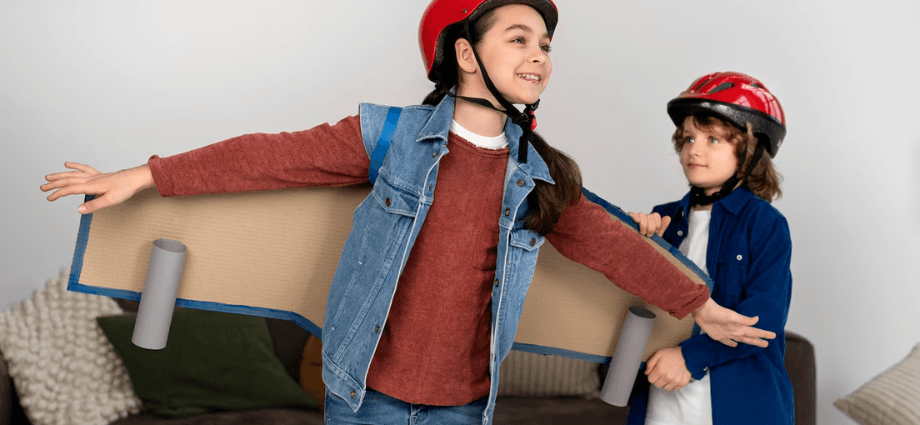
Make learning fun by turning it into a game. Provide dolls or stuffed animals for them to “practice” dressing. You can also create dress-up scenarios, such as pretending to be a firefighter or a princess, to keep them engaged.
Using Role Models or Videos
Sometimes children learn best by imitation. Watch educational videos together or involve older siblings as role models to demonstrate dressing techniques.
Handle Challenges Along the Way
Every child faces unique challenges when learning to dress. Addressing these issues with empathy and adaptability will make the process smoother.
Adapting to Your Child’s Pace
Children learn at different speeds. Avoid comparing your child to others and focus on their progress. Adjust expectations based on their abilities and celebrate small improvements.
Addressing Sensory Sensitivities
Some children may dislike certain textures or tags. Opt for tag-free clothing and soft, breathable fabrics. Brands like Primary and Burt’s Bees Baby offer sensory-friendly options that prioritize comfort.
Overcoming Resistance to New Skills
If your child resists learning, try making it a shared activity. Let them choose their outfit, or turn the process into a race or challenge, such as who can get dressed the fastest.
Practical Tips for Success
Here are some additional tips to support your child as they learn to dress themselves:
- Label Drawers: Use picture labels on drawers to help your child identify where clothes are stored.
- Teach by Demonstrating: Model how to put on clothing and encourage them to copy your actions.
- Invest in Adaptive Clothing: Some brands, like Zappos Adaptive, offer clothes with magnetic fasteners and easy-on designs for beginners.
Celebrate Milestones
As your child becomes more independent, acknowledge their achievements. This reinforces their confidence and motivates them to tackle new challenges. Dressing themselves is not just about clothing—it’s about learning independence, responsibility, and self-expression.
By following these steps, you’ll set your child on the path to mastering this important skill, all while fostering their growth and self-esteem.
Conclusion
Teaching your child how to dress themselves is a rewarding journey that goes beyond just learning a practical skill. It fosters independence, builds self-confidence, and improves motor skills, setting the stage for future milestones. By starting with the basics, breaking the process into manageable steps, and encouraging consistent practice, you can make this learning experience enjoyable and stress-free for both you and your child.
Remember to be patient, celebrate small victories, and adapt to your child’s unique needs and pace. Challenges may arise, but with the right strategies—like simplifying choices, creating routines, and addressing sensory preferences—you’ll be able to guide them successfully.
Ultimately, dressing themselves is an important step toward self-sufficiency and individuality. Celebrate this accomplishment as a key moment in their growth and take pride in knowing you’ve helped them achieve a significant milestone in their journey toward independence.