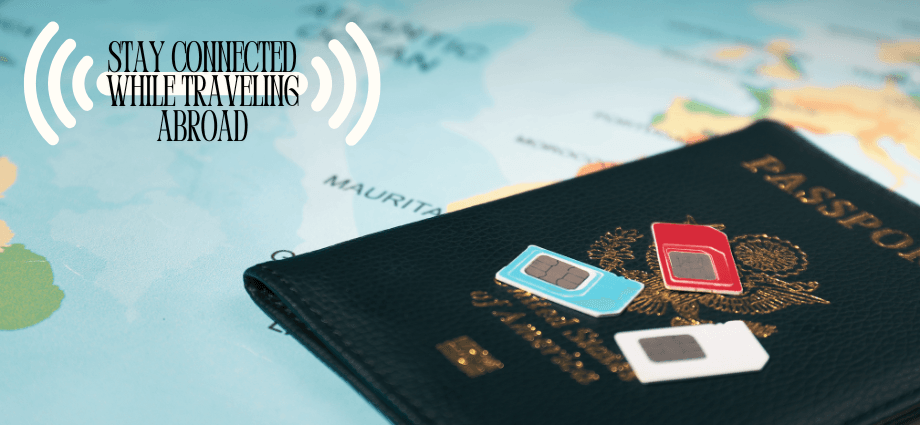
Traveling abroad offers incredible experiences, but staying connected with family, friends, or work can be a challenge. Whether it’s keeping in touch via social media, navigating new cities, or handling important work emails, maintaining communication is essential. Fortunately, staying connected while traveling is easier than ever with the right planning and tools. Here’s a guide to help you stay in touch with everyone back home while traveling abroad.

Use International Roaming Plans
When traveling abroad, one of the easiest ways to stay connected is through international roaming plans offered by your mobile carrier. These plans allow you to use your phone in foreign countries, just as you would at home.
What Are International Roaming Plans?
International roaming plans allow you to use your existing phone number and mobile data abroad. Most mobile carriers offer these plans, often for a daily or monthly fee, so you can make calls, send texts, and use data without purchasing a new SIM card or device.
Pros and Cons of International Roaming
While convenient, international roaming comes with both benefits and drawbacks.
- Pros:
- Keep your same phone number, which is helpful for business or personal calls.
- Easy to activate—most providers offer simple add-ons to your existing plan.
- You don’t have to worry about buying a local SIM card.
- Cons:
- Roaming charges can be expensive, especially for data usage.
- Coverage and service may vary depending on the country you’re in.
- You could face unexpected charges if you don’t track your usage carefully.
Tip: Always check your mobile provider’s international roaming rates and coverage before you travel to avoid surprises.
How to Activate Roaming Plans
Activating your roaming plan is usually a straightforward process. You can do it through your provider’s website, mobile app, or by calling customer service. Be sure to activate your plan ahead of time to avoid any interruptions in service.
Stay Connected with Wi-Fi
Wi-Fi is one of the best ways to stay connected when traveling abroad, as it’s widely available in most public places, hotels, and cafes. It also helps you save on roaming charges and ensures faster internet speeds in many cases.
Benefits of Using Wi-Fi
Using Wi-Fi offers several advantages for travelers. It’s cost-effective, as many Wi-Fi networks are free, helping you save money on data charges. High-speed connections are common, especially in urban areas where cafes, hotels, and public spaces often provide fast internet access. Wi-Fi’s widespread availability in airports, hotels, coffee shops, and other locations ensures you’re rarely disconnected. Additionally, using Wi-Fi allows you to make calls through apps like Skype, WhatsApp, or FaceTime, saving both time and money.
Tips for Finding Free Wi-Fi
Finding free Wi-Fi while traveling can be easy with a few simple strategies. Look for signs in cafes, restaurants, and hotels that advertise free Wi-Fi. Apps like Wi-Fi Finder or Instabridge can help locate nearby free hotspots. Asking locals for recommendations is another great way to discover reliable Wi-Fi locations.
Security Concerns with Public Wi-Fi
While public Wi-Fi is convenient, it does come with security risks. Hackers often target public networks to steal personal information. To stay safe, use a VPN (Virtual Private Network) to encrypt your connection. Avoid logging into sensitive accounts, like banking apps, over public Wi-Fi. Always ensure the network is password-protected before connecting to reduce the risk of data breaches.
Use Local SIM Cards

Purchasing a local SIM card at your destination is a great alternative to international roaming. It provides access to local networks at significantly lower rates, making it a cost-effective option for staying connected while traveling.
How Local SIM Cards Work
Local SIM cards allow you to connect to a country’s mobile network, offering a local phone number for calls, texts, and data usage. They are typically much cheaper than international roaming plans and provide seamless access to local services.
Advantages of Using Local SIM Cards
Using a local SIM card comes with several benefits:
- Cost-effective: Local SIM cards are far more affordable than international roaming, especially for extended trips.
- Faster data: You’ll often experience better data speeds with a local SIM card compared to roaming.
- Easy access: Local SIM cards are readily available at airports, convenience stores, and telecom shops.
How to Buy and Use a Local SIM Card
Upon arrival, you can purchase a local SIM card at the airport, convenience stores, or authorized telecom shops. Before buying, ensure your phone is unlocked and compatible with the local network. It’s also a good idea to carry your passport, as some countries require it for SIM card registration. By switching to a local SIM card, you’ll enjoy affordable connectivity and faster internet during your travels.
Use Messaging Apps for Communication
Messaging apps like WhatsApp, Facebook Messenger, and Telegram are fantastic tools for staying in touch with friends, family, and colleagues while abroad. These apps work over Wi-Fi or mobile data, making them an affordable and reliable choice for communication.
Popular Messaging Apps for International Communication
Several messaging apps are popular for their ease of use and features:
- WhatsApp: Ideal for sending texts, photos, and making voice or video calls.
- Facebook Messenger: A convenient option for messaging friends on Facebook.
- Telegram: Known for its speed and secure messaging options.
These apps allow you to communicate without incurring international texting or calling fees, making them a practical choice for travelers.
Why Messaging Apps Are Convenient
Messaging apps offer incredible versatility for staying connected:
- Texting: Easily keep in touch with family and friends.
- Calling: Use Wi-Fi or mobile data to make voice and video calls, often at no additional cost.
- Sharing multimedia: Send photos, videos, and documents without extra charges.
With these features, messaging apps simplify communication while providing flexibility and cost savings.
Tips for Staying Secure While Using Messaging Apps
To keep your conversations secure while using messaging apps:
- Enable two-factor authentication for an added layer of security.
- Avoid discussing sensitive topics over public Wi-Fi networks.
- Regularly update your apps to access the latest security features and enhancements.
By following these steps, you can safely and efficiently stay connected during your travels.

Use Offline Tools and Maps
Sometimes, it’s not possible to rely on an internet connection, especially in remote areas. Fortunately, there are offline tools that can help you navigate and communicate without needing a constant connection.
Download Maps and Guides Before You Go
Apps like Google Maps and Maps.me allow you to download maps for offline use. You can plan your route, find attractions, or even navigate without needing data. This is particularly useful when you’re exploring unfamiliar cities.
Offline Language Translation Apps
Google Translate and similar apps let you download language packs, so you can use them offline. This is particularly useful for translations when you don’t have internet access, making it easier to communicate with locals.
The Advantage of Offline Tools
Offline tools are incredibly useful for travelers, offering convenience and cost savings without the need for an internet connection.
- No data required: Access offline maps and guides without worrying about data usage, making them perfect for areas with poor connectivity.
- Stay on track: Navigate confidently without constantly searching for Wi-Fi, ensuring you never lose your way.
- Save money: Avoid costly mobile data or roaming charges by relying on offline resources.
These tools provide a reliable and budget-friendly way to explore and stay organized during your journey.
Stay Updated with a Portable Hotspot
If you need internet access on multiple devices during your travels, a portable hotspot is a great solution. It provides a personal Wi-Fi connection anywhere you go, making it easier to stay online.
What Is a Portable Hotspot?
A portable hotspot is a small device that provides internet access by connecting to a local mobile network. It can be used by multiple devices, such as your smartphone, tablet, and laptop.
Benefits of Using a Portable Hotspot
A portable hotspot offers numerous advantages for staying connected while traveling. With the ability to connect multiple devices, it ensures that your phone, tablet, and laptop can all share the same secure internet connection. Portable hotspots provide a stable and reliable connection, making them ideal for work or leisure activities on the go. Additionally, they eliminate the worry of roaming charges, as you pay a fixed rate for internet access, avoiding unexpected fees. This makes portable hotspots a convenient and cost-effective solution for maintaining connectivity during your travels.
How to Rent or Buy a Portable Hotspot
Portable hotspots can be rented or purchased from service providers before your trip. Many airports and local telecom stores also offer rental options. Some providers offer daily or weekly rental plans based on your usage needs.
Conclusion
Staying connected while traveling abroad has never been easier, thanks to the various tools and services available today. Whether you use international roaming, Wi-Fi, local SIM cards, or messaging apps, you have many options to stay in touch with loved ones and keep up with work.
By planning ahead and choosing the right tools for your trip, you can avoid the stress of staying connected and focus more on enjoying your travels. Safe travels and stay connected!