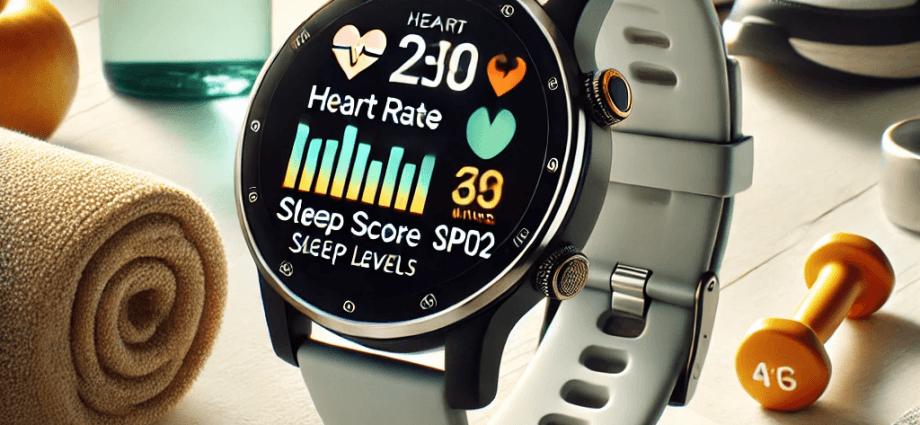
Smartwatches have become more than just devices for telling time and receiving notifications. Today, many smartwatches come equipped with health tools that track vital signs and activity levels. These features can help users monitor their health and improve their fitness. Whether you’re looking to track your steps or monitor your heart rate, smartwatch health tools offer valuable insights that can make a real difference in your well-being.
What are Smartwatch Health Tools?
Smartwatch health tools refer to the various features that track, monitor, and help improve the user’s physical and mental health. These tools are built into many modern smartwatches and allow users to keep track of key health data right from their wrists.
Definition of Smartwatch Health Tools
Health tools in smartwatches are functions that measure things like heart rate, activity levels, sleep quality, and stress. These tools use sensors and apps that help you understand how your body is functioning and how to stay healthier. Whether you’re an athlete or someone trying to monitor their health more closely, these tools can be extremely helpful.
Types of Health Tools Found in Smartwatches
Smartwatches come with various health tools depending on the brand and model. Here are some of the most common ones:
- Heart rate monitor: Tracks your heart rate throughout the day.
- Sleep tracker: Measures your sleep patterns, including light and deep sleep.
- Step counter: Records the number of steps you take daily.
- Blood oxygen monitor (SpO2): Measures the level of oxygen in your blood.
- ECG sensor: Measures the electrical activity of your heart.
These tools are often bundled with other fitness features to make the smartwatch a powerful tool for health tracking.
Key Health Features in Smartwatches
Smartwatches offer a variety of health-focused features that can help users maintain their physical fitness and monitor potential health concerns. Here are some key features found in many modern smartwatches.
Heart Rate Monitoring
One of the most common health tools in smartwatches is the heart rate monitor. This tool uses sensors on the back of the watch to detect your heart rate throughout the day.
- Real-time heart rate tracking: See your heart rate during exercise, rest, and sleep.
- Workout tracking: Measure your heart rate during specific workouts for better fitness insights.
- Health alerts: Some smartwatches will notify you if your heart rate exceeds or drops below a certain threshold, which can help detect potential issues early.
This feature is particularly beneficial for those who want to monitor their cardiovascular health or improve their fitness levels.
Sleep Tracking
Many smartwatches now come with sleep tracking capabilities, which analyze how well you sleep and offer insights to improve sleep quality.
- Sleep stage analysis: Breaks down your sleep into stages like light sleep, deep sleep, and REM sleep.
- Sleep duration: Measures how many hours you sleep each night.
- Sleep quality: Assesses how restful your sleep is, based on movement patterns and heart rate.
By tracking sleep, smartwatches can help you understand your sleeping habits and identify ways to improve rest and overall well-being.
Activity and Step Tracking
Step counters and activity trackers are among the most basic and commonly used health tools in smartwatches.
- Daily step count: Records how many steps you take each day.
- Goal setting: Many smartwatches let you set daily step goals to keep you motivated.
- Calorie tracking: Helps estimate how many calories you burn based on your activity level.
These tools can help you stay motivated and achieve daily fitness goals by offering simple, real-time feedback on your activity.
How Smartwatches Help with Fitness Goals

Smartwatches not only help monitor your health but also encourage you to achieve your fitness goals. Here’s how they can be your fitness companion.
Tracking Fitness Progress
Smartwatches make it easy to track your progress in various activities, whether you’re running, cycling, or walking.
- Activity logs: Keeps a record of every workout session, showing the duration, intensity, and calories burned.
- Goal progress: Lets you set and track fitness goals, such as distance, calories, or time.
- Personalized feedback: Based on your progress, some smartwatches offer feedback to help you stay on track.
With these features, smartwatches encourage continuous improvement and help users stay motivated in their fitness journey.
Motivation and Challenges
Smartwatches keep users engaged by offering features that promote motivation and healthy competition.
- Daily goals: Most smartwatches come with daily activity goals (e.g., 10,000 steps) to encourage movement.
- Challenges and competitions: Some watches allow you to compete with friends or other users in fitness challenges.
- Reminders to move: Alerts you when you’ve been inactive for too long, encouraging you to get up and move.
These features ensure you stay motivated, making it easier to incorporate physical activity into your daily routine.
- Integration with glucose monitors: Syncs with devices that monitor blood sugar.
- Data tracking: Keeps track of glucose levels over time, providing insights into trends.
- Alerts and reminders: Reminds users to check their blood sugar levels or take insulin when necessary.
This feature is essential for individuals with diabetes, offering a way to track their condition without needing separate devices.
Benefits of Using Smartwatch Health Tools
Smartwatches provide a range of benefits for users who want to maintain a healthy lifestyle.
Improved Health Monitoring
By using a smartwatch, you can monitor your health metrics throughout the day. This consistent tracking can help you make better decisions about your lifestyle.
- Comprehensive health data: Tracks a variety of metrics, such as heart rate, sleep, and activity.
- Real-time insights: Get immediate feedback on your health and fitness progress.
- Early detection of issues: Alerts you to potential health problems before they become serious.
Convenience and Accessibility
Having health tools available on your wrist makes monitoring your health easier than ever.
- Always available: Health tracking is available 24/7 without the need for extra equipment.
- Instant updates: Get updates on your health at any time of the day.
- On-the-go health tracking: No need to schedule appointments; track your health anywhere.
Limitations and Considerations
While smartwatch health tools are incredibly useful, they do have limitations.
Accuracy and Reliability
Smartwatches are helpful, but they are not always 100% accurate.
- Possible errors: Heart rate sensors and other tools may not be as precise as medical-grade equipment.
- Not a replacement for doctors: Always consult with a healthcare provider if you have health concerns.
Battery Life and Usage
Using health features frequently can drain the battery.
- Frequent charging: Intensive use of health tracking tools may require more frequent charging.
- Battery-saving settings: Some smartwatches offer settings that help preserve battery life.
Conclusion
Smartwatch health tools are a convenient and powerful way to monitor your well-being. With features like heart rate tracking, sleep monitoring, and even ECG sensors, these devices provide valuable insights that can help you lead a healthier life. However, it’s important to remember that while smartwatches are a useful tool, they should complement, not replace, professional medical care.