Self-care is essential for maintaining mental, emotional, and physical well-being. In today’s fast-paced world, many people struggle to find time for themselves. But practicing easy self-care rituals can help you reconnect with yourself and improve your overall happiness. Whether you have a few minutes or a couple of hours, there are simple activities you can incorporate into your daily routine that will make a big difference. This article will explore some easy and effective self-care rituals to help you feel more balanced and centered.

Why Self-Care is Important
Self-care is not just about pampering yourself. It’s about taking the time to prioritize your health and well-being. When you care for yourself, you are better equipped to handle life’s challenges and support those around you.
Benefits of Taking Care of Yourself
Taking time to care for your mental, emotional, and physical health can have a positive impact on every part of your life. Some of the benefits include:
- Stress Reduction: Regular self-care helps you feel more relaxed and less overwhelmed.
- Improved Mood: Small rituals can make a big difference in your emotional state, helping to boost happiness.
- Better Focus and Clarity: When you nurture your well-being, you can think more clearly and focus better.
- Enhanced Physical Health: Regular exercise, proper nutrition, and rest can improve your overall health and energy levels.
- Increased Resilience: Taking care of yourself builds emotional strength to handle life’s challenges more effectively.
- Stronger Relationships: When you feel balanced and well, you can engage more meaningfully with others.
- Boosted Confidence: Practicing self-care can enhance your self-esteem and make you feel more in control of your life.
- Improved Sleep: Relaxation and healthy habits contribute to better quality sleep, leaving you refreshed and recharged.
The Impact of Self-Care on Relationships
Taking care of yourself doesn’t just benefit you—it also helps improve your relationships with others. When you prioritize your own well-being, you have more energy and patience to give to your friends, family, and colleagues. Setting boundaries and taking time to recharge allows you to show up as your best self for those around you.
Simple Self-Care Rituals for Reconnection
Incorporating simple self-care rituals into your daily routine can help you reconnect with yourself and feel more grounded. You don’t need to spend hours on these activities; even a few minutes can make a big difference.
Start Your Day with a Morning Routine
A morning routine sets the tone for your entire day, and it doesn’t need to be complicated—just a few mindful steps can help you feel more centered. Begin by incorporating some stretches to wake up your body and improve circulation, gently easing into the day. Follow this with a glass of water to rehydrate after hours of sleep, giving your body the refresh it needs. Finally, take a quiet moment to focus on your breath, allowing yourself to set a calm intention for the day ahead. These simple practices can help you feel more in control and ready to tackle whatever comes your way.
Practice Mindfulness and Meditation
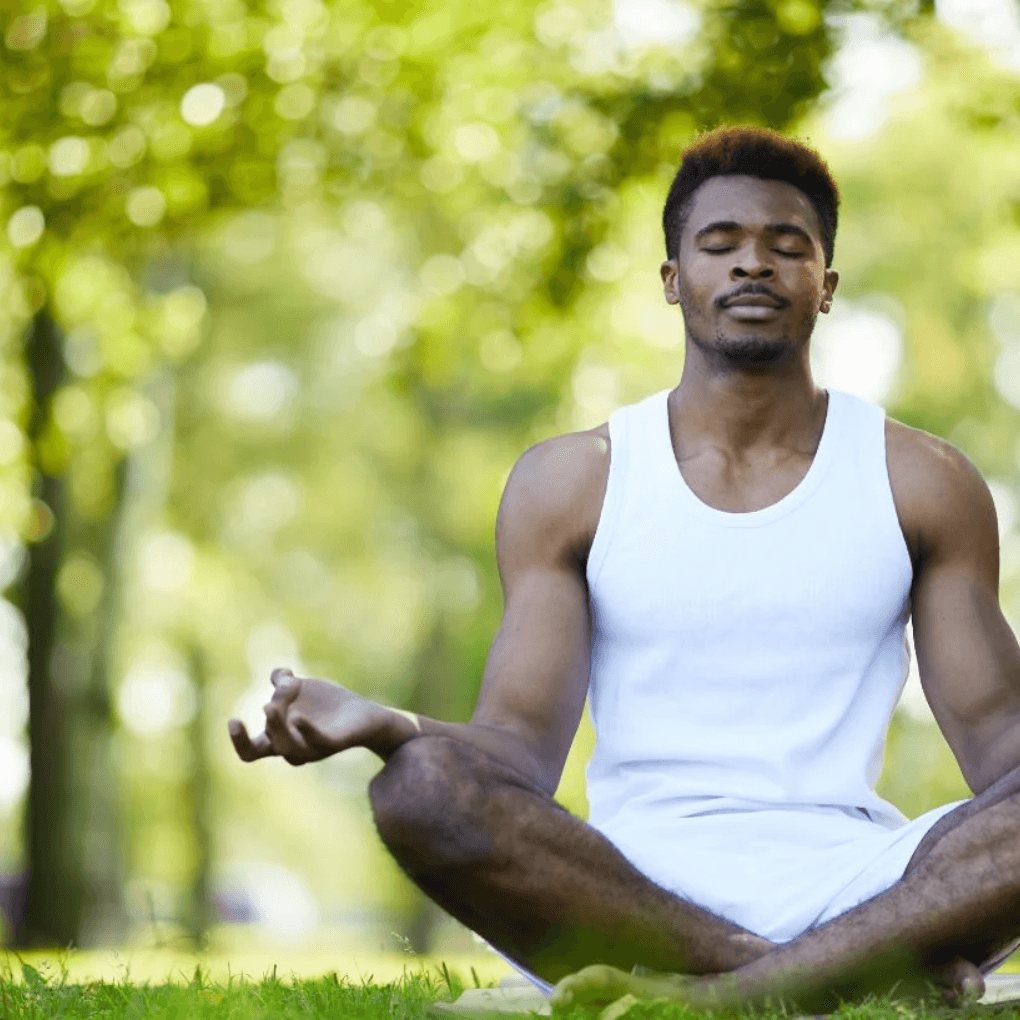
Mindfulness is the practice of being fully present in the moment, without judgment. It’s a powerful way to reconnect with yourself and reduce stress. Start by focusing on your breath—spend a few minutes each day breathing deeply, holding for a moment, and then slowly releasing. You can also try a body scan by closing your eyes and mentally scanning your body from head to toe, paying attention to any areas of tension or discomfort. If you’re new to meditation, consider using a guided meditation app to help you stay focused and calm. These practices are excellent tools for creating mental clarity and reducing anxiety. With regular practice, you’ll develop a deeper sense of self-awareness and connection.
Take Time for Creative Expression
Being creative isn’t just for artists—engaging in creative activities can help you reconnect with your inner self and relax. Journaling is a wonderful way to start; writing down your thoughts and feelings can help you process emotions and clear your mind. Drawing or painting offers therapeutic benefits, even if you don’t consider yourself an artist, allowing you to express yourself freely. Crafting, whether it’s knitting, crocheting, or tackling DIY projects, helps you feel focused and present in the moment. Taking time for creative expression not only encourages relaxation but also helps you tap into your emotions and fosters greater self-awareness.
Nourish Your Body with Healthy Food Choices
What you eat has a direct impact on how you feel, making it essential to nourish your body with healthy food to boost energy levels and overall mood. Aim for balanced meals that include a variety of fruits, vegetables, whole grains, and lean proteins to support your well-being. Staying hydrated is equally important, so make it a habit to drink plenty of water throughout the day to keep your energy up. Practice mindful eating by paying attention to how your body feels as you eat, savoring each bite, and tuning in to your hunger cues. Prioritizing nutrient-rich foods and eating with awareness helps you feel better both physically and mentally.
Emotional Self-Care Practices
Taking care of your emotional health is just as important as physical self-care. When you nurture your emotional well-being, you’re able to handle stress more effectively and build stronger relationships with others.
Set Boundaries to Protect Your Energy
Setting boundaries is an essential form of self-care that safeguards your emotional health and prevents you from feeling overwhelmed. Learning to say no is a crucial step—allowing yourself to decline activities or commitments that drain your energy helps you maintain balance. Taking breaks from social media can also reduce emotional burnout, giving you space to recharge and focus on what truly matters. Prioritizing yourself is key; it’s important to let go of any guilt for choosing your well-being over others’ demands. Establishing healthy boundaries empowers you to maintain emotional balance and protects you from burnout.
Reflect and Process Your Feelings
Taking time to reflect on your emotions can help you understand and manage them more effectively. Journaling is a helpful way to process your thoughts and feelings by putting them into words, providing clarity and relief. Talking to a trusted friend can also offer valuable perspective, as sharing your emotions often makes them easier to navigate. Practicing gratitude daily by reflecting on the things you’re thankful for can shift your focus toward positivity and foster resilience. These simple practices encourage emotional clarity, help you process your feelings, and build stronger emotional resilience over time.
Practice Self-Compassion
Self-compassion is about treating yourself with kindness, especially during challenging moments. Start by being mindful of your self-talk—avoid harsh self-criticism and speak to yourself as you would to a friend. Forgiving yourself for past mistakes is another essential step, allowing you to let go and focus on the present. Celebrate small wins along the way, acknowledging even the tiniest achievements as they contribute to your progress. Embracing self-compassion helps you build emotional strength and resilience, creating a healthier and more supportive relationship with yourself.
Physical Self-Care Rituals
Physical self-care is about taking care of your body and making sure you’re feeling your best. Simple rituals can help reduce stress and keep you feeling energized.
Engage in Gentle Physical Activity
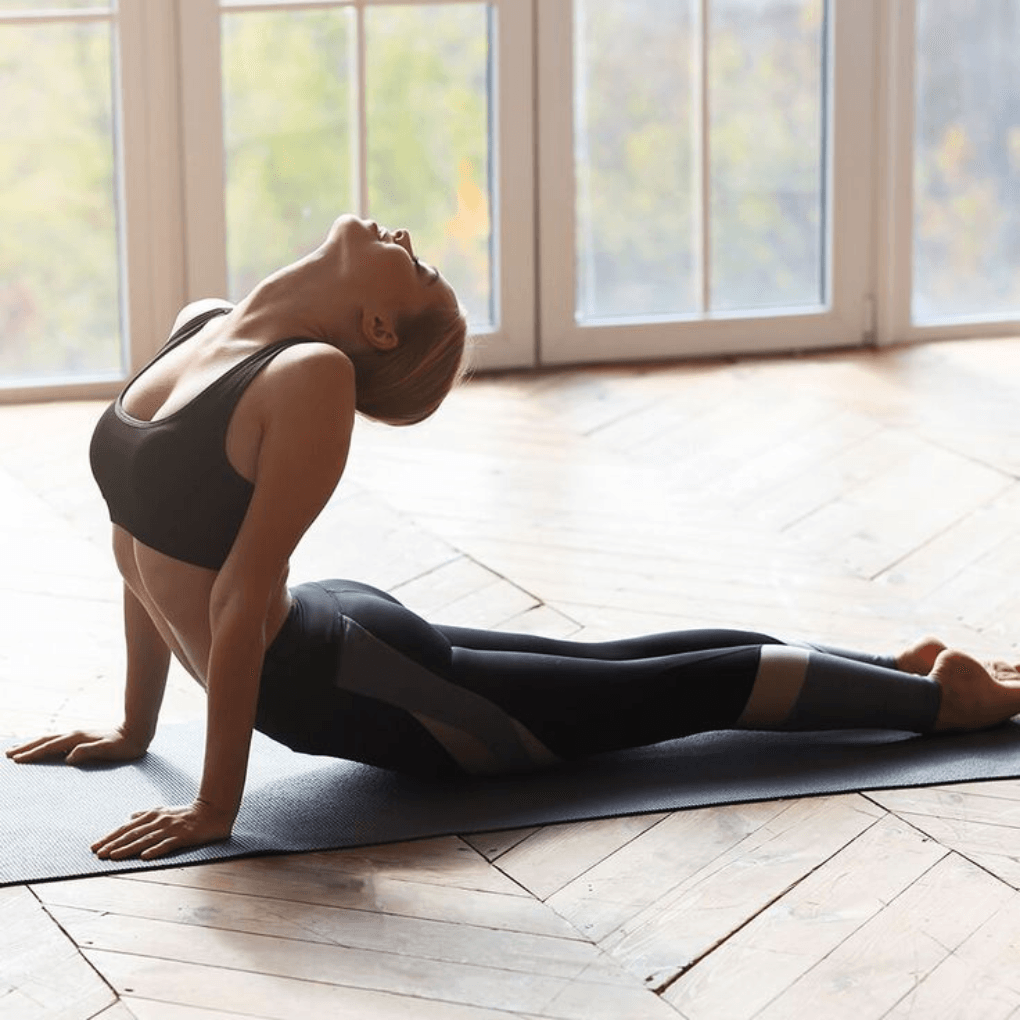
You don’t need an intense workout routine to take care of your body—gentle physical activities can relieve tension and uplift your mood. A simple walk outdoors can clear your mind and get you moving while connecting with nature. Yoga is another excellent option, offering benefits like improved flexibility and stress reduction. Adding stretches to your daily routine can help ease stiffness and support better posture. These gentle activities not only promote overall health but also create a sense of calm and balance in your day.
Prioritize Rest and Sleep
Rest is a cornerstone of mental and physical well-being, and getting enough sleep ensures you feel refreshed and energized each day. Establishing a consistent sleep routine by going to bed and waking up at the same time can improve your sleep quality. Limiting screen time before bed, ideally avoiding screens for at least 30 minutes, helps prepare your mind for rest. Creating a relaxing environment in your bedroom, such as a calm and inviting space, supports a restful night’s sleep. Prioritizing sleep is one of the most effective ways to care for your body and mind.
Enjoy a Relaxing Bath or Shower
Taking a warm bath or shower is a simple yet effective way to unwind and relax after a long day. Adding essential oils like lavender or chamomile can soothe your mind and body, creating a tranquil experience. Epsom salts are another excellent addition, as they can relax tense muscles and calm your mind. To enhance the atmosphere, light a candle or play soft music, turning your bath or shower into a calming ritual. This practice can be incredibly soothing, helping to relax both your body and mind.
Creating a Self-Care Routine that Fits Your Life
Build a self-care routine that fits your lifestyle by starting small and staying consistent. Choose one simple ritual, like journaling or stretching, and practice it daily. Keep it flexible to adapt to life’s unpredictability—small, steady changes lead to lasting habits.
Integrating Self-Care Into Your Day
Make self-care a natural part of your routine by taking short breaks during the day, scheduling it like any other commitment, and practicing mindfulness to check in with yourself. Regular self-care helps you maintain balance and turn it into a habit.
Conclusion
Self-care doesn’t have to be complicated. By incorporating easy rituals into your daily routine, you can reconnect with yourself and improve your overall well-being. Start small, be consistent, and find what works best for you. Self-care is an ongoing practice that helps you feel more balanced, happy, and at peace.