Nostalgia is a powerful feeling that connects people to the past, often evoking memories of simpler times. It’s a familiar emotion that people experience when they reflect on their childhood, past experiences, or even cultural moments from a different time. In recent years, nostalgia has played a significant role in reviving retro entertainment trends, especially in movies, television, music, and video games. This article explores how nostalgia influences the entertainment industry and why it continues to capture people’s hearts today.
Understanding Nostalgia and Its Influence
What is Nostalgia?
Nostalgia is a longing for the past, often triggered by memories of things, places, or experiences that once brought comfort or joy. It can be thought of as a warm feeling that links people to their history, whether it’s their childhood, a specific era, or even a particular song. The emotional connection people have with the past can make them feel good, even when looking back at tough or challenging times.
How Nostalgia Connects with People
Nostalgia allows people to feel a sense of belonging and connection to their past. It acts as a bridge, bringing comfort in times of uncertainty. When individuals remember happy moments from their younger years, it often brings feelings of security, happiness, and even a sense of identity. In a fast-paced world where everything is constantly changing, nostalgia provides a moment to reconnect with what feels familiar and safe.
The influence of nostalgia in entertainment comes from this emotional connection. It taps into these memories, bringing people back to the moments that shaped their lives and culture.
The Impact of Nostalgia on the Entertainment Industry
Movies and Television
The entertainment industry has found that nostalgia is a strong tool in attracting audiences. Filmmakers and television producers often revisit older films, TV shows, or themes to bring them into a modern context, creating a bridge between past and present entertainment. Reboots, remakes, and sequels of old TV shows and movies often do well at the box office or on streaming platforms.
For example, Netflix’s Stranger Things is a hit show that draws heavily from 1980s pop culture, incorporating elements of horror, science fiction, and adventure that were popular in that era. This nostalgic homage to the past has made the show appealing to both older viewers who lived through the ’80s and younger generations who enjoy exploring that era.
Other Examples of Nostalgic Entertainment in Film and TV:
- Star Wars sequels that bring back classic characters like Luke Skywalker and Princess Leia.
- Reboots of classic cartoons, such as Teenage Mutant Ninja Turtles or DuckTales.
- Documentaries and series exploring past decades, such as The Last Dance (focusing on Michael Jordan’s career).
Music and Concerts
Nostalgia also plays a significant role in the music industry. As older generations reminisce about their youth, they turn to the music they loved during that time. Vinyl records, which once seemed outdated, have made a massive comeback. The revival of these old-school formats, alongside artists from past decades going on concert tours, speaks to the power of nostalgia.
For example, ’80s and ’90s music often resurfaces in today’s modern playlists, both in traditional radio stations and streaming services like Spotify or Apple Music. The appeal lies in the emotional connection people have with songs that shaped their lives.
Why Music Revival Works:
- Music can evoke strong emotional memories tied to specific moments in life.
- Older songs offer comfort by reconnecting listeners to their past.
- Concerts from popular 80s or 90s bands often sell out, demonstrating the lasting power of these artists.
Nostalgia’s Role in Video Games and Gaming Culture
Classic Video Games Making a Comeback
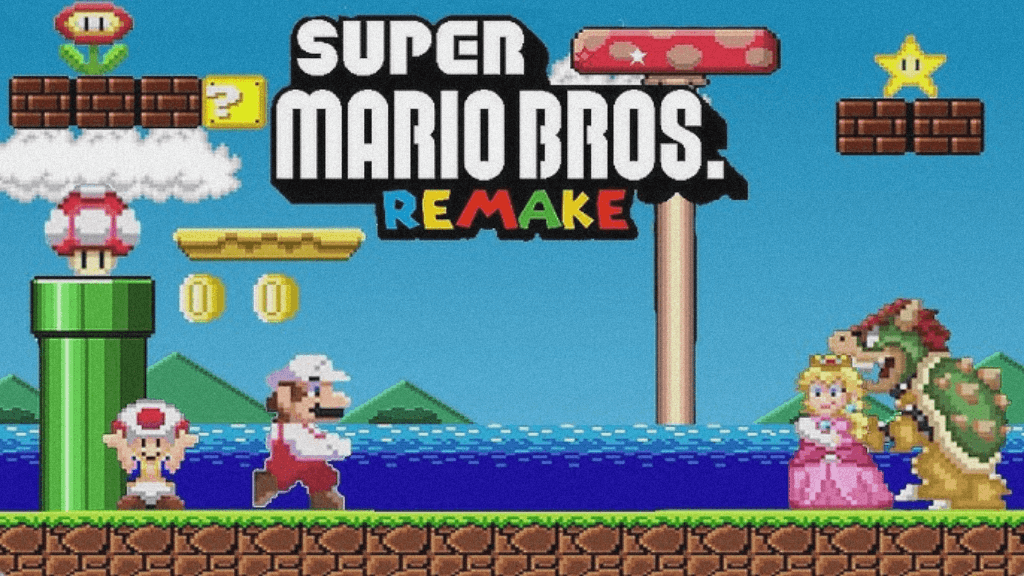
Video games are another area where nostalgia has had a major impact. Classic video games are enjoying a revival, thanks to remakes, remasters, and even retro game consoles like the NES Classic or the Sega Genesis Mini. These devices allow players to experience the old-school games they loved in their youth, from Super Mario Bros. to Street Fighter. Even though modern technology has evolved significantly, these games still hold a special place in the hearts of many.
Examples of Retro Games Making a Comeback:
- Super Mario Bros. Remakes and new titles featuring classic gameplay.
- Sonic the Hedgehog remastered for new consoles.
- Arcade classics like Pac-Man being re-released on mobile platforms.
Retro Gaming Communities
The nostalgia movement in gaming also exists through online communities and social groups. Retro gamers gather on forums or attend events dedicated to classic games, creating a sense of camaraderie and nostalgia. These communities play a huge role in preserving gaming history and keeping the passion for older titles alive.
How Retro Gaming Communities Promote Nostalgia:
- Online forums where players discuss retro games and share tips.
- Conventions dedicated to retro gaming and classic consoles.
- YouTube channels that focus on the history and preservation of old games.
Why Nostalgia Works in Today’s Society
A Desire for Simpler Times
Modern society is fast-paced, and people often feel overwhelmed by constant changes and pressures. Nostalgia offers a way to escape this fast-moving world and return to a time that felt easier and more comforting. People yearn for the simpler days of their youth, when technology wasn’t so overwhelming, and life seemed less stressful.
This desire for simpler times is especially strong among people who grew up before the rise of social media, smartphones, and the 24/7 news cycle. Nostalgia allows them to relive those memories and briefly escape from the pressures of modern life.
Nostalgia as a Marketing Tool
Companies have realized the power of nostalgia in attracting consumers. By bringing back old products or referencing past trends in advertising campaigns, businesses tap into people’s emotional memories, which can increase their brand loyalty and sales.
For example, the Coca-Cola company has often used nostalgic advertisements, such as bringing back retro packaging or referencing their past commercials during holiday seasons. Similarly, Nike and other brands have used retro designs and collaborations with past sports stars to appeal to older generations while still attracting younger audiences who admire the past.
How Businesses Use Nostalgia:
- Advertising using vintage packaging and themes.
- Product lines that reintroduce old favorites, like limited edition sneakers or clothing styles.
- Collaborations with past celebrities or brands to bring back retro designs.
Conclusion
Nostalgia is more than just a feeling; it’s a powerful tool that is influencing the entertainment industry and society as a whole. Whether it’s movies, television, music, or video games, retro entertainment trends are experiencing a revival thanks to the emotional connections people have with their past. As long as people continue to seek comfort and familiarity in a constantly changing world, nostalgia will remain a significant force in shaping the trends and products of tomorrow.