Proper footwear is essential for a child’s overall growth and development. It goes beyond fashion or comfort—shoes play a crucial role in shaping physical health, emotional confidence, and lifelong mobility. Choosing the right shoes for children is an investment in their future.
Why Proper Footwear Matters in Child Development
Children’s feet grow rapidly during their early years, and wearing the wrong shoes can disrupt this natural process. Shoes that fit poorly or lack the necessary support may lead to foot deformities, discomfort, or even posture issues. This, in turn, can affect a child’s ability to walk, run, and play freely, impacting their confidence and physical health.
Proper footwear also protects the feet from injuries and provides the stability children need as they explore their surroundings. From their first steps to active sports, the right shoes set the foundation for their physical development and well-being.
Physical Benefits of Proper Footwear
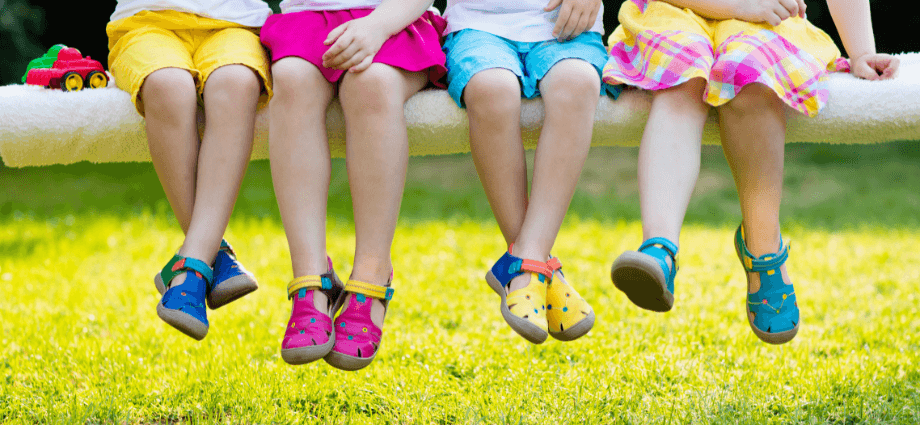
The physical advantages of proper footwear are vital for a child’s health and daily activities. Shoes that fit well promote natural growth and safeguard against injuries, ensuring kids stay active and healthy.
Supports Natural Foot Growth
Children’s feet are soft and delicate, requiring shoes that allow them to grow naturally. Tight or ill-fitting shoes can restrict this growth and cause problems such as:
- Bunions and blisters.
- Ingrown toenails.
- Misalignment of toes or arches.
Ensuring shoes have ample room for toes to move freely is critical for healthy development.
Promotes Healthy Posture and Balance
Footwear impacts a child’s posture and overall balance, influencing their ability to walk, run, and stand upright. Poorly designed shoes can strain the spine, leading to back pain or poor walking patterns. Conversely, well-cushioned and supportive footwear helps maintain a child’s natural alignment.
Protects Feet from Injury
Children are often active, which exposes their feet to potential injuries. Proper shoes provide a protective barrier, shielding feet from:
- Sharp objects on the ground.
- Uneven surfaces that can cause sprains.
- Extreme weather conditions.
By offering support and cushioning, the right footwear minimizes the risk of accidents.
Psychological and Emotional Impacts
Shoes also play an important role in a child’s emotional and mental well-being. The right footwear can boost their confidence and encourage them to be more active.
Boosts Confidence and Self-Esteem
When children wear comfortable and well-fitted shoes, they feel secure while moving around. This sense of safety allows them to explore their environment without fear of falling or hurting themselves. Additionally, wearing stylish and appropriate footwear helps enhance their self-image, fostering confidence in social settings.
Encourages Active Play
Active play is crucial for physical and mental development, and proper footwear can make these activities more enjoyable. Shoes that are too tight or uncomfortable may discourage children from running, jumping, or playing sports. On the other hand, supportive and flexible footwear enables them to participate freely and enthusiastically.
How to Choose the Right Footwear for Children
Selecting the right shoes for your child doesn’t have to be complicated. Focusing on comfort, material, and activity level can ensure they have the support they need.
Prioritize Fit and Comfort
A good fit is the most critical factor in choosing footwear for kids. Shoes should:
- Allow a thumb’s width of space between the toes and the shoe’s edge.
- Have adjustable features like laces or straps to ensure a snug fit.
- Avoid being too tight or too loose to prevent blisters and instability.
Choose Breathable and Flexible Materials
Children’s feet can sweat more than adults, making breathable materials like leather or mesh essential. Shoes with flexible soles are also important as they mimic the natural movement of the feet and provide better comfort.
Consider Age and Activity Level
The type of footwear needed depends on the child’s stage of development and daily activities:
- Infants: Soft, non-restrictive shoes to protect their delicate feet.
- Toddlers: Lightweight shoes with non-slip soles for better balance.
- Older children: Sturdy footwear designed for sports and outdoor activities.
Long-Term Consequences of Improper Footwear
Improper footwear during childhood can have lasting effects on physical health and mobility. Addressing this early can prevent future complications.
Risk of Permanent Foot Deformities
Footwear that is too tight or unsupportive can cause permanent issues, such as flat feet or toe misalignment. These problems may not be immediately noticeable but can lead to chronic discomfort and the need for corrective treatments later in life.
Impacts on Mobility in Adulthood
Poor footwear choices during childhood can have long-term effects, including joint pain, difficulty walking, or reduced physical activity. Establishing good footwear habits early ensures children grow up with healthier feet and fewer mobility issues as adults.
Conclusion: Invest in Your Child’s Future with Proper Footwear
Proper footwear is more than just a necessity—it’s an investment in a child’s physical, emotional, and long-term health. The right shoes protect against injuries, support growth, and encourage confidence and active play. By prioritizing fit, materials, and activity level, parents can ensure their children grow up with healthy, strong, and happy feet.