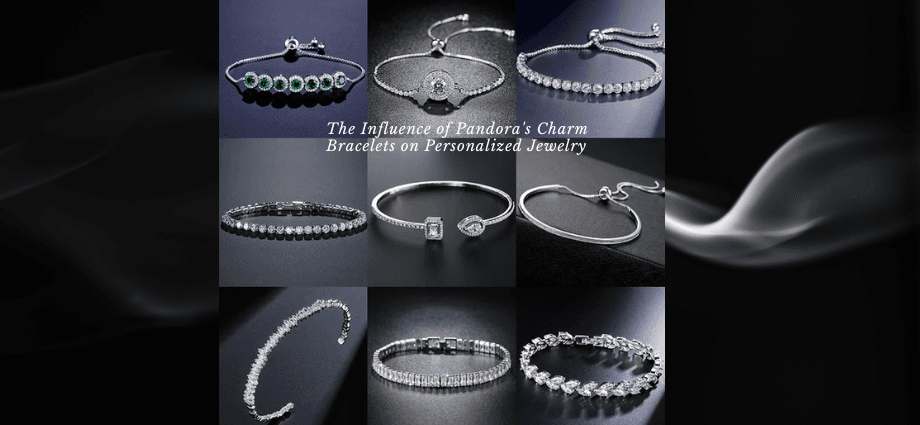
Pandora’s charm bracelets have become iconic in the jewelry world, transcending their original role as simple accessories. They have sparked a global movement towards personalized jewelry, offering consumers a way to express their individuality and capture personal moments through design. Since their inception, these charm bracelets have redefined the concept of meaningful jewelry. In this article, we will explore how Pandora’s charm bracelets have influenced the personalized jewelry industry and how this trend has evolved over time.
The Rise of Pandora’s Charm Bracelets
Origins of Pandora Jewelry
Pandora was founded in 1982 by Per Enevoldsen and his wife, Winnie, in Copenhagen, Denmark. Initially, Pandora operated as a small jewelry shop, but the brand grew rapidly in the 1990s when it introduced its signature charm bracelet. The concept behind these bracelets was innovative for its time—allowing customers to add individual charms that symbolized different aspects of their lives. This was a departure from traditional jewelry designs, where pieces were fixed and static.
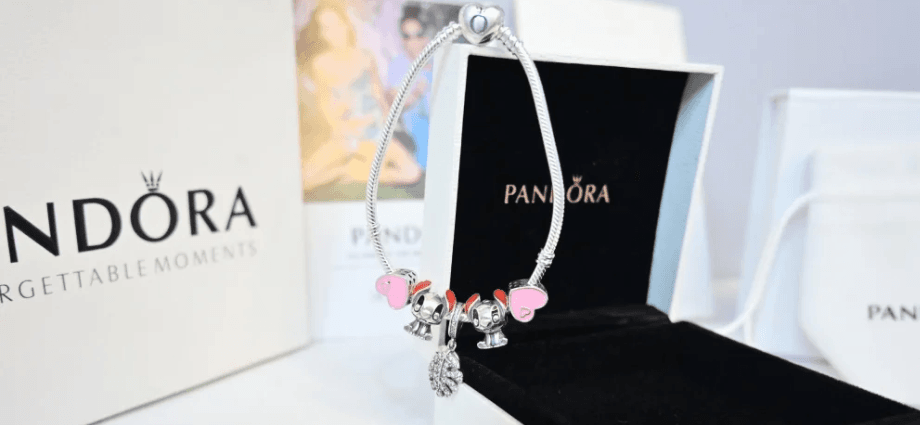
The charm bracelet was launched in 2000 and became an instant success. Pandora’s modular design allowed for customization, enabling customers to personalize their pieces over time. Charms could represent different milestones such as family events, travel, personal hobbies, or other significant life experiences. The unique selling point was not just the quality of the jewelry, but the ability for customers to tell their own stories through their charms.
Popularity Surge
The popularity of Pandora’s charm bracelets surged because of their customizable nature. Jewelry, once thought of as static and uniform, had become a canvas for personal expression. The charm bracelet trend appealed to consumers looking for meaningful pieces that could reflect their lives, relationships, and identities. The idea that you could add or change charms to reflect different moments in your life made these bracelets highly adaptable.
Pandora’s model of selling both in physical stores and online helped expand its reach globally. It gave customers easy access to a wide variety of charms, making it convenient for them to add to their collection. As a result, the brand quickly gained a loyal customer base, and Pandora charm bracelets became a symbol of both style and sentimentality.
Personalized Jewelry Trends in the Modern Era
Shift Towards Personalization
In recent years, there has been a significant shift in consumer behavior towards personalized products. This change is not limited to jewelry; it spans a range of industries, from fashion to home decor. Consumers now seek out products that are not just functional but also express their individuality. This is especially true when it comes to jewelry, which has long been a form of self-expression.
People are increasingly drawn to personalized jewelry because it offers a deeper connection than mass-produced pieces. Customization allows for items that reflect one’s identity, experiences, and relationships. For many, owning a piece of jewelry with personal meaning—whether it’s through engraving, color, or charms—has become more valuable than simply buying something beautiful off the shelf.
Pandora’s Role in the Movement
Pandora played a pivotal role in popularizing the trend for personalized jewelry. By offering customizable charm bracelets, the brand tapped into the growing desire for self-expression through fashion. What made Pandora’s approach so successful was not just the customization of the bracelets, but also the ability to make each piece unique and reflective of an individual’s life journey.
Pandora’s charm bracelets allowed customers to add charms over time, turning what was once a simple piece of jewelry into a personal collection. Each charm could represent a significant event or sentiment, creating an evolving piece of jewelry that told a story. This concept resonated with a wide range of consumers—whether young adults wanting to commemorate milestones or older individuals seeking to capture cherished memories.
Moreover, Pandora’s strategy of making charms for various life events, hobbies, and interests ensured that customers could find something meaningful to add to their bracelets. The ability to build a bracelet that reflected their individual experiences was a game changer in the world of jewelry.
How Pandora’s Charm Bracelets Influence the Jewelry Market
Impact on Other Brands
Pandora’s success with its charm bracelets didn’t go unnoticed. Many other jewelry brands saw the potential of the personalized jewelry market and quickly followed suit. Major players such as Tiffany & Co., Chamilia, and Swarovski introduced their own versions of customizable charm bracelets, trying to replicate Pandora’s formula for success.
Tiffany & Co. launched its Tiffany Charmed collection, a customizable jewelry line that allowed customers to add their own charms, similar to Pandora’s approach. Swarovski’s collection incorporated their signature crystals into customizable bracelets, offering a touch of elegance alongside personalization. Meanwhile, Chamilia, a direct competitor to Pandora, focused on similar themes of customization, offering a wide array of charms for customers to choose from.
Pandora’s charm bracelet line also influenced the overall direction of the jewelry market. The success of these bracelets showcased a clear consumer demand for personalization in accessories, prompting other brands to rethink their designs and focus on offering more bespoke options to attract customers looking for individualized pieces.
Economic Influence
Pandora’s charm bracelets have also had a significant economic impact on the jewelry industry. The brand’s success has helped drive the growth of the global jewelry market, particularly in the area of personalized products. Pandora’s unique business model, which emphasizes both in-store and online sales, has made personalized jewelry accessible to a wide range of consumers around the world.
The introduction of customizable charm bracelets has not only increased the demand for personalized jewelry but has also opened up new opportunities for retail growth. Pandora’s charm bracelet collections remain among its top-selling items, contributing heavily to the brand’s revenue. In fact, the charm bracelet line has become the cornerstone of Pandora’s product offerings, leading to steady growth in both sales and market share.
Consumer Experience and Sentiment
Emotional Connection with Jewelry
The emotional connection that consumers have with Pandora’s charm bracelets is one of the key reasons for their popularity. Jewelry, traditionally seen as a luxury item, has been transformed into a deeply personal object that holds sentimental value. With Pandora’s charm bracelets, each charm represents a meaningful experience, be it a wedding, the birth of a child, a special trip, or a personal achievement.
This emotional connection is powerful because it makes the jewelry more than just a fashion accessory. It becomes a symbol of life’s moments, something to hold onto as a reminder of what has been experienced. For many, creating a charm bracelet becomes a way to visually document their journey through life, adding new charms as they reach new milestones.
Social Media and Pandora’s Charm Bracelets
Social media has also played an important role in spreading the appeal of Pandora’s charm bracelets. Platforms like Instagram and Pinterest are filled with photos of customized bracelets, where users share their personal designs and the stories behind the charms they’ve chosen. This has helped create a community around Pandora’s products, with people exchanging ideas and inspiration for their own charm bracelets.
Additionally, Pandora has embraced social media by partnering with influencers and running campaigns that encourage users to share their personalized charm bracelets online. These initiatives have not only boosted the visibility of Pandora’s products but also helped foster a deeper connection between the brand and its customers. Social media has provided a platform for people to showcase their individuality, and Pandora’s charm bracelets have become a way to participate in this online culture of self-expression.
Challenges and Controversies
Criticisms of Mass Customization
Despite their widespread popularity, Pandora’s charm bracelets have faced some criticism. One of the key criticisms revolves around the concept of mass customization. While the charms are designed to be personal, they are still mass-produced, leading some to argue that they lack true individuality. Critics claim that the high volume of charms available in the market means that they are not as unique as they might appear, which can diminish the authenticity of the personalization.
Ethical and Environmental Considerations
Pandora has also faced scrutiny over its environmental practices. While the brand has taken steps to improve its sustainability—such as using recycled silver and gold—concerns about the sourcing of raw materials continue to linger. As demand for Pandora’s charms grows, the brand faces increasing pressure to adopt more sustainable practices to meet consumer expectations for eco-friendly products.
Conclusion
Pandora’s charm bracelets have left an indelible mark on the jewelry industry, redefining how people approach personalization in fashion. By allowing consumers to tell their own stories through customizable pieces, Pandora has transformed jewelry into a deeply personal form of expression. The brand’s influence on the jewelry market is profound, and its role in popularizing personalized accessories will likely continue to shape the industry for years to come. As the demand for personalized jewelry grows, Pandora will remain a leading force in shaping how we connect with our accessories.