
Men’s underwear has undergone a fascinating transformation over centuries, reflecting not only personal comfort and hygiene but also broader societal, cultural, and technological shifts. From ancient loincloths to modern eco-friendly designs, underwear has evolved to meet changing needs, styles, and preferences. Today, it blends functionality with fashion, serving as an essential yet often overlooked garment. Understanding the evolution of men’s underwear provides insight into how practical necessities have been reimagined to cater to performance, aesthetics, and sustainability.
The History of Men’s Underwear
The journey of men’s underwear begins with basic coverings and evolves into the versatile and stylish garments we recognize today.
Ancient Undergarments
In ancient times, men relied on simple garments like loincloths for modesty and protection.
- Egyptians: Linen loincloths provided relief from the desert heat while offering basic coverage.
- Greeks and Romans: Used wool or leather wraps during physical activities, often pairing them with tunics for added practicality.
- Symbolic significance: These garments were often crafted with care, highlighting their importance in daily life.
Loincloths were a practical solution, prioritizing simplicity and functionality over aesthetics.
The Middle Ages and Early Modern Era
During the Middle Ages, braies became the standard for men’s underwear. These loose-fitting trousers, often tied at the waist, were worn under tunics or armor. By the Renaissance, the codpiece emerged, serving both functional and decorative purposes.
- The codpiece offered protection and, in some cases, was exaggerated as a status symbol.
- These garments reflected the growing complexity of fashion during this period.
This era saw men’s underwear begin to align with broader cultural and stylistic trends.
The Industrial Revolution
The Industrial Revolution brought significant advancements in textile manufacturing, making underwear more accessible to the general population.
- Mass production: Enabled the creation of affordable and uniform garments.
- Long johns: Became popular for their practicality, especially in colder climates.
- Durable materials: Cotton and wool were widely used, offering both comfort and affordability.
This period marked a shift toward functional designs that prioritized warmth and everyday utility.
Key Trends in Men’s Underwear
The evolution of men’s underwear styles reflects changing lifestyles, fashion influences, and advancements in fabric technology.
The Rise of Boxers and Briefs
The 20th century introduced two iconic styles: boxers and briefs.
- Boxers: Designed for comfort and breathability, inspired by athletic shorts.
- Briefs: Created in the 1930s for a snug, supportive fit.
- Cultural influence: Both styles gained popularity through marketing campaigns and celebrity endorsements.
These two styles remain staples today, catering to diverse needs and preferences.
Popularity of Athletic Styles
The rise of sportswear in the mid-20th century brought about specialized underwear for athletic purposes.
- Jockstraps: Provided support during high-impact activities.
- Compression shorts: Offered muscle support and reduced chafing for enhanced performance.
- Moisture-wicking fabrics: Improved comfort by keeping skin dry during intense workouts.
Athletic styles demonstrated how underwear could merge functionality with performance enhancements.
The Shift to Comfort and Style
The latter half of the 20th century saw an emphasis on combining comfort with style.
- Soft fabrics: Materials like modal and microfiber gained popularity.
- Branding: Labels like Calvin Klein turned underwear into a fashion statement.
- Designer appeal: Luxury brands introduced high-end options, elevating underwear beyond a functional item.
This period redefined underwear as an integral part of men’s fashion.
Modern Men’s Underwear Styles
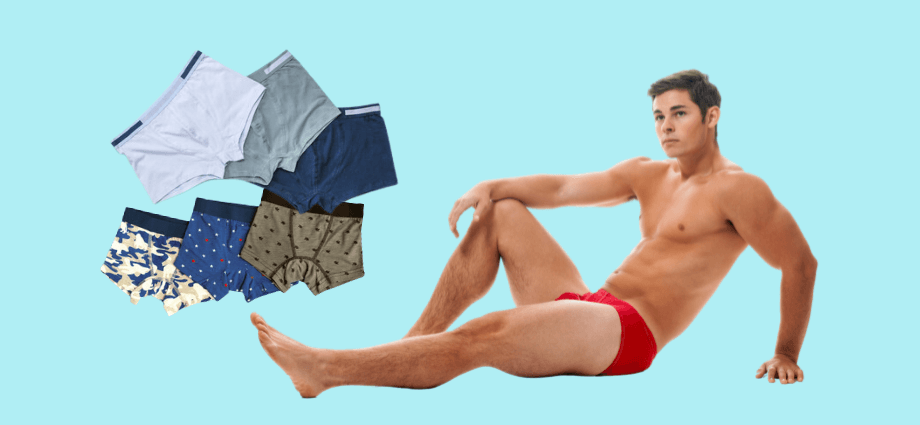
Today’s market offers a diverse range of underwear styles, catering to various needs and preferences.
Boxers, Briefs, and Boxer Briefs
Classic styles like boxers, briefs, and boxer briefs remain popular due to their distinct advantages.
- Boxers: Offer a loose, breathable fit, ideal for casual wear or lounging.
- Briefs: Provide support and are perfect for active lifestyles.
- Boxer briefs: Combine the benefits of both, offering support and extended coverage.
These options ensure men can find the right style for any occasion.
The Rise of Sustainable Underwear
Sustainability has become a significant focus in modern fashion, including underwear.
- Eco-friendly materials: Organic cotton, bamboo, and recycled fabrics are increasingly popular.
- Ethical production: Brands prioritize fair labor practices and environmentally conscious manufacturing.
- Durable designs: Promote longer use, reducing waste and environmental impact.
Sustainable underwear aligns with consumer demand for eco-conscious products.
The Role of Technology in Design
Technological advancements have transformed men’s underwear into highly functional garments.
- Moisture-wicking fabrics: Enhance comfort during physical activities.
- Odor-resistant materials: Keep wearers fresh throughout the day.
- Ergonomic designs: Feature contoured pouches and seamless construction for a superior fit.
Modern designs prioritize both comfort and performance, reflecting innovation in the industry.
The Future of Men’s Underwear
As the men’s underwear market evolves, it embraces trends like customization, inclusivity, and sustainability.
Personalization and Customization
With advancements in technology, personalization is becoming a key trend.
- Custom fits: Online retailers use sizing technology to offer tailored designs.
- Personalized aesthetics: Allow consumers to choose colors, patterns, and fabrics.
- Unique designs: Reflect individuality while ensuring a perfect fit.
This trend highlights the growing demand for bespoke garments.
Gender-Neutral and Inclusive Designs
Inclusivity is reshaping the fashion industry, including underwear.
- Gender-neutral options: Appeal to a broader audience.
- Diverse sizing: Accommodates various body types and shapes.
- Unisex styles: Combine comfort with versatility, catering to evolving fashion norms.
This shift reflects the importance of representation and inclusivity in modern design.
Sustainable Innovations
Sustainability continues to drive innovation in the underwear market.
- Biodegradable fabrics: Reduce the environmental impact of discarded garments.
- Zero-waste manufacturing: Minimizes waste during production.
- Circular fashion: Encourages recycling and repurposing old garments.
These innovations demonstrate how the industry is adapting to meet environmental challenges.
Conclusion
The evolution of men’s underwear is a reflection of changing cultural norms, technological advancements, and consumer demands. From ancient loincloths to modern sustainable designs, it has transformed into a garment that balances functionality, comfort, and style. Iconic styles like boxers and briefs remain staples, while innovations in moisture-wicking fabrics, ergonomic fits, and eco-friendly materials define today’s offerings. The future promises more personalization, inclusivity, and sustainability, aligning with shifting priorities in fashion. Men’s underwear is no longer just a necessity—it is a thoughtfully designed piece that enhances confidence and self-expression while addressing modern values of comfort and environmental consciousness. Its journey is a testament to progress in fashion.