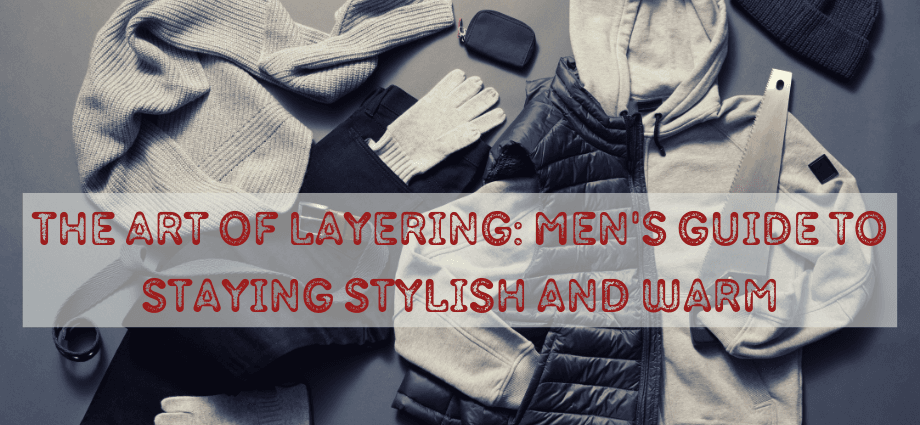
Layering is an essential skill for dressing stylishly while staying warm. Whether you’re heading out in chilly weather or facing a cold office, the right layers keep you comfortable and fashionable. Mastering layering means knowing how to combine different pieces to both protect against the elements and express your style. With the right approach, layering can become a key part of your wardrobe, offering flexibility and comfort for any occasion. This guide will help you understand the basics of layering, choosing the right fabrics, and styling your layers to achieve a sleek, warm look.
The Basics of Layering
Layering is the art of wearing multiple clothing items to regulate your body temperature and protect against the weather. There are three main layers to consider when dressing for cold weather: the base layer, middle layer, and outer layer. Each serves a unique purpose that, when combined, creates a balanced outfit.
What is Layering?
Layering is the technique of wearing multiple clothing pieces to stay warm and comfortable. Each layer has its function, whether it’s to trap heat, wick away moisture, or protect from wind and rain. The idea is that you can easily adjust your clothing based on the weather or your activity level by adding or removing layers as needed.
The Three Layers of Layering
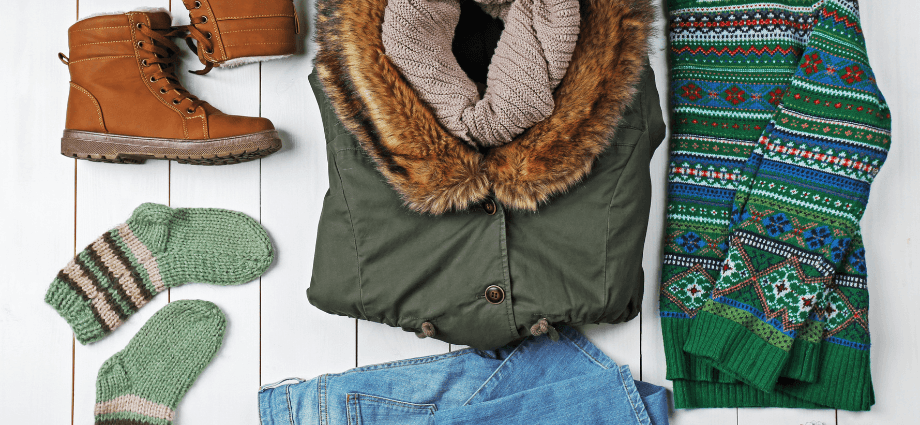
To achieve the perfect layering system, it’s important to understand the role of each layer.
- Base Layer: Worn closest to the skin, this layer helps wick moisture away to keep you dry. Materials like merino wool and synthetic fabrics are ideal for this purpose.
- Middle Layer: The main purpose of this layer is to provide warmth by trapping heat close to the body. Fleece, down, and synthetic insulation are common fabrics for this layer.
- Outer Layer: This layer protects you from the wind, rain, and snow. Waterproof jackets or windbreakers made from Gore-Tex or nylon help shield you from the elements.
Layering correctly ensures you’re protected from the cold while still being able to adjust your outfit to stay comfortable.
Choosing the Right Fabrics for Each Layer
The key to layering efficiently lies in choosing the right fabrics for each layer. Not all materials are created equal when it comes to insulation, moisture management, or protection from the elements. Here’s a breakdown of the best fabrics for each layer.
Best Fabrics for the Base Layer
The base layer should be made of materials that wick moisture away from your skin to keep you dry and warm. Ideal fabrics for this layer include merino wool and synthetic fibers such as polyester or nylon. These fabrics are breathable, moisture-wicking, and keep you comfortable while preventing body heat from escaping.
Best Fabrics for the Middle Layer
The middle layer’s job is to provide warmth by trapping heat close to the body. Ideal fabrics for the middle layer include:
- Fleece: Soft, lightweight, and breathable, offering good insulation.
- Down: lightweight and highly insulating, great for cold temperatures.
- Synthetic insulation (e.g., PrimaLoft): Less bulky than down but still warm and moisture-resistant.

This layer should be comfortable but not too thick, as it’s crucial for maintaining a balance of warmth and mobility.
Best Fabrics for the Outer Layer
The outer layer protects against wind, rain, and snow, so choosing durable, weather-resistant fabrics is key. Gore-Tex is a top choice because it’s both waterproof and breathable, ideal for wet conditions. Nylon and polyester are lighter options, offering water resistance and durability, though they may not be fully waterproof.
An effective outer layer helps keep you dry while allowing sweat and moisture to escape, ensuring you stay warm and comfortable throughout the day.
How to Style Layers for a Sleek, Fashionable Look
Layering doesn’t have to be bulky or awkward. With a few style tips, you can turn layering into a fashionable and practical way to dress.
Stick to a Color Scheme
Keeping your color choices simple and coordinated can make layering look sleek rather than messy. Neutral colors like black, navy, gray, and beige are easy to mix and match. You can also experiment with complementary colors, where subtle contrasts can make an outfit pop without clashing.
A consistent color scheme ensures that your layers fit together visually and not just functionally.
Play with Textures
Layering is a great way to mix textures, adding depth and visual interest to your outfit. For example, a wool sweater paired with a sleek leather jacket can create a stylish contrast. A fleece hoodie under a durable outer shell jacket can also provide a rugged yet functional look.
The key is to balance textures without overwhelming your outfit, creating a visually interesting look that still feels cohesive.
Proportions Matter
Balancing the fit of each layer is crucial for maintaining a clean, stylish look.
- Avoid too many bulky layers: Keep your middle layer thin if you’re wearing an outer jacket.
- Layer with purpose: Don’t just add layers for warmth—ensure each piece adds something functional and fashionable to the outfit.
A well-proportioned outfit looks intentional, rather than overstuffed or sloppy.
Common Layering Mistakes to Avoid
Even with the best intentions, layering can go wrong. Here are some common mistakes to avoid when mastering the art of layering.
Over-layering
Adding too many layers can make you feel bulky and uncomfortable. Stick to essential layers, focusing on the base, middle, and outer layers without adding unnecessary bulk. Only add extra layers if the weather truly calls for them. Too many layers can lead to overheating or a clumsy, unflattering silhouette.
Ignoring the Fit
The fit of your layers is essential for comfort and style. A poor fit can ruin an otherwise great look:
- Don’t layer with too-tight clothing: Layers should fit comfortably over each other without restricting movement.
- Avoid too-loose items: Layers that are too loose can add bulk and look sloppy.
A well-fitted outfit will always look more stylish and comfortable than an ill-fitting one.
Layering for Different Occasions
Layering can be adapted to fit both casual and formal settings, giving you versatility throughout the day.
Layering for Casual Wear
For casual settings, aim for comfort and ease:
- Hoodie under a denim jacket: A classic combination that’s both warm and stylish.
- Sweater and bomber jacket: Ideal for relaxed outings or weekend get-togethers.
Casual layering is all about practicality without sacrificing style.
Layering for Formal Occasions
Layering can also work in more formal settings. A well-fitted shirt with a sweater and a tailored coat creates a sharp, polished look. For more elegance, pair a wool suit with a vest and scarf, maintaining warmth while still looking sophisticated. When dressing formally, the key is to ensure your layers are sleek and tailored to maintain a clean, professional look.
Conclusion
Mastering the art of layering is a valuable skill that makes dressing for cold weather easier, more comfortable, and more stylish. By choosing the right fabrics, balancing proportions, and layering with purpose, you can look good and feel great no matter the temperature. Remember, layering isn’t just about staying warm—it’s also a way to express your personal style. Experiment with different combinations to find what works best for you, and make layering a fun and functional part of your wardrobe.