When you walk into a job interview, the first impression you make is based not only on your skills but also on your appearance. Dressing appropriately shows respect for the company, its culture, and the interview process. Your outfit speaks volumes about your professionalism, confidence, and how seriously you take the opportunity.
Understanding the Importance of Dressing Right for an Interview
Looking sharp is about more than just clothes. Your attire helps set the tone for the interview, influencing how you are perceived by the interviewer.
How Your Outfit Affects Your Interviewer’s Perception
Your outfit helps establish an image of your professionalism. A well-chosen outfit can communicate that you are detail-oriented and serious about the opportunity. Dressing well shows you care about making a good impression, demonstrates respect for the company’s culture, and boosts your confidence.
The right attire increases your chances of success by focusing the interview on your qualifications, not your appearance. A neat, professional look ensures you aren’t distracted by clothing issues during the conversation.
Dress Code Based on Industry
Understanding the dress code of the industry you’re applying to is essential. A lawyer’s firm will have a different standard than a tech startup.
- Corporate Jobs: Formal suits, ties, and dress shoes.
- Creative Jobs: Business casual with a little flair (such as a smart blazer and chinos).
- Tech Jobs: Often more relaxed, but still presentable (polo shirts or button-downs).
This helps you decide whether you need to go all out with a suit or opt for something more relaxed while still maintaining a polished appearance.
Key Elements of a Job Interview Outfit
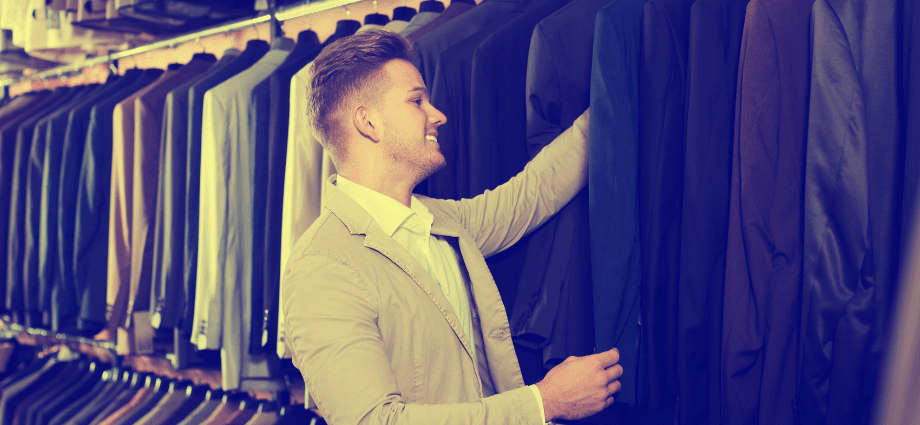
The right outfit includes several key components. From head to toe, your clothing should be coordinated and reflect a professional image.
Choosing the Right Suit or Jacket
The suit or jacket is often the centerpiece of your interview outfit. A well-fitted suit can make you look polished and put together.
- A dark, classic color like navy, black, or charcoal grey works best.
- Make sure the suit fits well—too tight or too loose can give off a sloppy appearance.
- Choose fabrics that don’t wrinkle easily and look crisp.
A good suit or jacket helps create a professional image and can make you feel more confident. It’s important to feel comfortable in your attire, so ensure it fits you well.
Shirt Selection
Your shirt should complement the suit or jacket. Light-colored shirts are always a safe bet, and they help maintain a clean and neat look. Opt for white, pale blue, or other neutral tones that go well with almost any suit color. Ensure the shirt is wrinkle-free, as a crumpled shirt can make you appear disorganized. Also, make sure the shirt fits well, not too baggy or too tight.
A crisp, well-chosen shirt enhances your overall look and reflects attention to detail.
Choosing Appropriate Trousers
Matching your trousers to your jacket is essential. They should be the right length, with a slim but comfortable fit. Trousers should reach the top of your shoe with no excess fabric bunching at the ankle. Ideally, the trousers should match or complement the color of the jacket for a coordinated look. Avoid overly casual pants, such as jeans or cargo pants.
Well-fitted trousers that match your jacket create a seamless, professional look.
Footwear and Accessories
A clean, professional look is completed with the right shoes and accessories. Keep these simple and minimal.
- Black or brown leather dress shoes are a solid choice.
- A matching belt to your shoes is important for continuity.
- Accessories should be kept minimal—just a watch and possibly a tie if necessary.
Shoes should always be polished, and avoid flashy or brightly colored accessories that could distract from your professionalism.
Grooming and Personal Hygiene
No matter how well your clothes fit, personal grooming is a key part of making a good impression at an interview.
Hair Care and Styling
A neatly groomed hairstyle is essential for looking professional.
- Keep your hair clean and styled in a way that suits your face shape.
- If your hair is longer, consider trimming it to a manageable length.
- Avoid overly styled or messy looks that may distract from your overall appearance.
A clean, professional hairstyle enhances your look and makes you appear polished and prepared.
Skin and Facial Care
A well-groomed face shows you pay attention to details.
- Make sure your skin is clean and free of noticeable blemishes.
- If you have facial hair, make sure it’s neatly trimmed and not overly long.
- Shaving is usually preferred unless you wear facial hair regularly.
Facial grooming is about maintaining a clean and neat appearance, which helps you feel more confident during your interview.
Keeping Clean and Fresh
Personal hygiene is crucial for making a good first impression. Shower the morning of the interview and use deodorant to stay fresh. Avoid wearing strong cologne, as it can be overpowering in an interview setting. Make sure your breath is fresh by brushing your teeth and using mouthwash.
Taking care of your hygiene shows that you are organized and respectful of the environment.
Dress Code Tips for Different Types of Interviews
Each type of interview has its own expectations for attire. Dressing appropriately for the setting and position is essential.
Corporate Jobs
For corporate jobs, such as those in finance, law, or consulting, formal attire is expected. Wear a well-fitted suit, a tie, and polished dress shoes. Stick to neutral colors like navy, black, or gray for a professional look. Keep accessories to a minimum, focusing on a simple watch and possibly cufflinks if appropriate.
This formal approach ensures you are seen as serious and prepared for the corporate environment.
Tech or Creative Jobs
The tech and creative industries tend to have more relaxed dress codes, but it’s important to look polished.
- A smart blazer and dress shirt can often suffice.
- Business casual is usually acceptable—avoid overly casual clothes like jeans or T-shirts.
- Dark, well-fitted jeans with a blazer can work if the environment is more laid-back.
Understanding the balance between professionalism and creativity is key in these fields.
In-person vs. Virtual Interviews
How you dress for an interview depends on whether it’s in-person or virtual. For in-person interviews, it’s essential to dress fully in your interview attire—suit, shoes, and accessories. For virtual interviews, focus on the upper half of your outfit, as only your upper body will be visible. You should still look neat and professional, even though you don’t need to worry about what’s below the waist.
Dressing appropriately for the setting shows that you are serious about the opportunity, no matter the format.
Common Mistakes to Avoid
Even with the right outfit, there are a few common mistakes that can hurt your chances. Avoid these errors to present yourself in the best possible light.
Overdressing or Underdressing
One of the most important aspects of dressing for an interview is matching the level of formality to the company’s culture.
- Overdressing may make you appear out of touch with the company’s environment.
- Underdressing can make you seem unprofessional.
Find a balance based on research into the company’s culture.
Wearing Distracting or Flashy Accessories
Accessories should complement your outfit, not distract from it. Avoid flashy jewelry or overly bright ties that can draw attention away from your qualifications. Keep it simple: a watch or belt is usually enough to complete your look.
Keep the focus on your skills, not on your accessories.
Wrinkled or Unclean Clothes
Nothing ruins a well-planned outfit like wrinkles or stains.
- Always iron your clothes before the interview.
- Check for lint or stains, and make sure your shoes are polished.
Attention to detail is crucial, as it shows that you take your interview seriously.
Conclusion
Dressing appropriately for your job interview not only ensures you make a great first impression but also boosts your own confidence. A well-fitted suit, attention to grooming, and simple accessories all contribute to your professional image. Your goal is to convey that you’re ready for the job and that you understand the importance of professionalism in the workplace. The right outfit can set the tone for a successful interview.