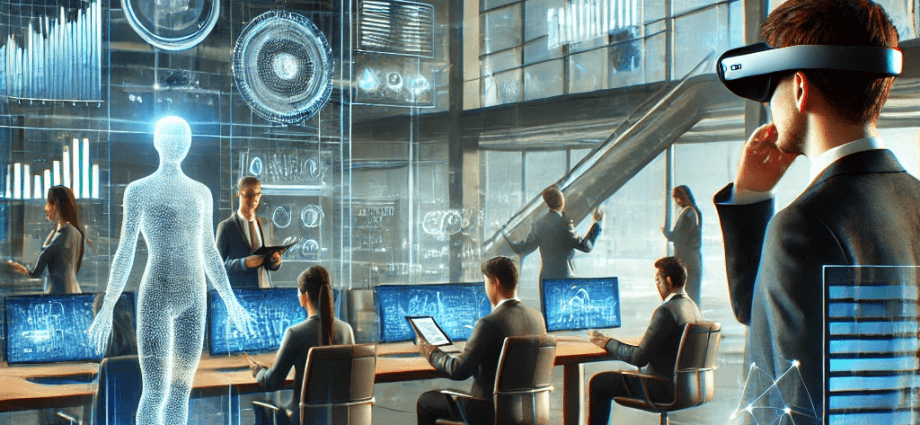
Magic Leap has been making waves in the augmented reality (AR) industry for several years. Known for its innovative technology and bold ambitions, Magic Leap is expanding rapidly to push the boundaries of what AR can do. The company aims to change the way we interact with the world by blending digital objects with the real environment. This article explores Magic Leap’s growth, technological advancements, and the industries it’s impacting as it continues to expand.
Magic Leap’s Growth Journey
Magic Leap’s journey from a small startup to a major player in the AR world has been nothing short of impressive.
From Startup to Industry Leader
- Magic Leap was founded in 2010, with the goal of creating cutting-edge AR technology.
- Early on, the company raised billions of dollars in funding, which helped them develop their first AR product, the Magic Leap One.
- The company faced many challenges, including skepticism about its technology and delayed product launches, but it steadily built a loyal customer base.
Despite these hurdles, Magic Leap quickly gained recognition as one of the leading AR companies.
Recent Expansion Efforts
Recently, Magic Leap has focused on expanding its reach and influence across various industries.
- The company has secured new funding from investors, allowing it to scale its operations.
- Magic Leap has formed strategic partnerships with key players in the tech industry, such as Google and Qualcomm.
- Additionally, the company has made several acquisitions, including purchasing smaller AR firms to enhance its technology and product offerings.
These efforts reflect Magic Leap’s drive to expand its market presence and solidify its leadership in AR technology.
Key Technological Advancements

Magic Leap has always been at the forefront of technological innovation. Here are some of the key advancements that set it apart in the AR space.
Enhanced AR Hardware
One of the biggest advancements Magic Leap has made is in its hardware, particularly with the launch of the Magic Leap 2.
- Lighter and More Comfortable: The Magic Leap 2 is lighter and more comfortable than its predecessor, making it easier for users to wear for extended periods.
- Improved Optics: The new hardware features a wider field of view, providing a more immersive AR experience.
- Higher Resolution: The Magic Leap 2 offers higher resolution, ensuring clearer and more detailed digital objects when projected into the real world.
These hardware upgrades make Magic Leap’s AR technology more practical and accessible for a wide range of users.
Cutting-Edge Software and AI
Magic Leap’s software innovations also play a significant role in improving the user experience.
- Advanced Spatial Mapping: Magic Leap uses spatial computing to map the real world in real-time, allowing digital objects to interact seamlessly with physical surroundings.
- AI-Driven Interactions: Magic Leap integrates artificial intelligence to make the AR environment more interactive. For example, AI helps users interact with virtual objects in a natural way, such as using hand gestures to manipulate them.
- Improved Development Tools: The company offers a suite of development tools that help creators build immersive AR applications more easily.
These software and AI advancements make Magic Leap’s AR platform not only powerful but also highly versatile for developers and users alike.
Magic Leap’s Impact on Industries
Magic Leap’s technology is having a transformative impact on various industries. Here’s a look at how its AR innovations are being used in different fields.
Healthcare and Medicine
AR is revolutionizing healthcare, and Magic Leap is at the forefront of this change.
- Surgical Assistance: Surgeons are using AR to overlay critical information, like 3D images of organs, directly onto their patients during surgery. This helps improve accuracy and reduces the risk of errors.
- Remote Consultations: Doctors can conduct remote consultations using AR to interact with patients more effectively, guiding them through medical procedures or diagnoses.
- Medical Training: Medical students and professionals can use Magic Leap devices for virtual training, simulating complex medical scenarios in a safe, controlled environment.
Magic Leap’s AR tools are helping healthcare professionals make better decisions, improve patient care, and train the next generation of doctors and surgeons.
Education and Training
The education sector is also benefiting from Magic Leap’s AR technology.
- Interactive Learning: Students can use AR to explore interactive lessons, such as virtual field trips to historical landmarks or 3D models of the solar system.
- Skill Development: Magic Leap’s AR platform can simulate real-world scenarios, allowing individuals to practice skills like machinery operation, cooking, or technical troubleshooting in a virtual environment.
- Remote Learning: With AR, students and teachers can interact in virtual classrooms, enhancing the learning experience, especially in remote or hybrid education settings.
This immersive approach to learning makes education more engaging and effective for students of all ages.
Manufacturing and Design
Magic Leap’s technology is also changing the way industries like manufacturing and design operate.
- Prototyping and Design: Engineers and designers use Magic Leap’s AR devices to create and test prototypes in a digital environment, allowing for faster and more efficient product development.
- Collaborative Work: Teams can collaborate in virtual spaces, regardless of their physical location. This makes it easier for global teams to work together on complex projects.
- Maintenance and Repair: AR can assist workers in manufacturing plants by overlaying step-by-step instructions on machines, guiding them through repair or assembly tasks.
These applications help industries reduce costs, increase productivity, and improve safety in the workplace.
Future of Magic Leap and AR
Magic Leap’s expansion is just the beginning, and the future of AR technology looks incredibly promising.
Upcoming Projects and Collaborations
Magic Leap has several projects in the pipeline aimed at pushing the boundaries of AR even further.
- New Product Launches: Magic Leap is expected to release upgraded versions of its hardware, with even better performance and more features.
- Collaborations with Tech Giants: The company is likely to continue forming partnerships with major players in tech, such as Apple and Microsoft, to strengthen its position in the AR market.
- Industry-Specific Solutions: Magic Leap is also focusing on creating tailored AR solutions for industries like retail, real estate, and entertainment.
These efforts will help Magic Leap expand its technology into new sectors and increase its market influence.
The Long-Term Vision for AR
Looking ahead, Magic Leap aims to become a leader in the AR space, contributing to the widespread adoption of AR in daily life.
- AR in Everyday Life: The company envisions a world where AR is seamlessly integrated into everyday tasks, such as shopping, commuting, and socializing.
- AI and AR Convergence: As AI continues to evolve, Magic Leap plans to integrate even more advanced AI features into its AR experiences, making them smarter and more interactive.
- Global Accessibility: Magic Leap’s long-term vision includes making its AR technology affordable and accessible to people around the world.
With these goals in mind, Magic Leap is positioning itself to lead the charge in the future of AR technology.
Conclusion
Magic Leap’s expansion is a key driver of the growth in the AR industry. Through groundbreaking hardware, innovative software, and strategic partnerships, the company is shaping the future of augmented reality. With continued advancements in healthcare, education, manufacturing, and beyond, Magic Leap is proving that AR has the potential to revolutionize the way we interact with the world. The future of AR looks bright, and Magic Leap will likely remain at the forefront of this exciting technological evolution.