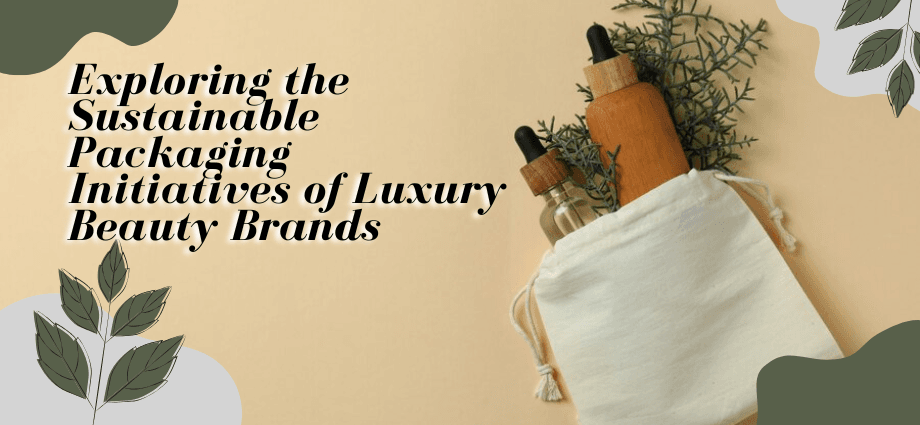
Sustainability has become a cornerstone of the beauty industry, with consumers demanding eco-friendly practices. Luxury beauty brands are stepping up by adopting sustainable packaging initiatives, balancing elegance with environmental consciousness. This article dives into the innovative strategies these brands are employing to reduce their environmental footprint.
Why Sustainable Packaging Matters in Luxury Beauty
Sustainable packaging plays a crucial role in the fight against environmental degradation. For luxury beauty brands, it also aligns with evolving consumer expectations.
Addressing Environmental Concerns
Packaging waste contributes significantly to global pollution, with plastics often taking hundreds of years to decompose. The beauty industry’s reliance on plastic has made it a key area for sustainable reform. Over 120 billion units of packaging are produced annually by the cosmetics industry, much of which ends up in landfills or the ocean. Reducing packaging waste can significantly lower carbon footprints and help protect the planet.
Aligning with Consumer Values
Today’s consumers are more environmentally conscious than ever before. They prefer brands that take tangible steps toward sustainability. Eco-friendly packaging not only builds trust but also aligns with the values of Gen Z and millennials, who prioritize green initiatives. For example, luxury brands like Kiehl’s encourage consumers to return empty containers through recycling programs, and their Ultra Facial Cream now comes in 30% recycled plastic packaging.
Key Sustainable Packaging Strategies by Luxury Beauty Brands
Luxury beauty brands are innovating their packaging designs to reduce waste and enhance sustainability. Here are some of the most impactful strategies they are using.
Using Recycled Materials
Brands like Chanel and Dior are incorporating recycled materials into their packaging to minimize resource use. For instance, Chanel’s Les Eaux fragrance bottles use recycled glass, while Dior’s Hydra Life line incorporates eco-friendly materials in its containers. Estée Lauder’s Advanced Night Repair Serum now comes in a recyclable glass bottle, showcasing a commitment to sustainability without compromising quality.
Refillable Packaging Innovations
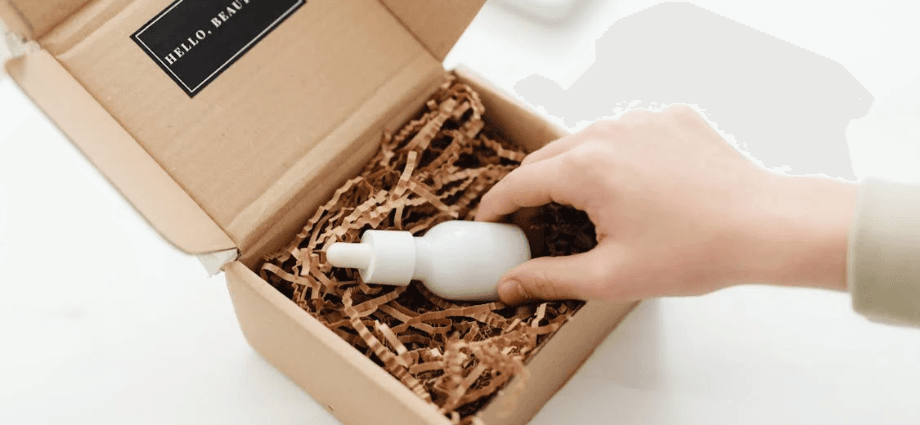
Refillable systems are gaining traction as they allow consumers to reuse containers, cutting down on waste. Hermès has introduced refillable lipstick cases that combine luxury with functionality. Similarly, Lancôme’s Idôle fragrance bottles offer refill stations at select stores, and Charlotte Tilbury’s Magic Cream jars are designed for refillable use. These innovations reduce waste while offering convenience to consumers.
Minimalist and Biodegradable Designs
Minimalist packaging focuses on using fewer materials without compromising aesthetics, while biodegradable options ensure packaging breaks down naturally. For example, Aveda uses biodegradable caps and bottles for its haircare range, and Shiseido’s WASO line incorporates plant-based materials. L’Occitane’s eco-refills, which use 90% less material than traditional packaging, demonstrate the brand’s commitment to sustainability. Their Almond Shower Oil refill pouch is a prime example of this initiative.
Collaboration with Environmental Organizations
Luxury beauty brands often partner with environmental organizations to amplify their sustainable efforts. MAC Cosmetics collaborates with TerraCycle to recycle product containers, while Guerlain’s partnership with UNESCO supports biodiversity initiatives. Lush’s Bring It Back program allows customers to return empty pots and bottles in exchange for discounts, incentivizing recycling behavior.
Challenges Luxury Brands Face in Implementing Sustainable Packaging
While many luxury brands are making strides in sustainable packaging, they face significant hurdles in their journey.
Balancing Sustainability with Luxury Aesthetics
Luxury brands are expected to deliver high-end, elegant packaging. Striking a balance between sustainability and opulence is challenging, as sustainable materials often lack the premium feel of traditional options. For instance, high-end fragrances like Jo Malone’s minimalist yet luxurious designs showcase how brands navigate this delicate balance.
Cost and Supply Chain Issues
Sustainable packaging materials can be expensive and difficult to source. Eco-friendly materials often cost more than traditional options, and limited availability adds to the complexity. Despite these challenges, brands like Estée Lauder continue to innovate by investing in sustainable alternatives for their product lines, such as their glass packaging for the Pure Color Envy lipsticks.
The Future of Sustainable Packaging in Luxury Beauty
As the demand for sustainable practices grows, the future of luxury beauty packaging looks promising.
Emerging Trends
Technology and innovation are driving the development of cutting-edge sustainable solutions. Waterless packaging, such as Lush’s solid shampoo bars, reduces the need for bulky containers. Compostable materials, like those used in select products from The Body Shop, minimize environmental impact and pave the way for a greener future.
Increasing Industry Collaboration
Brands are collaborating to create industry-wide change. Sharing best practices and engaging in transparent reporting ensures accountability and builds consumer trust. Initiatives like the Sustainable Packaging Coalition encourage brands to adopt eco-friendly practices collectively.
How Consumers Can Support Sustainability in Beauty
Consumers play a critical role in encouraging sustainable practices within the beauty industry.
Making Informed Choices
Support brands that prioritize eco-friendly packaging and sustainability. Look for certifications like ECOCERT for organic cosmetics and the Forest Stewardship Council (FSC) for responsibly sourced paper packaging. Choosing products from brands like REN Clean Skincare, which uses 100% recyclable packaging, or Tata Harper’s farm-to-face skincare products in recyclable glass, can make a significant impact.
Recycling and Reusing
Consumers can minimize their environmental footprint by recycling and reusing packaging. Many brands, like Kiehl’s and Lush, offer programs that incentivize recycling. Repurposing containers for storage or decorative purposes is another creative way to extend their lifecycle. For instance, Jo Malone’s candle jars can be reused as elegant home decor items.
Conclusion
Sustainable packaging is no longer optional for luxury beauty brands. It’s a necessity driven by consumer expectations and environmental urgency. Through innovative strategies like refillable systems, biodegradable designs, and collaborations, brands like Chanel, Hermès, and MAC Cosmetics are redefining what luxury looks like in a greener future. Consumers, too, play a vital role by making informed choices and recycling responsibly. Together, brands and buyers can create a more sustainable beauty industry, ensuring luxury and eco-consciousness go hand in hand.