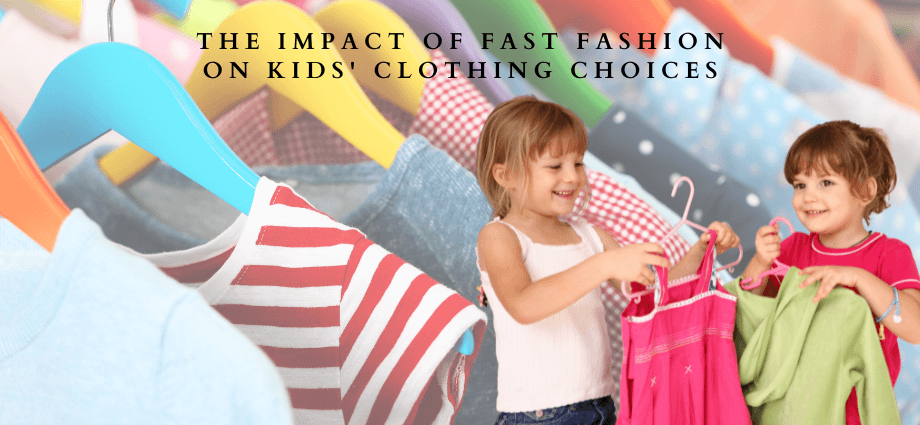
Fast fashion has revolutionized the way we shop, and its influence is especially apparent in children’s clothing. With the increasing availability of trendy, low-cost items, kids are now exposed to a never-ending cycle of new styles. This rapid turnover of fashion has led to shifts in how children choose and view their clothing. The fast fashion industry targets young consumers by offering affordable, on-trend clothing that keeps pace with shifting trends. As kids grow older, the pressure to fit in and keep up with their peers only intensifies. This article examines the impact of fast fashion on kids’ clothing choices, from psychological effects to environmental consequences, and offers suggestions for more sustainable alternatives.
The Rise of Fast Fashion and Its Influence on Kids’ Clothing Choices
What is Fast Fashion?
Fast fashion refers to the quick production of inexpensive, trendy clothing that reflects current fashion trends. These items are produced and sold in high volumes, with new collections introduced regularly, often on a weekly basis. Unlike traditional fashion cycles that see new collections released seasonally, fast fashion brands release new items at lightning speed, making it easy for kids to access the latest styles.
- Characteristics of fast fashion:
- Cheap materials and low production costs
- High volume of new clothing released frequently
- Clothing made to be worn for a short period before being discarded
Why Kids Are Targeted by Fast Fashion
The fashion industry has shifted its focus towards younger audiences in recent years. Kids are increasingly targeted through clever marketing techniques, social media influencers, and brand endorsements. Fast fashion brands have recognized that children are not just passive consumers—they can drive trends, influence family purchases, and create demand.
- Marketing tactics aimed at kids:
- Colorful, eye-catching advertisements
- Collaborations with popular children’s characters or celebrities
- Social media influencers promoting kids’ fashion trends
The Increasing Affordability and Availability
One of the biggest factors contributing to the dominance of fast fashion in kids’ clothing is the affordability and widespread availability. Parents often opt for low-cost clothing for their children because they know that kids quickly outgrow their clothes. The ease of online shopping has made fast fashion more accessible than ever, with just a few clicks delivering new outfits right to your door.
- Why fast fashion is affordable:
- Mass production and economies of scale
- Low-cost labor in countries with lax regulations
- Discounted prices due to cheap materials
The combination of trendy, affordable, and easily accessible clothing has made fast fashion the go-to choice for many parents.
Psychological Impact on Kids
The Pressure to Keep Up with Trends
Kids today are under immense pressure to fit in with their peers, and clothing plays a huge role in this. Fast fashion’s rapid pace of new releases fuels the desire for constant wardrobe updates, leading kids to feel like they must have the latest trends. This often translates into a cycle of buying clothes that are quickly out of style, encouraging overconsumption.
- Pressure to keep up:
- Peer influence: Kids feel pressured to wear what others are wearing to avoid exclusion
- Social media: Platforms like Instagram and TikTok amplify the desire for trendy clothing
- School culture: Kids often face judgment based on their appearance, with clothing choices affecting social status
Building Identity Through Clothing
For children, clothes are more than just functional; they are a means of self-expression. As children grow older, they begin to associate their clothing choices with their identity, using fashion to express personal style, interests, and status. Fast fashion, however, encourages kids to view clothing as disposable and ever-changing, which may result in confusion about what truly reflects their individuality.
- Impact of fast fashion on self-perception:
- Encourages a disposable attitude towards clothing, reducing long-term value
- Creates a sense of inadequacy if they cannot keep up with trends
- Links personal identity with material possessions, rather than values or personality traits
The Environmental and Ethical Disconnect
Kids are often unaware of the environmental and ethical implications of fast fashion. Parents may also lack knowledge about the environmental toll, leading to a disconnect between the clothes children wear and the consequences of their production. Teaching kids about sustainability and ethical fashion is crucial in fostering a generation that values more than just the appearance of their clothing.
- Ethical concerns:
- Child labor and unsafe working conditions in factories
- Excessive waste from cheaply made, low-quality clothing
- Negative environmental impacts, including water pollution and textile waste
The Environmental Consequences of Kids’ Fast Fashion
Overconsumption and Waste
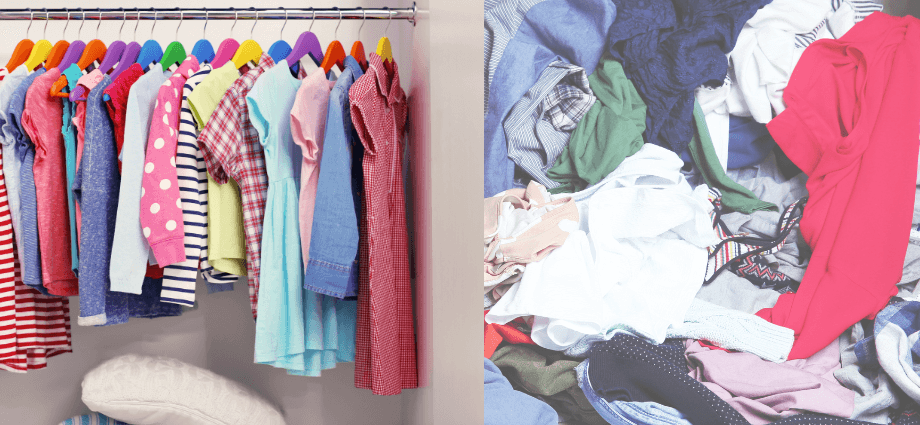
Fast fashion encourages a cycle of overconsumption. Kids often buy clothing in bulk due to the low prices, but because the quality is poor, these items are frequently discarded after only a few wears. This wasteful behavior contributes to growing landfills and increased textile waste.
- Consequences of overconsumption:
- Short lifespan of garments leads to constant replacement
- Clothing items are often not recyclable or biodegradable
- Increase in landfill waste from discarded clothing
The Ecological Footprint of Fast Fashion
The fast fashion industry has a massive ecological footprint, particularly in terms of water use, pollution, and carbon emissions. The materials used in children’s clothing, such as polyester, are petroleum-based and non-biodegradable, further exacerbating environmental harm.
- Environmental impact of fast fashion:
- Excessive water consumption in garment production
- High carbon emissions from transportation and manufacturing
- Non-biodegradable materials that pollute the environment
Potential Long-Term Effects on the Planet
The environmental consequences of kids’ fast fashion are not just felt today but will continue to affect future generations. The current trajectory of unsustainable consumption patterns may lead to greater ecological destruction, including resource depletion and climate change.
- Long-term effects:
- Increased resource depletion as demand for cheap materials grows
- Greater pollution from textile waste and chemical runoff
- Accelerated climate change due to unsustainable production practices
Alternatives to Fast Fashion for Kids’ Clothing
Sustainable and Ethical Brands
More and more companies are offering sustainable and ethically produced clothing for children. These brands focus on quality over quantity, using eco-friendly materials and fair labor practices.
- Benefits of sustainable clothing:
- Higher durability, meaning fewer replacements
- Eco-friendly materials, such as organic cotton and recycled fabrics
- Fair wages for workers and improved working conditions
Thrift Shopping and Secondhand Clothing
Thrift shopping is an excellent alternative to fast fashion, allowing parents to buy gently used clothes at a fraction of the price. Secondhand clothing stores often have a wide selection of kids’ items, from vintage pieces to brand-name clothing, providing both savings and sustainability.
- Advantages of secondhand clothing:
- Reduces textile waste and lowers carbon footprint
- Affordable pricing for parents on a budget
- Unique and individualized clothing choices for kids
DIY and Upcycling Clothing
Encouraging kids to get involved in upcycling or DIY projects can help them develop a deeper appreciation for the clothing they wear. Parents and kids can work together to turn old or damaged clothes into something new, fostering creativity and sustainability.
- Benefits of upcycling:
- Teaches kids the value of reusing and repurposing items
- Helps develop skills like sewing or designing
- Reduces the need for new purchases, lowering environmental impact
Conclusion
The rise of fast fashion has had a profound impact on kids’ clothing choices, influencing everything from their self-perception to the environment. While fast fashion provides affordable, trendy options, it encourages overconsumption, creates waste, and harms the planet. However, by choosing sustainable alternatives such as eco-friendly brands, secondhand shopping, or DIY upcycling, parents can help guide their children toward more thoughtful, responsible fashion choices. It’s time to move beyond the cycle of consumption and make choices that benefit both kids and the environment.