
K-Beauty, an abbreviation for Korean Beauty, has transcended its Asian roots to become a global sensation. Renowned for its innovative products and an unwavering focus on achieving healthy, radiant skin, K-Beauty has revolutionized beauty routines around the world. This transformative movement has not only captivated consumers but has also significantly influenced Western cosmetic brands, prompting them to integrate elements of K-Beauty into their offerings. As a result, the beauty industry is undergoing a profound transformation driven by this cross-cultural exchange.
What Is K-Beauty?
K-Beauty represents more than just a collection of beauty products; it embodies a distinct philosophy towards skincare and cosmetics that prioritizes overall skin health and natural beauty.
Defining K-Beauty
At its core, K-Beauty emphasizes a holistic approach to skincare. Unlike traditional Western beauty routines that often focus on covering imperfections with makeup, K-Beauty routines are designed to enhance and maintain the skin’s natural health and luminosity. This philosophy is encapsulated in multi-step skincare regimens that may include anywhere from five to ten steps, each meticulously crafted to address specific skin concerns while promoting overall skin vitality.
Key elements of K-Beauty routines typically involve:
- Moisturizing and Sun Protection: Locking in moisture with lightweight yet effective moisturizers and protecting the skin from harmful UV rays with broad-spectrum sunscreens.
- Double Cleansing: A two-step process that begins with an oil-based cleanser to remove makeup and impurities, followed by a water-based cleanser to ensure thorough cleansing without stripping the skin of its natural oils.
- Exfoliation: Regular exfoliation to remove dead skin cells and promote cell turnover, leading to smoother and brighter skin.
- Toning: Using toners to balance the skin’s pH levels and prepare it for subsequent treatments.
- Essences and Serums: Concentrated formulations that deliver active ingredients deep into the skin to target specific concerns like hydration, pigmentation, and anti-aging.
Key Characteristics of K-Beauty
Several distinctive features set K-Beauty apart from other beauty movements:
- Affordability: K-Beauty strikes a balance between quality and cost, offering high-performing products at accessible price points. This democratization of beauty allows a broader audience to partake in advanced skincare routines.
- Innovative Products: K-Beauty is synonymous with cutting-edge formulations and delivery systems. From BB creams to cushion compacts, these products often incorporate advanced technology to enhance performance and user experience.
- Natural Ingredients: A strong emphasis on natural and beneficial ingredients such as green tea, snail mucin, hyaluronic acid, and various botanical extracts. These ingredients are celebrated for their efficacy in nourishing and repairing the skin.
- Visually Appealing Packaging: K-Beauty products are known for their aesthetically pleasing and often playful packaging. The emphasis on design not only makes products more attractive on shelves but also enhances the overall user experience.
K-Beauty’s Rise to Global Popularity
The surge in K-Beauty’s global prominence can be attributed to a confluence of cultural, technological, and economic factors that have facilitated its widespread adoption.
Role of Social Media and Influencers
In the digital age, social media platforms like Instagram, TikTok, and YouTube have been instrumental in catapulting K-Beauty into the global spotlight. Influencers and beauty enthusiasts create content that showcases K-Beauty routines, product reviews, and tutorials, making these practices accessible and appealing to a wide audience. Viral trends such as the “Glass Skin” look—characterized by a flawless, dewy complexion—and the widespread popularity of sheet masks have significantly amplified K-Beauty’s reach.
Moreover, the visual nature of platforms like Instagram and TikTok allows for the effective demonstration of K-Beauty products and techniques, fostering a sense of community and shared interest among users worldwide. Influencers often collaborate with K-Beauty brands, further enhancing visibility and credibility through authentic endorsements.

Accessibility and Affordability
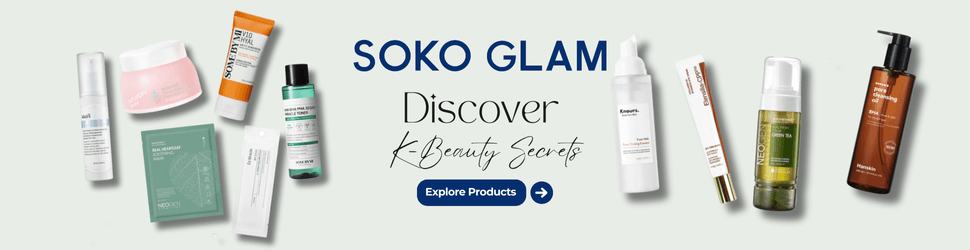
K-Beauty products are renowned for offering high quality at reasonable prices, making advanced skincare accessible to a diverse consumer base. The strategic use of online retail channels and international shipping options has played a crucial role in expanding K-Beauty’s global footprint. E-commerce platforms dedicated to K-Beauty, such as YesStyle and Soko Glam, have made it easier for consumers outside of Asia to discover and purchase these products.
Additionally, the affordability of K-Beauty allows consumers to experiment with multiple products without a significant financial commitment, encouraging the adoption of comprehensive skincare routines. This accessibility has democratized beauty, enabling individuals from various economic backgrounds to engage in advanced skincare practices.
Cultural Fascination with Korean Pop Culture
The global proliferation of Korean pop culture—encompassing K-pop, K-dramas, and Korean cinema—has significantly fueled interest in K-Beauty. Fans of K-pop groups and Korean actors often aspire to emulate the flawless skin and radiant appearances of their favorite celebrities, driving demand for Korean skincare and makeup products. This cultural fascination creates a symbiotic relationship where the popularity of Korean media boosts K-Beauty sales, and the success of K-Beauty further promotes Korean culture.
Furthermore, the portrayal of skincare as an integral part of Korean beauty standards in media reinforces the appeal of K-Beauty products. This seamless integration of culture and commerce has been pivotal in establishing K-Beauty as a formidable force in the global beauty market.
K-Beauty’s Influence on Western Brands
The impact of K-Beauty on Western cosmetic brands is profound, leading to significant shifts in product development, marketing strategies, and overall business approaches within the beauty industry.
Skincare-Centric Trends
One of the most notable influences of K-Beauty on Western brands is the shift from makeup-centric to skincare-centric beauty routines. Western consumers are increasingly prioritizing skin health and natural radiance over heavy makeup applications. This paradigm shift is evident in the rise of minimalist beauty routines and the growing popularity of products that emphasize hydration, protection, and nourishment.
Western brands have responded by expanding their skincare lines, incorporating multi-step routines inspired by K-Beauty. These routines often feature layered products that work synergistically to address various skin concerns, mirroring the comprehensive approach inherent to K-Beauty practices.
Product Innovation
K-Beauty is a hotbed of product innovation, and Western brands have keenly adopted and adapted these innovations to cater to their markets. Iconic K-Beauty products such as sheet masks, cushion compacts, and BB/CC creams have been embraced and localized by Western cosmetic companies.
- BB/CC Creams: These multi-functional creams provide coverage, sun protection, and skincare benefits, aligning with the modern consumer’s desire for efficient beauty products. Western cosmetics have expanded their BB and CC cream offerings, enhancing formulations to meet diverse skin needs.
- Sheet Masks: These single-use facial masks soaked in serums have gained immense popularity in the West, celebrated for their convenience and efficacy. Western brands have introduced their versions, often incorporating local ingredients and tailoring formulations to suit different skin types.
- Cushion Compacts: Combining foundation and sunscreen in a portable format, cushion compacts offer on-the-go coverage with a dewy finish. Western brands have integrated this format into their product lines, recognizing the demand for lightweight, multitasking makeup solutions.

Focus on Ingredients
K-Beauty has elevated the importance of specific ingredients in skincare formulations, a trend that Western brands have eagerly adopted. Ingredients such as snail mucin, hyaluronic acid, green tea, and various botanical extracts have become staples in Western skincare products.
- Snail Mucin: Celebrated for its regenerative properties, snail mucin is renowned for its ability to repair skin damage, reduce hyperpigmentation, and enhance elasticity. Western brands have incorporated snail mucin into serums, creams, and masks to capitalize on its growing popularity.
- Hyaluronic Acid: Known for its unparalleled hydration capabilities, hyaluronic acid is a key ingredient in many K-Beauty products. Western brands have integrated it into a wide array of skincare items, from moisturizers to injectables, to meet consumer demand for deeply hydrating solutions.
- Green Tea Extract: Valued for its antioxidant and anti-inflammatory properties, green tea extract is widely used in both K-Beauty and Western skincare products. It helps in soothing irritated skin, combating free radicals, and promoting a healthy complexion.
Additionally, Western brands have placed a stronger emphasis on transparency in ingredient lists, mirroring K-Beauty’s commitment to honesty and efficacy. This shift has fostered greater consumer trust and informed purchasing decisions.
Challenges Western Brands Face in Adopting K-Beauty Trends
While the integration of K-Beauty trends offers significant opportunities, Western cosmetic brands encounter several challenges in fully embracing and replicating the success of K-Beauty.
Maintaining Authenticity
One of the foremost challenges is maintaining authenticity while incorporating K-Beauty elements. Western brands must navigate the fine line between inspiration and appropriation, ensuring that their adaptations respect the cultural origins of K-Beauty. Missteps in this area can lead to accusations of cultural appropriation, which can damage brand reputation and consumer trust.
To maintain authenticity, Western brands often collaborate with Korean beauty experts, dermatologists, and influencers who have a deep understanding of K-Beauty principles. These collaborations help ensure that product formulations, marketing strategies, and overall brand messaging remain true to the essence of K-Beauty while catering to Western consumer preferences.
Replicating the K-Beauty Appeal
Replicating the unique appeal of K-Beauty involves addressing several intricate challenges:
- Regulatory Compliance: Western markets have stringent regulations regarding cosmetic ingredients and product claims. Western brands must ensure that their K-Beauty-inspired products comply with local regulations, which may differ significantly from those in South Korea.
- Quality at Affordable Prices: K-Beauty is celebrated for offering high-quality products at reasonable prices. Western brands must balance cost-efficiency with premium ingredient sourcing and advanced formulations to match this value proposition without compromising on quality.
- Packaging Design: The visually appealing and functional packaging characteristic of K-Beauty is a significant aspect of its allure. Western brands need to invest in innovative packaging solutions that are not only attractive but also enhance the user experience, such as travel-friendly formats and sustainable materials.
- Consumer Education: K-Beauty often involves complex multi-step routines that may be unfamiliar to Western consumers. Western brands must invest in educating their audience about these routines through tutorials, marketing campaigns, and in-store demonstrations to ensure effective product adoption and usage.
The Future of K-Beauty and Western Brands
The dynamic interplay between K-Beauty and Western cosmetic brands suggests a future characterized by continued collaboration, innovation, and adaptation to evolving consumer expectations.
Continued Collaboration and Hybrid Products
The synergy between K-Beauty and Western brands is likely to deepen through ongoing collaborations that result in hybrid products combining the best of both worlds. These collaborations can take various forms:
- Cultural Exchange: Increased cultural exchange can lead to a more nuanced understanding of beauty standards and preferences, fostering the development of products that cater to diverse consumer needs.
- Co-Branded Products: Joint ventures where Western and Korean brands co-create products that leverage each brand’s strengths, resulting in offerings that appeal to a global audience.
- Technology Sharing: Western brands can incorporate advanced Korean skincare technologies, such as fermentation processes and innovative delivery systems, into their formulations to enhance product efficacy.

Shifting Consumer Expectations
As consumer awareness and preferences continue to evolve, Western brands inspired by K-Beauty will need to adapt to meet new demands:
- Technological Integration: The integration of technology in beauty routines, such as augmented reality (AR) for virtual try-ons and AI-driven skincare recommendations, is becoming increasingly prevalent. Western brands can incorporate these technologies to enhance the consumer experience and streamline the adoption of K-Beauty-inspired products.
- Ethical and Sustainable Beauty: Consumers are increasingly prioritizing ethical considerations and sustainability in their purchasing decisions. Western brands are responding by adopting eco-friendly packaging, committing to cruelty-free testing practices, and sourcing sustainable ingredients, drawing inspiration from K-Beauty’s emphasis on natural and beneficial components.
- Personalization: The trend towards personalized skincare is gaining momentum, with consumers seeking products tailored to their specific skin types and concerns. Western brands can leverage K-Beauty’s comprehensive approach to develop customizable skincare solutions that offer targeted benefits.
- Inclusivity: Embracing diversity and inclusivity is paramount in the modern beauty landscape. Western brands inspired by K-Beauty are expanding their shade ranges, developing products suitable for various skin tones, and promoting inclusive marketing campaigns that resonate with a broader audience.
Conclusion: A Permanent Influence
The profound impact of K-Beauty on Western cosmetic brands is both evident and enduring. By emphasizing skincare, pioneering innovative products, and prioritizing natural and effective ingredients, K-Beauty has redefined global beauty standards and influenced the strategic directions of Western brands. This cross-cultural exchange not only enriches the beauty industry but also offers consumers a diverse array of effective and personalized beauty solutions.
As Western brands continue to adapt, innovate, and collaborate with their Korean counterparts, the influence of K-Beauty is poised to remain a pivotal force within the beauty industry. This ongoing integration promises to foster a more inclusive, innovative, and consumer-centric landscape, ensuring that the legacy of K-Beauty continues to shape the future of cosmetics worldwide.