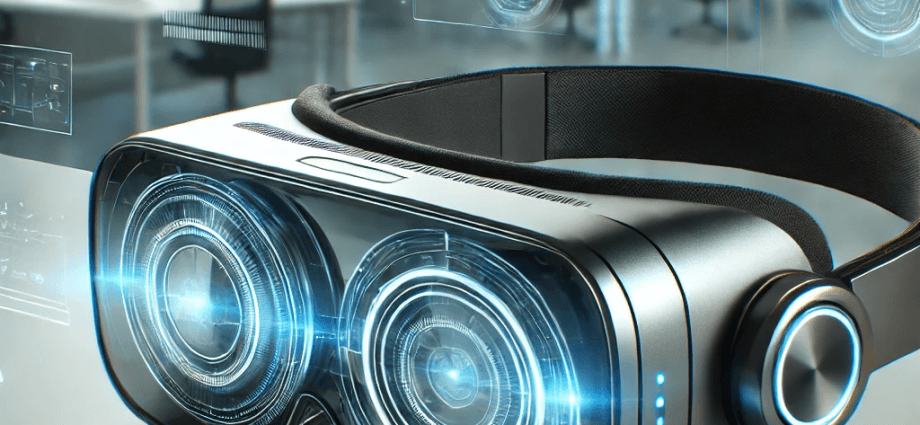
Magic Leap is a company that has generated significant attention in the world of augmented reality (AR). With its futuristic technology and ambitious goals, many have wondered whether Magic Leap lives up to its hype. Over the years, the company has made bold claims about revolutionizing how we interact with the digital world through AR. But does it? In this article, we’ll explore the key features of Magic Leap, discuss whether it’s truly worth the excitement, and consider who could benefit from using it.
Key Features of Magic Leap
Magic Leap’s devices come with a range of impressive features that aim to set them apart from other AR products on the market. While some of these features may sound technical, they play a crucial role in the overall experience.
Advanced Display Technology
One of the standout features of Magic Leap is its advanced display technology, which uses light field technology to project images directly onto the user’s eyes. This results in a more natural and immersive AR experience compared to traditional displays.
- Enhanced Visual Quality: Magic Leap 2 offers a much higher level of clarity and color accuracy compared to the first version. This results in clearer and more vibrant images that blend seamlessly with the physical environment.
- Wider Field of View: The device boasts a larger field of view, allowing users to see a broader range of digital elements integrated into the real world.
- Higher Resolution: With increased pixel density, Magic Leap 2 delivers a sharper image that enhances the overall AR experience, making digital elements feel more realistic.
Spatial Computing and Immersive Experiences
Magic Leap excels at creating an immersive experience that feels like a natural extension of the user’s environment. This is made possible by the combination of spatial computing and real-time data processing.
- 3D Mapping: Magic Leap can map out physical spaces in real-time, allowing virtual objects to be placed and interacted with in realistic ways. This feature makes AR experiences more engaging and interactive.
- Real-time Interactivity: Users can manipulate digital objects using hand gestures, providing a more intuitive experience. This feature is useful for applications in design, healthcare, and education.
- Contextual Awareness: Magic Leap devices can understand the environment and respond accordingly. For example, a virtual object can adjust its position based on obstacles in the real world, providing a more seamless interaction.
The device doesn’t just display virtual content – it actively interacts with the physical environment, making for a more immersive experience.
Is Magic Leap Worth the Hype?
Magic Leap has certainly made a significant impact in the AR space, but the real question is: Is it worth the hype? To answer this, we need to consider both the strengths and the challenges of Magic Leap.
Pros of Magic Leap
- High-Quality AR Experience: Magic Leap offers one of the most advanced AR experiences available today, with vibrant visuals and seamless integration of digital and physical elements.
- Innovative Design: The device is lightweight and comfortable, making it ideal for long sessions without physical discomfort.
- Enterprise Potential: Magic Leap 2 has found a niche in industries such as healthcare, manufacturing, and education, where its AR capabilities are being used to train employees, visualize complex data, and create interactive learning environments.
Cons of Magic Leap
- Price: The Magic Leap 2 is priced at a premium, making it less accessible for the average consumer. While it’s marketed primarily to enterprises, the high cost could deter individual buyers.
- Limited Content: Although Magic Leap has made progress, the platform still lacks a wide variety of consumer applications. The content library is not as extensive as other AR/VR platforms like the Oculus.
- Adoption Barriers: The adoption of AR technology is still in its early stages. Many users may not fully grasp the benefits of AR or be willing to invest in such a specialized device, limiting Magic Leap’s widespread success.
What People Are Saying
While Magic Leap has garnered praise for its innovative technology and high-quality visuals, some users and critics have raised concerns over its limited content and steep learning curve. Many reviewers have applauded the improvements made in Magic Leap 2, but the high price point and niche appeal make it a tough sell for average consumers.
Who Is Magic Leap For?

Magic Leap’s products are aimed at a specific audience, particularly businesses and developers who want to use AR for professional purposes.
Business and Enterprise Use
Magic Leap 2 has found its place in several industries. It is being used to create advanced training programs, virtual simulations, and 3D models in fields like healthcare, construction, and design. Some specific applications include:
- Medical Training: Surgeons can use Magic Leap to practice procedures in a virtual setting, improving their skills without the need for a physical patient.
- Manufacturing and Engineering: Engineers can visualize and manipulate 3D models of machinery to spot issues before building them in real life.
- Remote Collaboration: Teams can use Magic Leap to collaborate on projects, viewing and interacting with virtual objects in real-time.
Consumer Use
For consumers, the appeal of Magic Leap is more limited, but it could be a great fit for tech enthusiasts, gamers, and anyone curious about AR experiences. Magic Leap is a powerful tool for those looking to explore the cutting edge of AR technology, though it may not have widespread applications for the average person just yet.
Alternatives to Magic Leap
While Magic Leap is one of the most well-known AR headsets, there are a few other notable devices to consider.
Microsoft HoloLens 2
Microsoft’s HoloLens 2 is a direct competitor to Magic Leap and offers similar AR capabilities. It is known for its high-quality display, spatial awareness, and enterprise-focused applications. However, it is also priced similarly, making it a choice for businesses rather than casual users.
Other AR Glasses and Headsets
Other companies, such as Vuzix and Epson, offer AR glasses that are generally more affordable and lightweight, though they don’t quite match Magic Leap in terms of visual quality and immersive experience.
Conclusion
Magic Leap has certainly pushed the envelope in terms of AR technology, offering impressive features that blend the digital and physical worlds. However, its high price and limited content may prevent it from becoming mainstream anytime soon. For businesses looking to leverage AR for practical uses, Magic Leap could be a valuable tool. For casual consumers, though, the device may not yet be worth the investment. The Magic Leap 2 is a glimpse into the future of AR, but whether it lives up to the hype depends on your specific needs and use cases.