
Color is an essential aspect of fashion. It can completely transform your appearance and mood, making you feel more confident or energized. The right color choices can enhance your natural features, complement your personality, and make a simple outfit stand out. Whether you’re looking to freshen up your look or add a pop of excitement, incorporating color into your wardrobe is a simple yet powerful way to refresh your style. This guide will show you how to mix and match colors effortlessly and make your wardrobe as vibrant as you are.
Understand the Basics of Color Theory
Before diving into your wardrobe, it’s essential to understand the basics of color theory. By grasping how colors interact with each other, you’ll be able to create stylish outfits with ease.
The Color Wheel and Its Importance
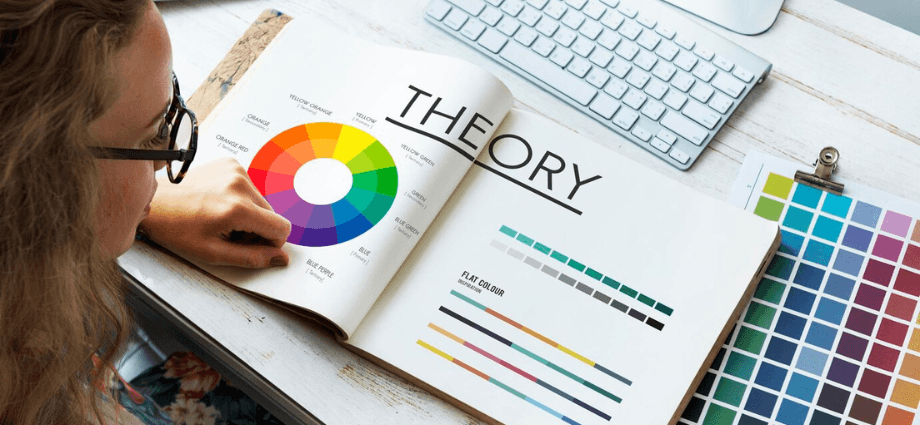
The color wheel is a helpful tool that shows the relationship between different colors. It’s divided into three main types: primary, secondary, and tertiary colors. Primary colors (red, blue, yellow) are the building blocks of all other colors. Secondary colors (green, orange, purple) are created by mixing primary colors, and tertiary colors are combinations of primary and secondary colors.
- Red, Blue, Yellow: Primary colors
- Green, Orange, Purple: Secondary colors
- These colors guide how you can combine shades for a balanced look.
Warm vs. Cool Colors
Colors are often classified as warm or cool. Warm colors, like red, orange, and yellow, create an energetic and bold look. Cool colors, such as blue, green, and purple, offer a calming and balanced feel. Understanding these differences can guide you in choosing the right colors for different occasions and moods.
Neutrals and How They Work with Color
Neutrals—black, white, gray, beige—serve as the foundation of your wardrobe. They work well with almost any color, helping to tone down bright hues and create balance in your outfit. Neutrals allow more vivid colors to pop without overwhelming the look.
- Black, White, Gray, Beige: Essential neutral colors
- Neutral colors help make bold shades stand out.
Color theory is a powerful tool to build outfits that are both stylish and cohesive. Now that you understand the basics, it’s time to start incorporating color into your wardrobe.
Start Small: Adding Color Gradually
If you’re new to color, it’s best to ease into it slowly. Starting with small touches of color can help you build confidence and learn what works best for your style.
Begin with Accessories
Accessories are a great way to start adding color to your look. A colorful scarf, a bright handbag, or a vibrant hat can bring life to a neutral outfit without overwhelming it. Accessories are easy to experiment with and give you a chance to play around with color without making a drastic change.
Colorful Shoes: A Subtle Yet Bold Choice
Shoes are another easy way to introduce color to your outfit. A pair of bold-colored shoes, like red or blue, can create a fun focal point without being too over-the-top. You can pair them with neutral or simple outfits to keep the overall look balanced and chic.
Try Statement Jewelry
Adding colorful jewelry, such as a bright necklace, bracelet, or earrings, can elevate your outfit. Jewelry doesn’t overwhelm your look, but it adds personality and charm.
- Colorful necklaces or earrings to brighten a simple outfit
- Bold, oversized rings for a modern touch
- Layered bracelets in different colors for a fun twist
By starting small, you can slowly experiment with colors without feeling overwhelmed. Once you’re comfortable, you can begin experimenting with more colors in your outfits.
Mix and Match Colors Like a Pro

Once you’ve incorporated small amounts of color into your wardrobe, it’s time to experiment with pairing different colors together. Mixing and matching colors is an art, and with a few simple tips, anyone can do it like a pro.
Pairing Complementary Colors
Complementary colors are those that sit opposite each other on the color wheel, like red and green or blue and orange. When paired together, complementary colors create a vibrant, dynamic look.
- Red and green for a festive, bold look
- Blue and orange for a striking contrast
- Purple and yellow for a fun, playful outfit
When using complementary colors, balance them carefully to avoid overwhelming your outfit. One color can be the focal point, while the other serves as an accent.
Using Analogous Colors for a Harmonious Look
Analogous colors are next to each other on the color wheel, such as blue, green, and teal. These colors naturally blend well together and create a cohesive, harmonious look. This color scheme is great if you’re looking for a more relaxed and subtle style that still uses multiple colors.
Balancing Brights with Neutrals
Pairing bright, bold colors with neutral tones like black, white, or gray is an effective way to balance your outfit. Bright colors stand out, but the neutrals help tone them down so that the overall look isn’t too overwhelming. For example, a bright yellow top can look great with a black skirt or pants, allowing the color to pop without taking over.
Mixing and matching colors opens up countless styling possibilities. These simple techniques allow you to play with bold shades and create looks that suit your personal style.
Understanding Your Personal Color Palette
Your personal color palette is based on factors like your skin tone and the colors that complement your natural features. Understanding what works for you is key to building a wardrobe that feels both comfortable and stylish.
Determine Your Skin Tone
Knowing your skin tone helps in choosing the colors that suit you best. If you have a warm skin tone, earthy colors like red, orange, and yellow will complement your complexion. Cool skin tones generally look good in shades like blue, green, and purple. Once you determine your skin tone, you’ll have a better idea of which colors to incorporate into your wardrobe.
Creating a Color Palette That Works for You
Once you understand your skin tone, start curating a color palette for your wardrobe. This will help you focus on colors that complement your features and create a cohesive wardrobe.
- Build a wardrobe with 5-10 colors you love
- Mix and match shades that suit your skin tone
- Stick to your palette for a more organized and versatile wardrobe
A personal color palette makes shopping easier and ensures you only purchase colors that work well together.
Seasonal Considerations for Color Choices
The time of year influences the colors in your wardrobe. Different seasons offer unique color trends and styles that suit the environment and your mood.
Spring and Summer: Lighter, Brighter Hues
During the warmer months, light and bright colors like pastels and vibrant hues dominate. These colors reflect the energy and joy of the season, making them perfect for your wardrobe.
- Light blues, pinks, and yellows for a fresh, sunny look
- Coral and turquoise for a tropical, beachy vibe
- White and cream for a classic, cool summer style
Lighter tones are refreshing and pair well with the laid-back mood of spring and summer.
Fall and Winter: Deeper, Richer Shades
During the cooler months, go for deeper tones like burgundy, olive green, mustard, and dark brown. These shades align with the cozy, warm feelings of fall and winter. Rich colors like deep plum and forest green also complement the darker, colder weather and bring a sense of sophistication to your wardrobe.
Seasonal colors offer a chance to adjust your wardrobe to match the mood of the environment, ensuring that you’re always in style.
Conclusion
Color is a fantastic tool for expressing your style and personality. By understanding the basics of color theory, starting small, and experimenting with different combinations, you can easily incorporate more color into your wardrobe. Whether you prefer bold contrasts or subtle harmonies, there’s a perfect way to wear color that suits your individual style. So, go ahead—add some color to your wardrobe and watch your outfits come to life.