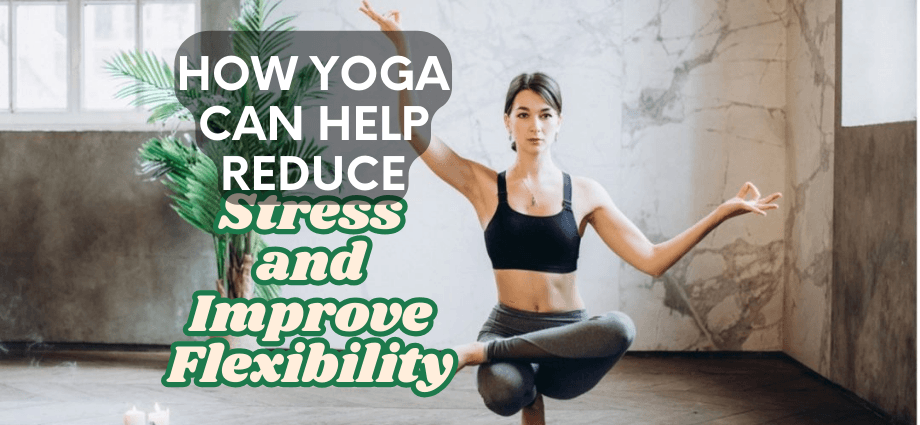
Yoga is a time-tested practice known for its ability to improve both mental and physical well-being. Whether you are looking to reduce stress, improve flexibility, or strengthen your body, yoga offers numerous benefits that can positively impact your overall health. By focusing on mindful breathing, movement, and relaxation, yoga helps create a balance between body and mind. This article explores how yoga can help reduce stress and enhance flexibility, making it an excellent practice for anyone seeking better health.
The Connection Between Yoga, Stress, and Flexibility

How Yoga Reduces Stress
Yoga is known for its ability to help reduce stress through relaxation and mindfulness. By focusing on deep, controlled breathing, yoga activates the parasympathetic nervous system, which helps bring the body into a state of calm. The physical movements and poses help release tension stored in the body, while mindfulness practices encourage mental relaxation. This combination of physical and mental focus leads to a reduction in overall stress and anxiety levels.
- Breathing exercises: Focus on deep, steady breaths to activate the body’s relaxation response.
- Mindfulness: Practicing mindfulness during yoga helps clear the mind of stress and distractions.
- Tension release: Physical movement helps alleviate built-up tension in muscles and joints.
Through consistent practice, yoga can be an effective tool for managing stress and calming both the body and mind.
Improving Flexibility Through Yoga
Yoga is widely known for improving flexibility. Many yoga poses, such as Downward Dog and Forward Fold, stretch and lengthen muscles, increasing joint mobility and overall flexibility. Regular practice allows the body to gradually improve its range of motion, which can also reduce stiffness and discomfort. As flexibility increases, the body feels more open, relaxed, and capable of handling physical activity with ease.
- Stretching: Many yoga poses focus on lengthening muscles and improving flexibility.
- Joint mobility: Yoga increases the flexibility of joints, making everyday movements easier.
- Reduced stiffness: Stretching regularly can help alleviate tightness and muscle stiffness.
Improving flexibility not only helps with physical comfort but also enhances overall health, allowing you to move freely and confidently.
Physical Benefits of Yoga
Better Posture and Muscle Strength
Yoga improves posture and builds muscle strength by targeting key areas like the core, back, and legs. Poses such as Plank and Warrior strengthen these muscles, helping to correct postural imbalances and reduce discomfort. Regular yoga practice supports better alignment, stability, and body awareness, making it easier to maintain proper posture and move with ease throughout the day.
Pain Relief
Yoga can help alleviate common pains, such as back and joint discomfort, by promoting gentle stretching and muscle relaxation. Poses like Child’s Pose and Cat-Cow help release tension and improve flexibility, offering natural relief from stiffness and discomfort. Regular practice can reduce muscle tightness and improve mobility, helping to manage and prevent pain over time.
Improved Balance and Coordination
Yoga enhances balance and coordination by strengthening key muscles and improving body awareness. Poses like Tree Pose and Warrior III focus on stability, helping to improve overall coordination. Regular practice increases body control, reduces the risk of falls, and supports better movement throughout daily activities.
Mental Benefits of Yoga
Reduction in Anxiety and Depression
Yoga has been shown to significantly reduce symptoms of anxiety and depression by promoting relaxation and mindfulness. The focus on deep, controlled breathing helps activate the parasympathetic nervous system, which reduces stress hormones like cortisol. Additionally, the mindful movement in yoga encourages individuals to stay present, which helps break the cycle of negative thoughts that often fuel anxiety and depression. Regular practice can help release trapped emotions, calm the mind, and foster a sense of emotional balance, making yoga an effective tool for managing mental health.
Mind-Body Connection
Yoga fosters a strong mind-body connection by encouraging awareness of both physical and mental states. Through mindful movement and breathing, yoga helps you tune into your body’s sensations, creating a deeper understanding of how your body feels and reacts. This heightened self-awareness promotes emotional balance, as it helps you recognize stress or tension before it becomes overwhelming. By practicing yoga regularly, you cultivate a greater connection between your mind and body, leading to improved mental clarity, emotional well-being, and a more centered approach to life.
Better Sleep
Yoga can significantly improve sleep quality by promoting relaxation and reducing stress before bedtime. By incorporating calming poses like Legs Up the Wall or Savasana, yoga helps activate the parasympathetic nervous system, which encourages the body to unwind and prepare for rest. The mindfulness and deep breathing practiced in yoga also ease mental tension, making it easier to fall asleep and experience deeper, more restorative sleep. Regular yoga practice can help regulate sleep patterns, leading to more consistent and restful nights, and ultimately improving overall health and mood.
Incorporating Yoga into Your Routine
Start with Simple Poses
If you’re new to yoga, begin with basic poses like Child’s Pose, Downward Dog, and Cat-Cow to build flexibility and strength. These poses are gentle and accessible, making them ideal for beginners. As you become more comfortable, you can gradually increase the intensity of your practice.
- Child’s Pose: A great starting point for stretching and relaxation.
- Downward Dog: A full-body stretch that improves flexibility and strength.
- Cat-Cow: Helps warm up the spine and release tension.
Start slow and gradually build your practice to enjoy the benefits of yoga without feeling overwhelmed.
Practice Consistently
To see the benefits of yoga, practice regularly. Aim for at least two to three sessions per week to start. As you become more comfortable, you can practice daily to deepen your flexibility, reduce stress, and improve overall health.
- Regular practice: Consistency is key to seeing improvements in flexibility and stress reduction.
- Gradual progress: Yoga is a gradual process, so allow yourself time to develop skills.
- Short sessions: Start with shorter sessions if you’re pressed for time, and gradually increase duration.
Consistency in your yoga practice helps build long-term benefits for both your mind and body.
Conclusion
Yoga offers a variety of physical and mental benefits, including stress reduction, improved flexibility, pain relief, and better mental clarity. Incorporating yoga into your routine, even for just a few minutes each day, can have a significant impact on your overall well-being. Whether you’re looking to relax, improve your flexibility, or find a way to unwind, yoga provides the tools for better health and balance in life.