
In today’s world, indoor air quality is a growing concern. Many people are unaware of the pollutants in their home environments, such as dust, chemicals, and carbon dioxide. Fortunately, indoor plants can play a key role in improving air quality, offering a natural and aesthetically pleasing way to enhance your living space. By absorbing harmful toxins and providing fresh oxygen, plants not only beautify your home but also contribute to a healthier atmosphere. This article will explore how indoor plants can improve the air you breathe and offer practical advice on choosing and caring for the best air-purifying plants.
The Role of Plants in Air Purification
Indoor plants can significantly enhance air quality in your home by acting as natural air purifiers. They absorb carbon dioxide and release oxygen through photosynthesis, helping to balance the air. Additionally, many plants are capable of removing harmful chemicals from the air, making your living environment healthier.

Absorbing Carbon Dioxide
Plants naturally absorb carbon dioxide, a common air pollutant found indoors. During the process of photosynthesis, plants take in carbon dioxide and convert it into oxygen, which is vital for human life. By increasing oxygen levels in your home, plants can help improve overall air quality and provide a fresher atmosphere.
- Indoor plants, such as snake plants and peace lilies, are particularly good at absorbing carbon dioxide.
- Even a few plants in your home can contribute to noticeable improvements in air quality.
Removing Harmful Chemicals
Indoor air is often filled with volatile organic compounds (VOCs) from everyday household products, such as paints, cleaners, and furniture. VOCs can cause headaches, dizziness, and respiratory problems. Fortunately, certain indoor plants are known to filter out these harmful chemicals.
- Spider plants and peace lilies are excellent at removing VOCs like formaldehyde and benzene from the air.
- Aloe vera and snake plants are also effective at absorbing harmful substances like xylene and toluene.
By strategically placing these plants in different rooms, you can reduce the levels of harmful chemicals and improve the air quality in your home.
Benefits of Improved Air Quality in the Home
Better air quality in your home doesn’t only contribute to a cleaner environment—it also leads to several physical and mental health benefits. From respiratory health to mood improvement, the positive effects of cleaner air are numerous.
Health Benefits
Exposure to pollutants can lead to a variety of health problems, including asthma, allergies, and other respiratory issues. Indoor plants help combat these problems by filtering out toxins, providing cleaner air to breathe.
- Plants like peace lilies and bamboo palms can reduce indoor pollutants, which may alleviate symptoms of asthma and allergies.
- Cleaner air helps to reduce the risk of headaches and fatigue, improving overall well-being.
Moreover, plants improve sleep quality by filtering out chemicals that interfere with rest, creating a calming and healthier atmosphere at night.
Productivity and Mental Health
Not only does better air quality boost your physical health, but it also has a direct impact on mental well-being. Research suggests that indoor plants can help improve mood, reduce stress, and even increase productivity.
- Studies show that people who work in environments with indoor plants are often more productive and feel less stressed.
- The presence of plants has been shown to increase attention span and focus, making them ideal for home offices or study areas.
Having plants around can create a soothing and calming environment that enhances mental clarity and helps reduce anxiety.
Best Indoor Plants for Air Quality

Not all indoor plants are equally effective at purifying air. Below are some of the best plants you can choose to improve the air quality in your home.
Common Air-Purifying Plants
Several indoor plants are particularly effective at cleaning the air. These plants are not only easy to care for but are also known for their ability to filter harmful chemicals and provide fresh oxygen.
- Spider plant (Chlorophytum comosum): Known for its ability to remove formaldehyde, xylene, and toluene from the air.
- Snake plant (Sansevieria trifasciata): A hardy plant that absorbs carbon dioxide and releases oxygen even at night.
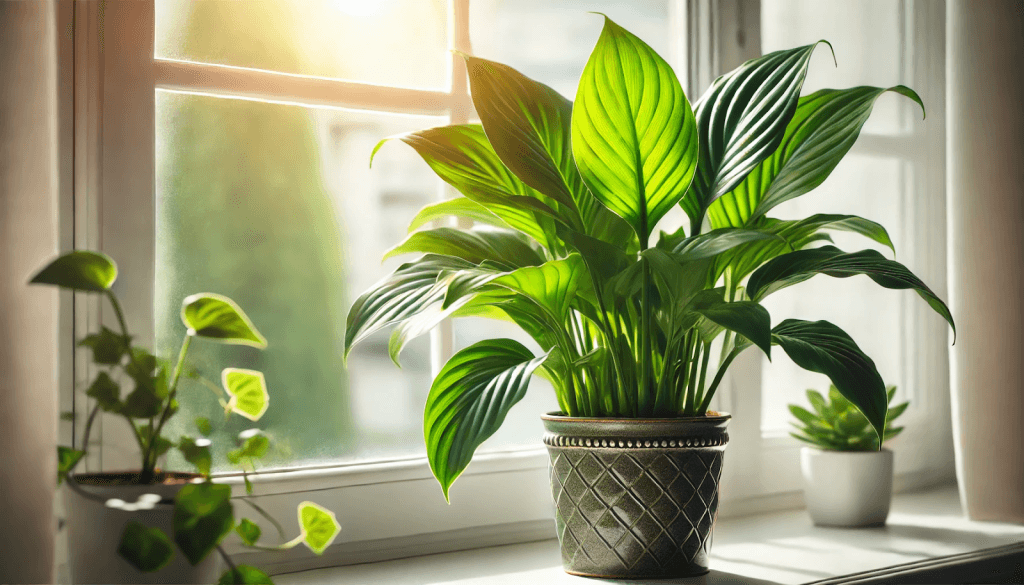
- Peace lily (Spathiphyllum): Excellent at removing VOCs like ammonia, benzene, and formaldehyde.
These plants are great choices for improving the air quality in your home, as they thrive indoors and are low-maintenance.
Low-Maintenance Options
If you’re a beginner or have a busy lifestyle, low-maintenance plants are an excellent choice. These plants require minimal care but still provide significant benefits to indoor air quality.
- Aloe vera: Not only good for air purification but also for its healing properties, especially for burns.
- ZZ plant (Zamioculcas zamiifolia): Known for being nearly indestructible, the ZZ plant can thrive with little water and minimal sunlight.
- Pothos: A fast-growing plant that helps filter out formaldehyde and benzene.
These plants are perfect for people who want the benefits of indoor plants but may not have the time or expertise to tend to high-maintenance varieties.
How to Maximize the Air-Purifying Benefits of Plants
Simply having plants in your home isn’t enough to get the maximum air-purifying benefits. To make sure your plants are working effectively, it’s important to place them correctly and take care of them properly.
Proper Placement of Plants
Where you place your plants in your home can affect their ability to improve air quality. To maximize their impact, consider the following tips:
- Place plants near windows where they can get adequate sunlight for photosynthesis.
- Keep plants in high-traffic areas, such as the living room or office, to improve the air where you spend the most time.
- For larger spaces, place multiple plants in different rooms to ensure that the entire home benefits from cleaner air.
Strategically positioning your plants can significantly enhance their ability to purify the air.
Caring for Your Indoor Plants
Caring for your plants is essential to maintaining their ability to purify the air. Proper watering, sunlight, and cleaning are key to keeping them healthy.
- Water plants regularly, but make sure not to overwater, as this can lead to root rot.
- Clean the leaves of your plants periodically to remove dust, which can hinder their air-purifying ability.
- Ensure that your plants are placed in the right amount of sunlight. Some plants, like the peace lily, thrive in low light, while others, like the snake plant, need more direct sunlight.
Caring for your plants will ensure they continue to thrive and filter the air effectively.
Conclusion
Indoor plants provide a simple yet effective way to improve the air quality in your home. From absorbing carbon dioxide to removing harmful chemicals like VOCs, these plants can help reduce the risks of respiratory issues and improve overall health. By choosing the right plants and caring for them properly, you can enjoy a cleaner, healthier living environment. So, whether you’re looking to enhance your home’s aesthetic or create a more breathable space, adding indoor plants is a step in the right direction.