
Art exhibits have evolved significantly in recent years. Traditional static displays of paintings and sculptures are now being transformed into interactive experiences. This shift is driven by advancements in technology and changing visitor expectations. Today’s audiences seek more immersive and engaging ways to connect with art. Interactive exhibits encourage visitors to become active participants rather than passive observers. Let’s explore how art exhibits are becoming more interactive and the impact this has on the art world.
The Rise of Interactive Art Exhibits
Changing Visitor Expectations
With the rise of technology, visitors now expect more from art galleries and museums. Younger generations, in particular, are used to dynamic, interactive content in their daily lives, from social media to video games. This has led to a demand for more engaging experiences in art spaces. Today’s visitors want to feel involved in the artwork, rather than just viewing it passively.
Museums and galleries are responding by creating hands-on exhibits that allow people to experience art in different ways. These interactive features are making art more accessible and engaging for a wider audience.
The Impact of Technology
Technology plays a crucial role in transforming traditional art exhibits into interactive ones. Digital tools like touchscreens, virtual reality (VR), and augmented reality (AR) are helping make art more accessible and engaging. Visitors can now participate in art experiences, such as exploring virtual worlds or interacting with digital displays.
The introduction of interactivity has expanded what art can be, allowing artists to create multi-sensory experiences that engage visitors in new ways. These advances are making art exhibits more diverse, accessible, and inclusive.
Types of Interactive Features in Art Exhibits
Virtual Reality (VR) and Augmented Reality (AR)
Virtual and augmented reality are two of the most exciting technologies enhancing art exhibits. VR allows visitors to immerse themselves in an artwork, enabling them to experience it from different perspectives. Visitors can explore a painting or sculpture in ways that weren’t possible before.
AR, on the other hand, adds digital elements to the real world. Visitors can use their smartphones or AR glasses to see additional content overlaid on the artwork, such as animations or detailed explanations. This enhances the visitor’s understanding and engagement with the piece.
- VR and AR make art more immersive.
- These technologies add layers of information, enhancing the art experience.
- They allow for personalized experiences, where visitors can choose what they want to explore.
Touchscreens and Digital Installations
Touchscreens and digital installations are increasingly common in interactive exhibits. Large digital displays allow visitors to engage with art in different ways, such as zooming in on details or learning more about the artist. Some installations even enable visitors to manipulate the artwork, changing its appearance or shape.
- Touchscreens provide high-resolution images and interactive information.
- Digital installations allow visitors to engage creatively with the art.
- They make the art experience more engaging and personalized.
Interactive Sculptures and Installations
Some art exhibits feature interactive sculptures and installations that invite visitors to touch or move elements of the artwork. These pieces may change in response to the visitor’s actions, offering a more personal and tactile experience.
Such works encourage visitors to engage physically with the art, creating a deeper connection. By moving or altering elements of the artwork, visitors become co-creators, making the experience more memorable.
- Interactive sculptures allow physical participation.
- Visitors can alter or rearrange parts of the artwork.
- These exhibits create a sensory and hands-on experience.
The Benefits of Interactive Art Exhibits
Increased Visitor Engagement
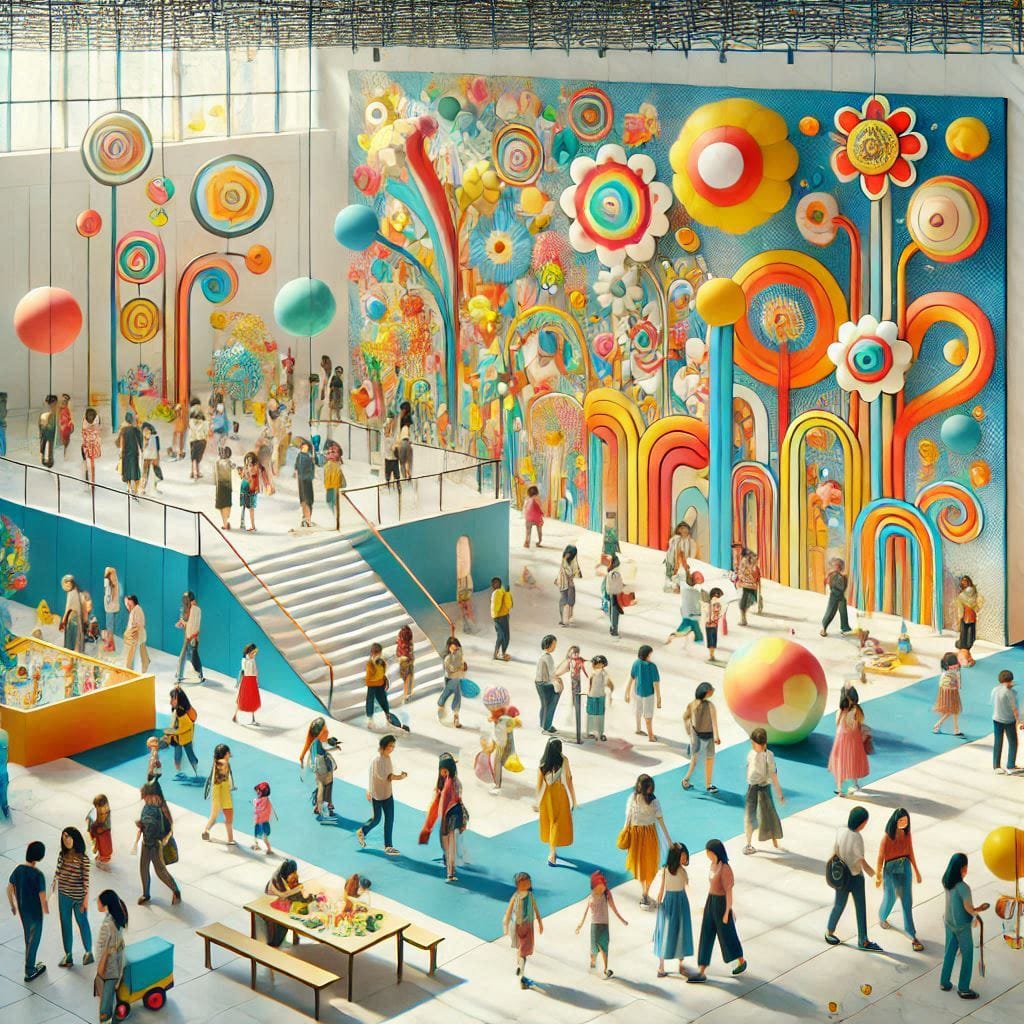
Interactive exhibits create a more engaging experience for visitors. Instead of simply observing art, visitors actively participate, which fosters a personal connection with the artwork. This deeper involvement leads to a more meaningful and memorable visit.
- Interactive features encourage visitors to spend more time with the art.
- They make the visit more engaging and enjoyable.
- These experiences often lead to greater social media sharing and word-of-mouth promotion.
Making Art More Accessible
Interactive exhibits help make art accessible to a wider range of people, including those who may not have a background in art. Digital tools can provide additional context, breaking down complex ideas and making the artwork more understandable.
Interactive elements also cater to visitors with disabilities. For example, touchscreens can be designed with accessibility features for people with visual impairments, and AR can provide audio descriptions for visitors who are blind or have low vision.
- Interactive exhibits cater to a broader audience, including those with disabilities.
- They make art more approachable for people of all ages and backgrounds.
- These features promote inclusion and accessibility.
Education and Learning Opportunities
Interactive exhibits also offer valuable educational experiences. Visitors can learn about the art, the artist, and the cultural context through multimedia elements like videos, quizzes, and games. These interactive tools make learning fun and engaging, allowing visitors to explore art in a deeper, more dynamic way.
- Interactive exhibits provide educational content through videos or games.
- They offer new ways to learn about art, making the experience enjoyable.
- These tools enhance the visitor’s understanding of the artwork.
Challenges of Interactive Art Exhibits
High Costs of Implementation
While interactive exhibits offer many benefits, they can be expensive to implement. The cost of technology, installation, and maintenance can be a significant barrier for some museums and galleries, especially smaller institutions.
In addition, keeping the technology up-to-date and functional requires ongoing investment, which can strain budgets.
Balancing Technology and Traditional Art
Another challenge is balancing technology with the integrity of traditional art forms. While interactive elements enhance the visitor experience, there is a risk that technology might overshadow the artwork itself. Museums must carefully integrate new technologies to ensure that the art remains the focal point of the experience.
- The cost of creating interactive exhibits can be a barrier.
- Museums must balance the use of technology with maintaining the essence of traditional art.
- Technology should enhance, not overshadow, the artwork.
The Future of Interactive Art Exhibits
Further Integration of Technology
Interactive art exhibits will continue to evolve with advancements in virtual and augmented reality, offering more immersive and personalized experiences. AI-generated art and holographic displays may also emerge, changing how visitors engage with exhibits and enhancing the overall experience.
Greater Accessibility and Inclusivity
Future exhibits will focus on accessibility and inclusivity, ensuring art is accessible to a broader audience, including people with disabilities and diverse backgrounds. Museums will prioritize creating welcoming experiences for all visitors through the use of technology.
Conclusion
Interactive art exhibits are reshaping the way we experience and appreciate art. With the help of technology, art has become more engaging, accessible, and educational. While there are challenges to implementing interactive features, the benefits are clear—interactive exhibits provide a deeper connection with art and make it more approachable for a wider audience. As technology continues to evolve, we can expect art exhibits to become even more immersive and inclusive, ensuring that art remains a vibrant and dynamic part of our culture.