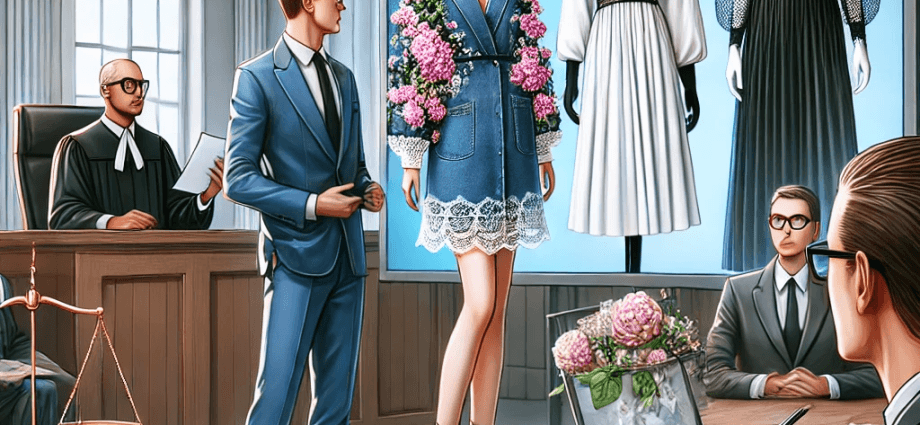

The fashion industry thrives on creativity, where brands aim to design unique styles to stand out. However, the line between inspiration and imitation is sometimes blurred, leading to lawsuits. These legal battles are essential for protecting a brand’s identity, intellectual property, and financial success. While some cases end amicably, others reshape how designers approach creativity.
This article explores notable fashion lawsuits, the laws that protect designs, and how brands can avoid crossing the line.
Most Famous Fashion Lawsuits
Fashion lawsuits often make headlines because they involve recognizable brands and designs. These cases highlight the consequences of copying or mimicking unique elements. Below are some famous examples where brands clashed in court.
Gucci vs. Forever 21
Gucci, a luxury brand known for its red and green stripe design, filed a lawsuit against Forever 21. Gucci claimed that Forever 21 used similar stripe patterns on clothing items, infringing on its trademark. Forever 21 argued that stripes were a common design. However, Gucci’s long-standing association with the stripes strengthened its case. Eventually, Forever 21 settled and removed the disputed designs from their collection.
Christian Louboutin vs. Yves Saint Laurent
Louboutin’s red sole shoes are a symbol of luxury and exclusivity. When Yves Saint Laurent used red soles on their designs, Louboutin claimed it violated their trademark. The court agreed, ruling that the red sole had become a unique feature of Louboutin’s brand. This case set a precedent for protecting color as part of a trademark, reinforcing the importance of brand identity.
Adidas vs. Skechers
Adidas is known for its three-stripe design, which has been part of its identity for decades. The brand sued Skechers, claiming the latter’s shoes featured similar stripe patterns that could confuse customers. The court sided with Adidas, emphasizing that unique design elements are valuable assets that require protection.
Why Do Fashion Brands File Lawsuits?
Fashion brands file lawsuits for several reasons. Beyond protecting their designs, legal action helps brands safeguard their reputation and financial investments. Here are the main reasons fashion lawsuits occur.
Protecting Intellectual Property
Designers invest considerable time and resources into creating original styles. Intellectual property laws, such as copyrights and trademarks, ensure that these creations remain exclusive to their rightful owners. Lawsuits prevent others from unfairly profiting off their ideas.
Financial and Brand Reputation Impact
Copied designs can hurt a brand’s revenue. When consumers see a similar design at a lower price, they may opt for the cheaper alternative. This not only causes financial losses but can also damage the exclusivity and prestige of the original brand.
Maintaining Market Exclusivity
For luxury brands, exclusivity is key to maintaining their market position. Lawsuits help these brands ensure their unique features, such as colors or patterns, remain solely associated with their identity.
Key Laws That Protect Fashion Brands
Several laws exist to help fashion brands protect their work. These legal frameworks ensure designers’ efforts are rewarded while discouraging imitation. Below are the main laws used in fashion lawsuits.
Copyright Laws
Copyright protects original creative works such as patterns, prints, and illustrations. For example, a fabric print or a unique design sketch can be copyrighted to prevent unauthorized use. However, functional aspects of clothing, such as basic cuts, may not qualify for copyright protection.
Trademark Laws
Trademarks protect logos, symbols, and distinctive design elements that represent a brand. Examples include the red soles of Louboutin shoes or the three stripes of Adidas. Trademarks prevent others from using similar features that could confuse customers.
Design Patents
Design patents protect the ornamental aspects of a product, such as unique stitching, shoe shapes, or bag designs. Unlike trademarks, patents are time-limited and must be renewed to maintain their validity.
How Fashion Lawsuits Impact the Industry
Fashion lawsuits influence the industry in significant ways. They affect not only large corporations but also independent designers and smaller brands. Here’s how these legal battles shape the fashion world.
Impact on Small Designers
While major brands have the resources to pursue lawsuits, small designers often lack the financial means to defend their work. This imbalance can make it difficult for smaller brands to challenge copycats or protect their designs.
Encouraging Creativity and Innovation
Lawsuits push designers to create original work. When brands know they risk legal action for copying, they focus on developing unique ideas and innovative designs. This benefits the industry as a whole by promoting originality.
Ethical and Moral Considerations
Fashion lawsuits also highlight the importance of ethical practices. Brands that respect others’ intellectual property build trust and credibility with their customers, ensuring long-term success.
Avoiding Fashion Lawsuits: Tips for Brands
Fashion brands can avoid legal disputes by taking proactive measures to ensure their designs remain original and compliant with laws. Here are practical tips for designers and companies to stay safe:
Conduct Thorough Research
- Research existing trademarks, copyrights, and patents to avoid similarities.
- Analyze competitor designs to identify potential conflicts before launching a new product.
Obtain Proper Permissions
- If you’re inspired by artwork, logos, or other designs, seek permission from the original creator.
- Consider partnerships or collaborations to legally use someone else’s work.
Consult Legal Experts
- Work with attorneys who specialize in fashion law to review designs and product launches.
- Understand intellectual property laws to avoid unintentional violations.
Taking these precautions can help brands protect themselves while promoting fair practices within the industry.
Conclusion: The Fine Line Between Inspiration and Imitation
Fashion lawsuits remind us of the importance of respecting creativity. While inspiration drives the industry, crossing the line into imitation can lead to legal and financial consequences. By following intellectual property laws and prioritizing originality, designers and brands can thrive ethically. Protecting creativity benefits everyone, ensuring that innovation continues to shape the fashion world for years to come.