
Sustainability has become one of the most pressing issues in the fashion industry today. As consumers become more aware of the environmental impact of fast fashion, many brands are stepping up to offer more sustainable solutions. One such solution is zero-waste clothing, a practice that eliminates waste in every stage of the design and production process. This article explores the concept of zero-waste fashion and highlights the fashion brands leading the charge toward a more sustainable future.
What is Zero-Waste Fashion?
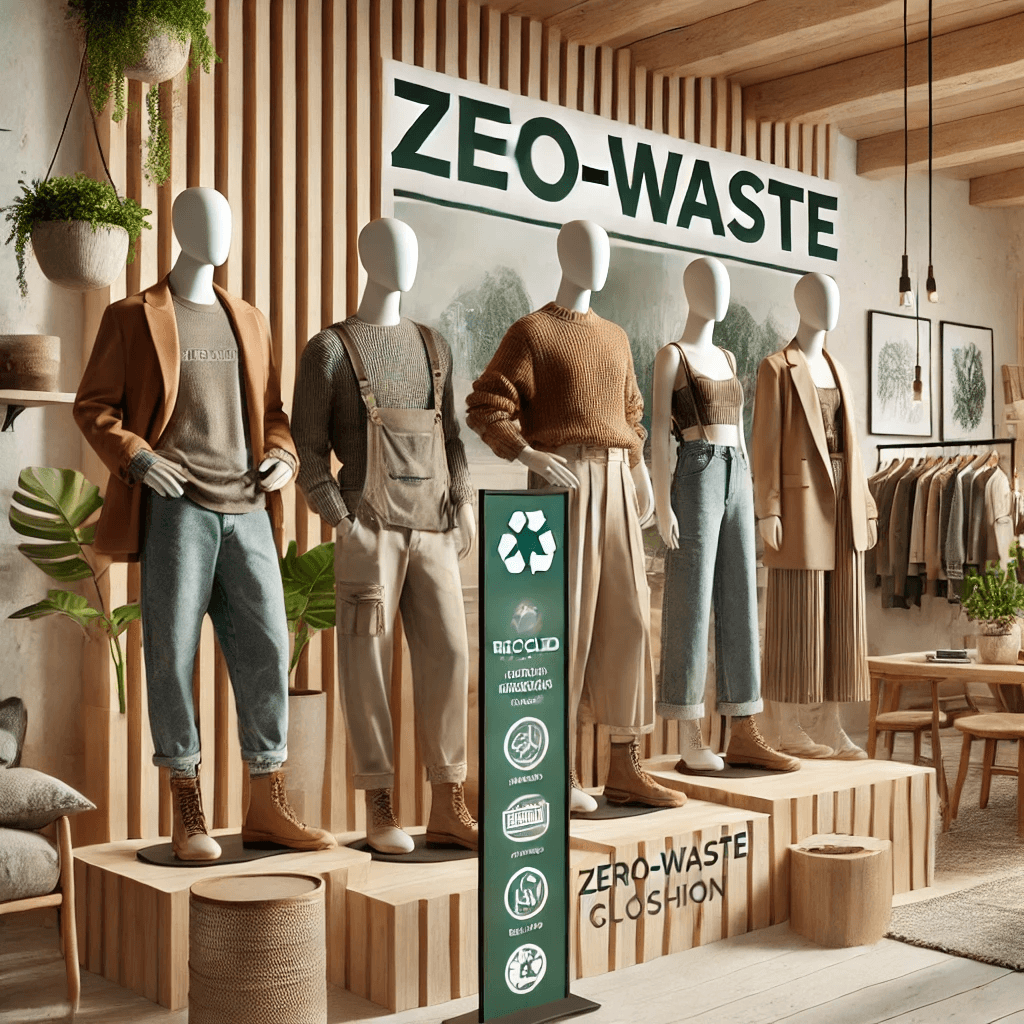
Definition and Principles of Zero-Waste Fashion
Zero-waste fashion is a design philosophy that aims to eliminate waste in every stage of the garment production process. It involves creating clothing that uses every scrap of fabric, often through innovative pattern-making techniques that maximize fabric usage and reduce offcuts. The core principles of zero-waste fashion include designing with sustainability in mind, minimizing the environmental impact of production, and ensuring that every piece of clothing is made to last. By rethinking how garments are produced, zero-waste fashion strives to reduce textile waste, promote ethical manufacturing, and encourage more conscious consumption in the fashion industry.
The Importance of Zero-Waste Fashion
Zero-waste fashion is vital for reducing the fashion industry’s environmental impact, which contributes significantly to waste and pollution. By minimizing fabric waste and resource consumption, it helps lower landfill overflow, water use, and carbon emissions. Additionally, it encourages more mindful consumption by promoting longer-lasting, well-made garments over fast fashion. This sustainable approach is key to creating a more responsible and eco-friendly fashion industry.
Leading Fashion Brands Embracing Zero-Waste Practices
Stella McCartney
Stella McCartney is a pioneer in sustainable fashion, known for its commitment to environmental responsibility. The brand has long been a leader in using zero-waste techniques in its collections, focusing on creating garments that don’t contribute to landfill waste. They use sustainable materials like organic cotton and recycled fabrics, and their design process aims to minimize waste at every step.
- Sustainable Materials: Organic cotton, recycled polyester, and non-toxic dyes.
- Ethical Manufacturing: Prioritizes fair labor practices and energy-efficient production methods.
- Circular Design: Promotes the reuse and recycling of clothing, keeping garments in circulation longer.
Patagonia
Patagonia is another brand that leads by example, incorporating zero-waste principles in its clothing and operations. The brand focuses on reducing textile waste by using recycled fabrics and producing durable, long-lasting garments that encourage customers to buy less. Patagonia also offers a repair and reuse program, helping customers extend the life of their clothes.
- Recycled Fabrics: Uses recycled polyester, nylon, and wool in its collections.
- Worn Wear Program: Encourages customers to buy used, repair, or trade-in their gear.
- Environmental Advocacy: Actively supports environmental causes and sustainable practices.
Reformation
Reformation is a contemporary fashion brand that has made sustainability a core part of its identity. Known for its trendy yet eco-conscious designs, Reformation has integrated zero-waste fashion into its production processes. The brand uses recycled fabrics, deadstock materials, and even repurposed garments to create new pieces, reducing waste significantly.
- Use of Deadstock Fabric: Repurposing unused fabrics to create new garments.
- Sustainable Manufacturing: Minimizing waste by using cutting-edge techniques and eco-friendly materials.
- Transparency: Provides customers with detailed information about the environmental impact of each garment.
How These Brands Achieve Zero-Waste Fashion
Sustainable Materials and Fabric Use
One of the key strategies in achieving zero-waste fashion is the use of sustainable materials. Many leading brands focus on fabrics that are recyclable, biodegradable, or made from recycled materials. These fabrics are chosen not only for their environmental benefits but also for their durability, ensuring that the garments last longer and don’t contribute to landfill waste.
- Recycled Polyester: Reduces the need for virgin plastic and keeps polyester out of landfills.
- Organic Cotton: Grown without pesticides, using less water and harmful chemicals.
- Biodegradable Fabrics: Materials that break down naturally, leaving no harmful residue.
Innovative Design Techniques
Brands leading in zero-waste fashion use creative design techniques that reduce fabric waste. These techniques include pattern-making methods that maximize the fabric used and minimize offcuts. Some brands also create modular or reversible designs that allow garments to be worn in multiple ways, further reducing the need for new clothes.
- Zero-Waste Pattern Making: Designing patterns that fit perfectly and use every inch of fabric.
- Modular Clothing: Creating garments that can be styled in multiple ways to reduce the need for separate pieces.
- Upcycled Garments: Repurposing old fabrics or unsold items into new, fashionable
Recycling and Upcycling Initiatives
Another important strategy in zero-waste fashion is the recycling and upcycling of garments. Some brands have programs where customers can return old clothes to be recycled or repurposed into new items. These initiatives help create a circular economy, where clothing is continually reused instead of being discarded.
- Clothing Take-Back Programs: Allowing customers to return old garments for recycling.
- Upcycling Old Fabrics: Repurposing old materials to create new, stylish pieces.
- Circular Fashion Model: A system where products are designed for longevity and eventual recycling.
The Future of Zero-Waste Fashion
Growing Trend Toward Sustainability
The demand for sustainable fashion has been steadily growing as consumers become more aware of the environmental and social impacts of their purchasing decisions. Many shoppers are now prioritizing brands that adopt ethical practices, use eco-friendly materials, and reduce waste in production. This shift is influencing the fashion industry, with more designers and companies embracing sustainable models, such as zero-waste fashion, to meet the needs of a more environmentally conscious audience. As sustainability becomes a key factor in consumer choice, the fashion industry is slowly transitioning toward greener practices, signaling a long-term change in how clothing is made and consumed.
Technological Innovations and Challenges
Technological innovations are playing a crucial role in advancing zero-waste fashion, with tools like artificial intelligence (AI) and 3D printing helping to optimize garment production and reduce waste. AI can aid in designing more efficient patterns, while 3D printing allows for the creation of garments with minimal material use. However, there are still challenges to overcome, such as the higher costs of sustainable materials and the need for widespread adoption of these technologies. While advancements offer promising solutions, scaling them up to meet the demands of the global fashion industry remains a significant hurdle, alongside the ongoing challenge of educating consumers and brands on the importance of sustainability.
Conclusion
Zero-waste fashion is an exciting and necessary evolution in the fashion industry. Leading brands like Stella McCartney, Patagonia, and Reformation are showing that it’s possible to create stylish, high-quality clothing while minimizing waste. As technology advances and consumer demand for sustainability grows, the future of fashion looks increasingly eco-friendly. By supporting these brands and their zero-waste initiatives, we can all contribute to a more sustainable and responsible fashion industry.