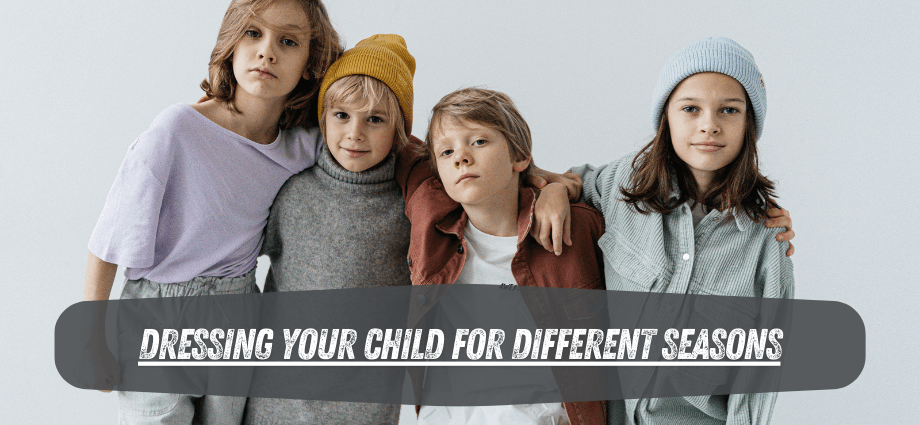
When it comes to dressing your child, the season plays a crucial role in determining what they wear. Choosing the right clothes ensures that your child stays comfortable and healthy, regardless of the weather. Dressing appropriately for the season helps protect your child from extreme temperatures—whether it’s the cold of winter, the heat of summer, or the fluctuating weather of spring and fall. This guide provides practical tips for dressing your child in each season to keep them safe and cozy throughout the year.
Understanding Seasonal Changes and Your Child’s Needs
Why Seasonal Clothing Matters
Clothing is essential for regulating body temperature and protecting your child from the elements. In winter, they need layers to keep warm, while in summer, light and breathable fabrics are crucial to help them stay cool. Dressing according to the season ensures that your child is neither overheated nor too cold, helping them stay comfortable and healthy.
Factors to Consider When Dressing Your Child
When dressing your child for any season, consider their age, activity level, and how sensitive they are to weather changes. Younger children, for example, often need more layers and softer fabrics. Active kids may require lighter layers that they can easily remove when they start moving around. Some children are more sensitive to temperature extremes, so you’ll need to be extra mindful of how you dress them based on their comfort level.
Dressing Your Child for Cold Weather

Essential Cold-Weather Layers
In cold weather, layering is key to maintaining warmth. Begin with a moisture-wicking base layer made of materials like merino wool or synthetic fabrics. This layer pulls sweat away from the skin to keep them dry. Next, add an insulating middle layer like fleece or down to trap body heat. Finally, protect them with a waterproof and windproof outer layer, such as a winter coat or jacket, to shield them from rain, snow, and cold winds.
Accessories for Extra Warmth
Accessories like hats, scarves, and gloves are vital for keeping your child warm during the winter. A snug-fitting hat helps retain body heat, as most heat is lost through the head. Mittens are ideal for younger children because they keep fingers together and provide more warmth. A soft scarf wrapped around the neck adds an extra layer of warmth. Don’t forget thick, warm socks to keep their feet comfortable in chilly temperatures.
Footwear for Cold Weather
Winter footwear is essential for keeping feet dry and warm. Opt for waterproof boots that are insulated and have a non-slip sole. The boots should be tall enough to keep snow from getting inside and should fit well—not too tight to restrict circulation and not too loose to cause discomfort. The right pair of boots will help protect your child from the cold and wet ground while they enjoy playing in the snow.
In cold weather, ensure that your child is properly layered from head to toe to prevent them from getting too cold or uncomfortable.
Dressing Your Child for Warm Weather
Lightweight Clothing Choices
During warmer months, it’s important to dress your child in lightweight fabrics that help keep them cool. Cotton and linen are excellent choices as they are breathable and soft on the skin. Opt for loose-fitting clothes that allow air to circulate around their body, keeping them cooler throughout the day. Clothes that are too tight can make your child feel uncomfortable, especially in the heat, so aim for a more relaxed fit to ensure they stay comfortable.
Sun Protection Clothing
Sun protection is equally as important as staying cool during the hot months. Choose clothing that has built-in UV protection to block harmful rays. A wide-brimmed hat helps keep the sun off your child’s face, neck, and ears, which are particularly vulnerable to sunburn. Sunglasses with UV protection are essential to protect their eyes from the harsh sun. Don’t forget to apply sunscreen on exposed skin areas to offer additional protection.
Footwear for Warm Weather
When it comes to summer footwear, choose sandals or breathable shoes that provide comfort without trapping too much heat. Opt for shoes made from materials like mesh or canvas, which allow the feet to breathe. Ensure that the shoes fit comfortably to avoid blisters or discomfort. Open-toe sandals are a great option for casual wear, but for activities like hiking or playing sports, make sure your child wears shoes that provide ample support and protection.
In warm weather, it’s important to balance sun protection with comfort, ensuring your child can enjoy outdoor activities without becoming overheated or sunburned.
Dressing Your Child for Transition Seasons (Spring & Fall)

Layering for Flexibility
Spring and fall often bring unpredictable weather. Layering is the best way to dress for these transitional seasons. Start with a light jacket or sweater that can be easily added or removed as the temperature fluctuates. A light scarf can also help protect against a chill when the weather cools down in the evening. By layering, you can adjust your child’s clothing throughout the day, keeping them comfortable whether the sun is shining or the temperature drops.
Waterproof Options for Rainy Days
Rain is common in both spring and fall, so it’s essential to prepare for wet weather. A waterproof jacket is a must-have item for keeping your child dry. Choose one that is lightweight yet durable, with breathable fabric to prevent overheating. Waterproof boots are also necessary to keep their feet dry while they play in puddles or walk through wet grass. A hat with a brim will keep rain from falling on their face, making it easier to see and stay dry.
Preparing for Temperature Fluctuations
The weather in spring and fall can change dramatically throughout the day. You may experience cool mornings followed by warm afternoons. Dressing in layers allows your child to add or remove clothing depending on the temperature. Soft cotton shirts or sweaters are ideal for daytime wear, while a lightweight jacket or coat can be added for cooler mornings and evenings. By being prepared for temperature fluctuations, your child can stay comfortable no matter what the weather brings.
For transition seasons, layering allows for easy adjustments, ensuring that your child can enjoy the outdoors regardless of sudden temperature changes.
Tips for Ensuring Comfort and Safety in Any Season
Checking for Comfort and Fit
No matter the season, the fit of your child’s clothes is crucial for their comfort. Clothing that is too tight can restrict movement and cause irritation, while clothing that is too loose may get in the way or pose a safety risk. Always check that shoes are the correct size and provide ample room for toes to move. Jackets, hats, and gloves should fit comfortably, ensuring your child can still move freely while staying warm.
Making Clothing Fun
Getting your child involved in choosing their clothes can make the process more enjoyable. Let them pick out items they like, whether it’s a favorite color or character on a t-shirt. Allowing them to express themselves through clothing can help make getting dressed an exciting part of their day. It also helps them feel more independent and confident in their clothing choices.
When your child feels good in their clothes, they are more likely to enjoy wearing them and engage in activities with enthusiasm.
Conclusion
Dressing your child according to the season is not just about style, but about comfort, safety, and well-being. Whether you’re preparing for the chill of winter, the heat of summer, or the unpredictable weather of spring and fall, the right clothing will keep your child comfortable and protected. By choosing layers, breathable fabrics, and weather-appropriate accessories, you can help your child enjoy every season without the discomfort of being too hot, too cold, or unprepared for the elements.