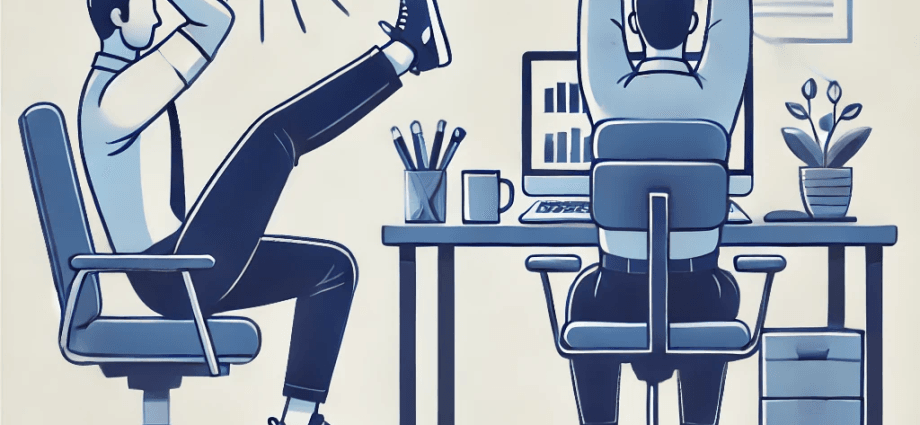
Working a desk job can make staying active a challenge, especially when long hours are spent sitting. However, a sedentary lifestyle can lead to various health issues like back pain, poor posture, and an increased risk of chronic diseases such as heart disease and diabetes. Fortunately, incorporating simple activities into your workday can help improve both physical and mental well-being. In this article, we explore how you can stay active while working at a desk without disrupting your productivity.
Why Staying Active During Desk Jobs is Important
The Health Risks of Sitting for Long Periods
Sitting for long periods can have serious health consequences, including poor posture, back pain, and an increased risk of chronic conditions like heart disease, diabetes, and obesity. Prolonged sitting slows circulation, which can lead to muscle stiffness and joint pain. It also negatively affects metabolism, increasing the risk of weight gain and poor cardiovascular health. Studies show that sitting for extended hours without movement can shorten your lifespan and negatively impact overall health. To mitigate these risks, it’s important to incorporate movement into your day and take regular breaks from sitting.
Benefits of Staying Active
Staying active during the day offers numerous benefits for both physical and mental health. Regular movement helps improve circulation, boost energy, and maintain a healthy weight. It also reduces the risk of developing chronic conditions such as heart disease, diabetes, and high blood pressure. Additionally, staying active can enhance mental clarity, improve mood, and reduce stress levels by releasing endorphins, the body’s natural mood boosters. Incorporating physical activity into your routine helps maintain overall well-being and increases productivity, making it easier to stay focused and feel energized throughout the day.
Practical Ways to Stay Active at Your Desk
Desk Stretches and Exercises
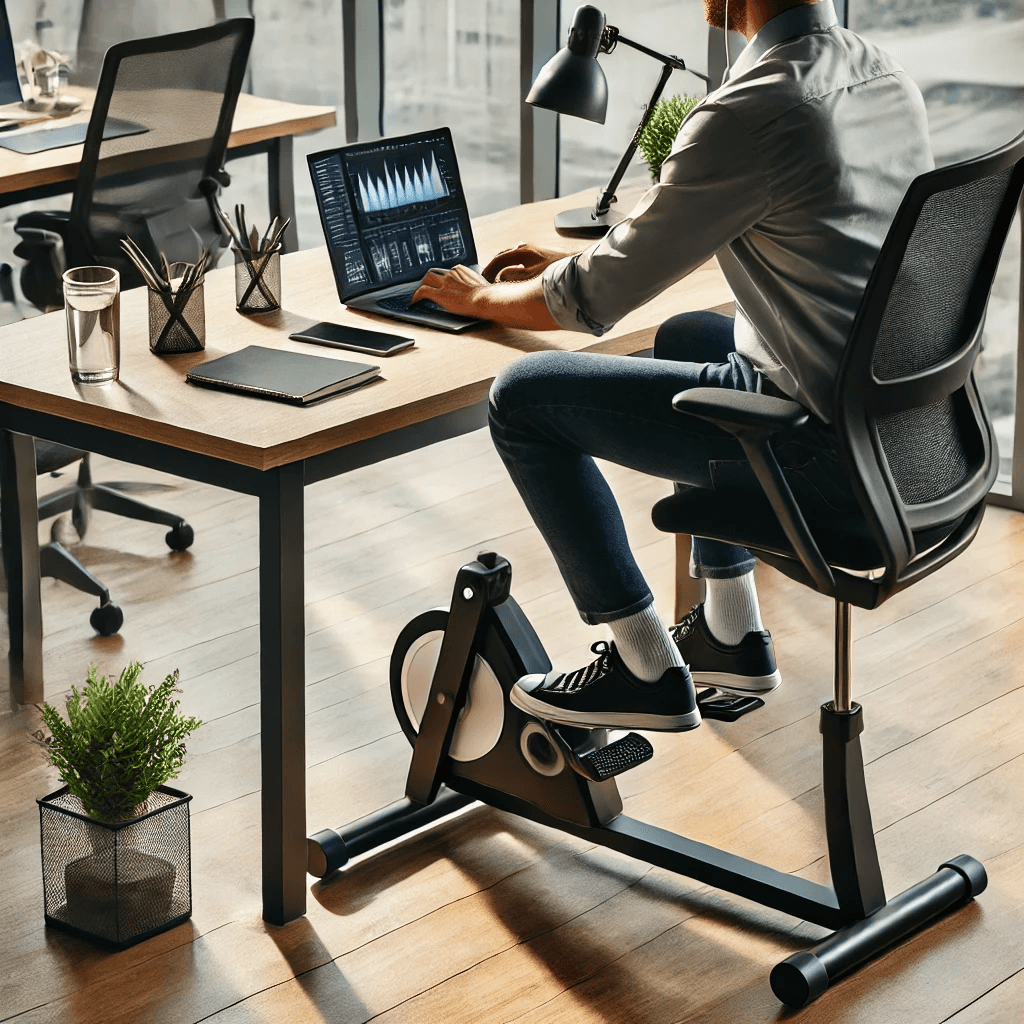
Incorporating simple stretches and exercises into your day can help reduce stiffness and improve flexibility. These can be done at your desk with minimal disruption to your work. Stretching your neck, shoulders, and legs can release tension and increase blood flow to muscles, helping you feel more comfortable and less fatigued.
- Neck rolls: Gently roll your neck in a circular motion to relieve tension.
- Seated leg raises: While seated, raise one leg at a time to strengthen your muscles.
- Shoulder shrugs: Lift your shoulders up to your ears and release to relax neck tension.
These simple movements will help alleviate the physical strain caused by long periods of sitting, making it easier to stay comfortable while working.
Standing Desk Options
If possible, consider using a standing desk or a convertible desk that allows you to alternate between sitting and standing. Standing desks have gained popularity because they encourage movement and better posture. By standing for part of the day, you reduce the negative effects of sitting and activate muscles that are often neglected while sitting.
- Adjustable desks: Use a desk that can easily convert between sitting and standing positions.
- Posture improvements: Standing encourages better posture and reduces strain on the spine.
- Energy boost: Standing helps improve circulation and can increase alertness.
Using a standing desk for part of the day helps reduce back pain and increases your energy, which can improve your productivity.
Foot and Leg Movements
Even while sitting, there are simple movements you can do to improve circulation and prevent stiffness. Foot taps, calf raises, and knee extensions help keep the blood flowing, reducing the risk of developing blood clots or leg discomfort.
- Foot taps: Tap your feet to increase circulation in your legs.
- Calf raises: Lift your heels while seated to engage your leg muscles.
- Knee extensions: Stretch and extend your legs to keep your muscles active.
Incorporating these movements into your routine helps reduce the negative effects of sitting for too long, improving circulation and comfort.
Incorporating Activity into Your Workday
Take Regular Breaks
Taking short, regular breaks is one of the easiest ways to stay active during the day. Stand up, walk around, or stretch for a few minutes every hour to combat stiffness and fatigue. These breaks will help you stay refreshed and focused for longer periods.
- Short walks: Take a brief walk around your office or home.
- Stretch breaks: Use a timer to remind you to stretch every 30-60 minutes.
- Quick physical activities: Do light exercises, such as jumping jacks or squats, during your break.
Regular breaks not only prevent physical discomfort but also help maintain your productivity and focus throughout the day.
Lunchtime Workouts
Instead of spending your lunch break sitting down, try using the time to get active. Go for a walk, do a quick workout, or practice some light stretches. Even just 10-15 minutes of physical activity during the day can boost your energy, improve your mood, and help reduce stress.
- Brisk walk: Take a 10-minute walk outside to get fresh air and boost energy.
- Quick workout: Do a few bodyweight exercises like squats or lunges.
- Stretching: Incorporate stretches to relax your muscles and improve flexibility.
A short workout or walk during lunchtime can re-energize you for the second half of the workday and reduce the effects of prolonged sitting.
Use Technology to Remind You
Use technology to your advantage by setting reminders to move every 30 to 60 minutes. There are apps and timers designed to remind you to stand up, stretch, or take a short break. This simple practice helps you stay accountable and consistent with your movement throughout the day.
- Movement apps: Use apps like Stand Up! or Stretchly to remind you to take breaks.
- Timers: Set hourly reminders on your phone to stand or move.
- Activity trackers: Wearable devices like Fitbits can help track your activity levels and encourage movement.
Technology can serve as a helpful tool to stay active, ensuring that you don’t forget to prioritize movement during the workday.
Conclusion
Staying active during desk jobs is essential for maintaining physical health and well-being. Incorporating small changes like desk exercises, taking breaks, and using standing desks can significantly reduce the risks of prolonged sitting. By making these simple adjustments, you can improve your posture, boost energy levels, and reduce the likelihood of developing chronic conditions associated with sedentary lifestyles. Start incorporating these tips into your routine today to maintain a healthier, more active workday.